
Sony Patents a Dual-Sensitivity Camera Sensor That Captures Bright and Dark Detail at Once
One of the hardest problems in photography is capturing a scene where some parts are blinding-bright and others are nearly pitch-dark — all at the same time. Sony's latest sensor patent tackles that by building two different light detectors into every single pixel.
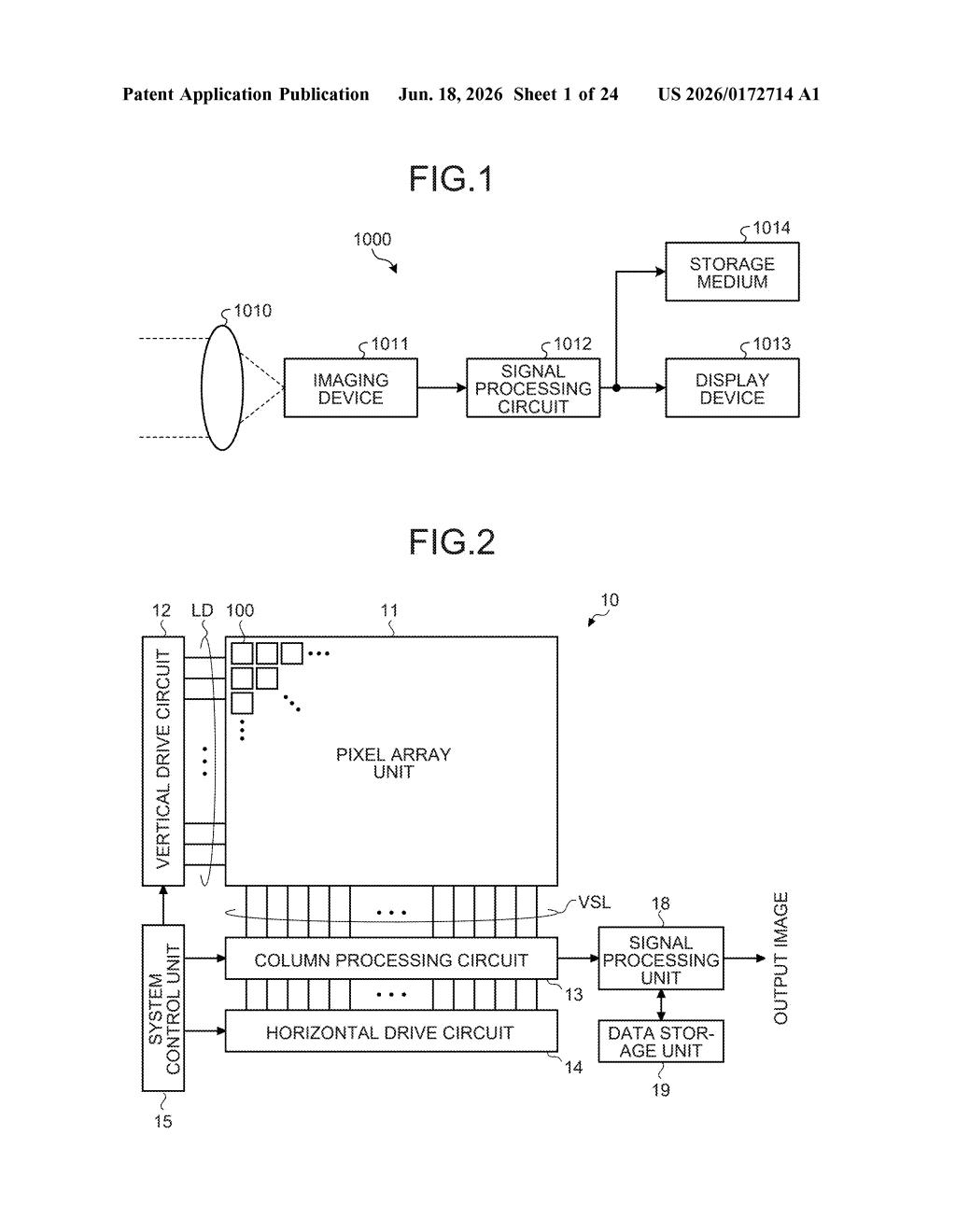
What Sony's two-detector-per-pixel camera sensor actually does
Imagine trying to photograph someone standing in front of a sun-drenched window. Your phone either blows out the bright background into white or leaves the person's face in shadow — it can't hold both extremes in one shot. That's called a dynamic range problem, and it's been annoying photographers since cameras were invented.
Sony's patent describes a sensor where each pixel contains two light-catching elements instead of one. One element is highly sensitive and picks up fine detail in dark areas. The other is deliberately less sensitive, so it doesn't get overwhelmed by very bright areas. Both are taking in light at the same time during a single exposure.
There's also a small shared reservoir — a tiny electrical capacitor — between pixels that catches any overflow of electrical charge when the bright-sensitive detector fills up. The result is a much wider range of brightness levels captured in one image, without needing to stitch together multiple shots taken at different exposures.
How the dual photodiode and overflow capacitor work together
The patent describes an imaging sensor architecture built around pixels that each contain two distinct photodiodes — semiconductor devices that convert incoming light into electrical charge.
- First light receiving element: A high-sensitivity photodiode tuned to capture as much light as possible, making it ideal for dark or low-contrast parts of a scene.
- Second light receiving element: A lower-sensitivity photodiode in the same pixel that doesn't saturate (fill up and clip) under bright light, preserving detail in highlights.
- Interpixel capacitance: A shared electrical storage element positioned between pixels that catches charge overflowing from either photodiode during the exposure window — think of it as a small overflow tank that prevents charge from simply being lost.
The key idea is that all of this happens simultaneously within a single exposure period, rather than requiring the sensor to take multiple sequential shots at different brightness settings (as in today's HDR modes). By reading all three charge pools — the two photodiodes plus the shared capacitor — the sensor can reconstruct a much wider brightness range from a single frame.
What this means for cameras in tricky lighting conditions
High dynamic range imaging today mostly works by taking several photos in rapid succession at different shutter speeds and merging them in software. That approach introduces motion blur or ghosting whenever anything in the scene moves. A sensor that captures wide dynamic range in a single exposure eliminates that problem entirely, which matters enormously for video, sports photography, and security cameras.
Sony is one of the world's largest suppliers of image sensors — its chips appear in cameras from Apple, Google, and many others. A sensor architecture like this, if it moves into production, could make its way into smartphones, professional cameras, and automotive imaging systems. For you as a user, the practical outcome would be photos and videos that look much closer to what your eyes actually saw, without the current limitations of multi-shot HDR.
This is genuine image-sensor engineering, not a software trick. The appeal of capturing true wide dynamic range in a single frame — without ghosting artifacts — is real and well-understood in the industry. That said, dual-photodiode pixel designs are a known research direction, so the novelty here comes down to the specific overflow-capacitor arrangement and how Sony implements the sensitivity ratio, details that will determine whether this patent holds up.
There are more where this came from
We read every patent application Big Tech publishes and send you the ones worth knowing. Plain English, free, every week.
Want this weekly breakdown for a company we don't cover? Patentlyze Pro →