
Sony Patents a System to Tell Any Screen How to Display Vivid, High-Contrast Video
Getting HDR video to look right on any screen is harder than it sounds. Sony is patenting a method that bakes the instructions for reading brightness data directly into the video stream itself, so every device down the chain knows exactly how to decode it.
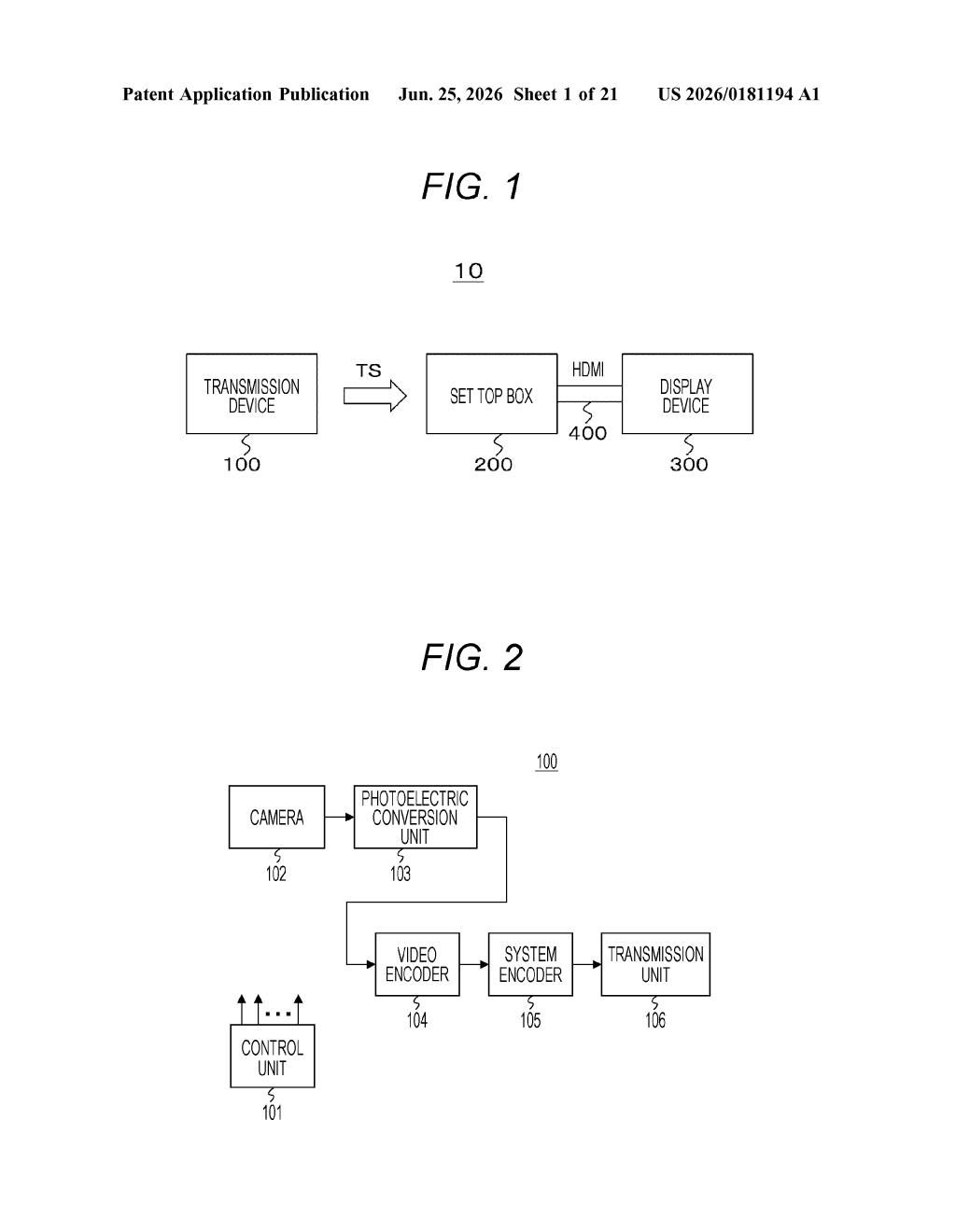
What Sony's HDR conversion labeling actually does
Imagine you send a photo taken in RAW format to a friend, but their photo app has no idea what color profile you used. The image looks washed out or over-saturated. Something similar happens with HDR video: a camera or broadcaster records rich brightness detail, but if the TV receiving it doesn't know which brightness curve was used, the picture can look wrong.
Sony's patent tackles this by embedding a small label, a piece of metadata called "type information," directly into the video stream or its packaging. That label tells any receiving device exactly which brightness-conversion method was applied, so it can reverse the process accurately.
Importantly, the system is designed to stay compatible with older non-HDR displays. The HDR curve used is chosen to work alongside standard gamma curves that regular TVs have always used, which means content doesn't have to be re-encoded for different device types.
How the conversion-type tag travels inside the video stream
The patent describes a paired transmitter-and-receiver system built around a concept called photoelectric conversion characteristics (the math that transforms real-world light into digital video signal) and its reverse, electro-optical conversion (turning those digital values back into light on a screen).
On the sending side, the device applies a specific HDR tone curve to the raw video, then packages a "type information" tag identifying which curve was used. That tag is inserted into one of two places:
- Inside the video stream layer (the encoded picture data itself)
- Inside the container layer (the wrapper format, like an MPEG transport stream, that carries the video)
On the receiving side, a device reads that tag and applies the matching reverse curve to reconstruct brightness accurately, regardless of how bright or dim the display itself is. The patent explicitly notes that the conversion type is determined independently of display luminance, meaning the metadata describes the content's encoding, not a target screen spec.
The HDR curve is also specified to maintain backward compatibility with standard dynamic range gamma curves, so older equipment can still process the signal without breaking.
What this means for HDR compatibility across TVs and devices
HDR has been a mess of competing formats (HDR10, HLG, Dolby Vision) partly because devices disagree on how brightness data is encoded and who is responsible for decoding it. A standardized in-stream label that travels with the content, rather than being negotiated separately between devices, would reduce that guesswork.
For broadcasters, streaming services, and TV makers, a reliable tagging layer means fewer edge cases where HDR content displays incorrectly. For you as a viewer, it is the kind of invisible plumbing fix that stops your expensive 4K TV from occasionally showing HDR movies that look flat or blown-out because the handshake between source and display went wrong.
This is deep broadcast-infrastructure work, not a consumer-facing feature anyone will notice by name. But Sony sits at both ends of the video chain, making cameras, broadcast equipment, and televisions, which means this kind of metadata standardization is exactly the sort of thing it has real incentive to push through industry bodies. Worth watching if you follow AV or broadcast standards, otherwise safely ignorable.
There are more where this came from
We read every patent application Big Tech publishes and send you the ones worth knowing. Plain English, free, every week.
Want this weekly breakdown for a company we don't cover? Patentlyze Pro →