
IBM Patents a Self-Checking Method to Train AI on Image Questions
IBM has filed a patent for a training pipeline that teaches an AI to answer questions about images by only feeding it practice questions it already knows the correct answer to. The twist: the system generates and verifies those questions automatically, without humans in the loop.
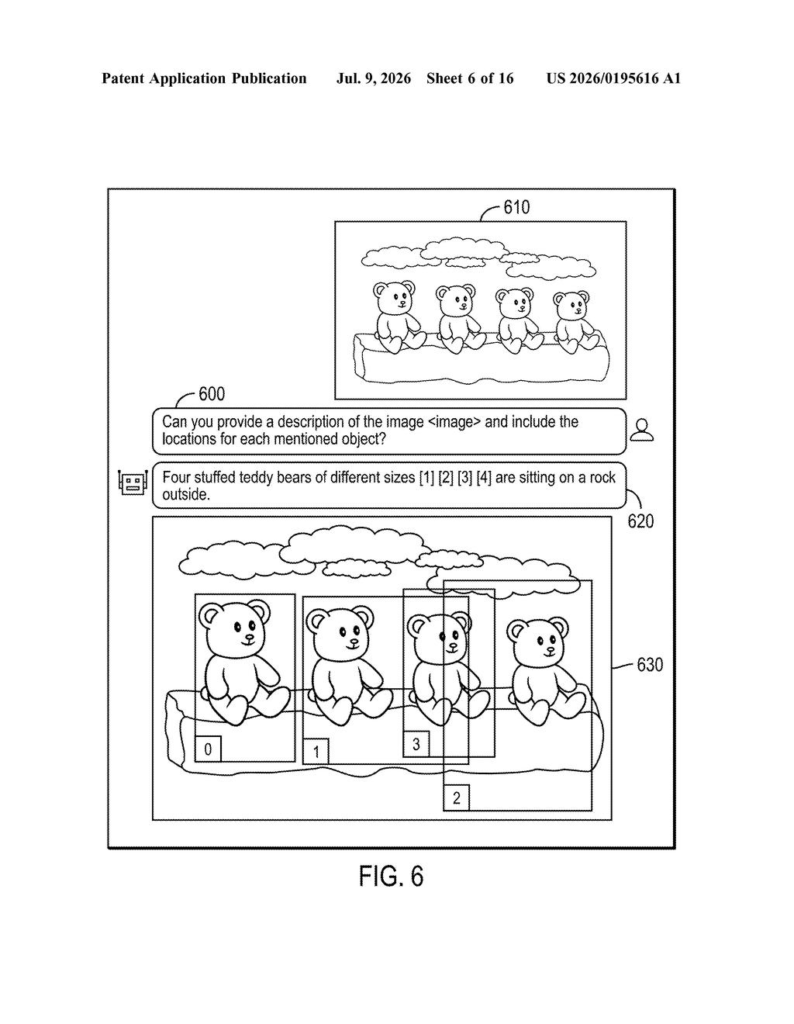
How IBM's image-training AI checks its own homework
Imagine you're studying for an exam, but instead of using every practice question in the book, you only keep the ones where you can actually confirm the answer is right. IBM's patent applies that same idea to training AI.
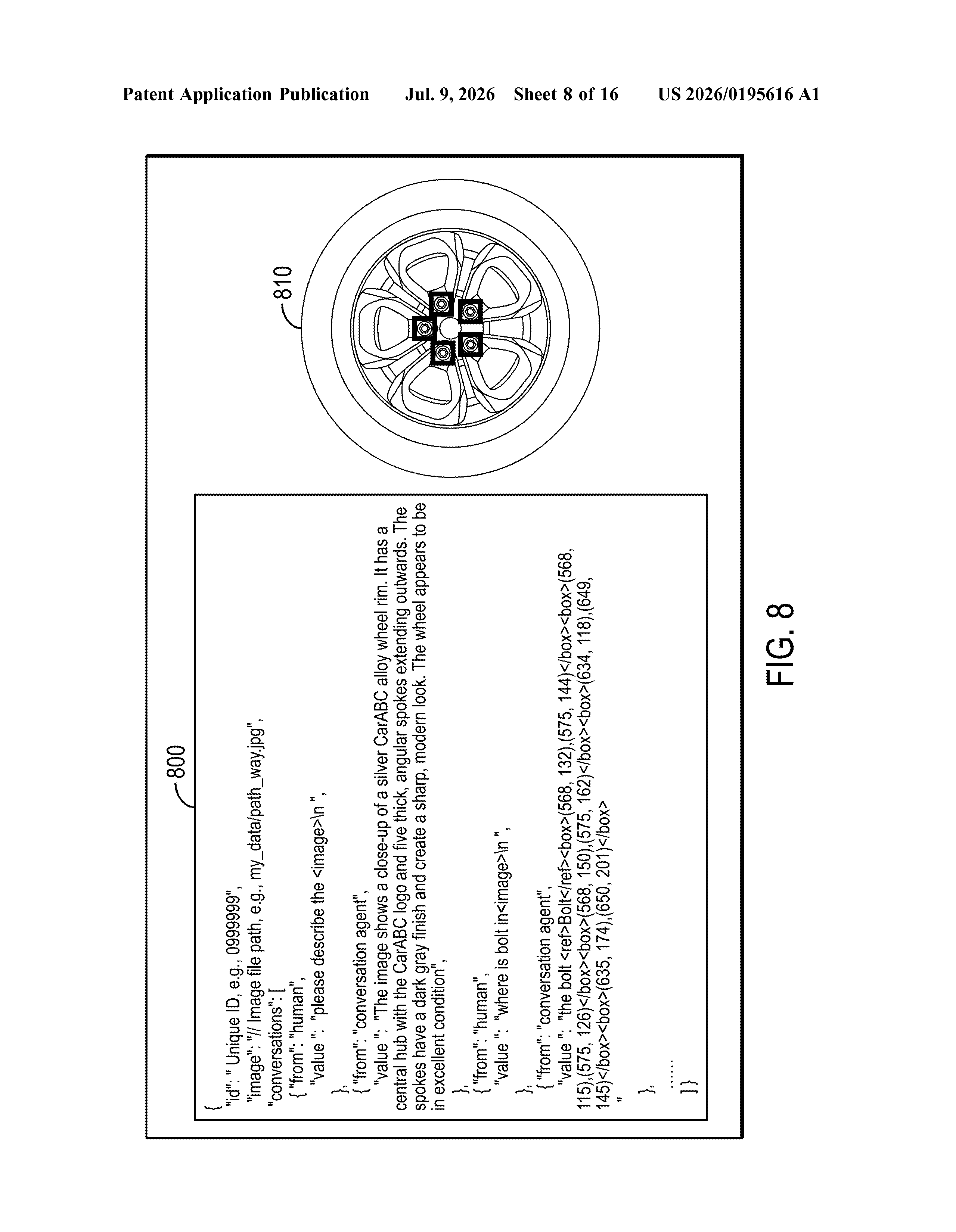
The system starts by looking at an image and pulling out everything it can find: a general description, a list of objects, where those objects appear, and any text visible in the picture. From all of that, it generates a set of practice questions and answers. Then it checks which answers are actually correct, and throws out the ones it can't verify.
Only the confirmed, accurate question-and-answer pairs get used to train the AI. After that, the AI is ready to field real questions from real users about images it has studied, and return answers it can stand behind.
How the system filters bad Q&A pairs before training
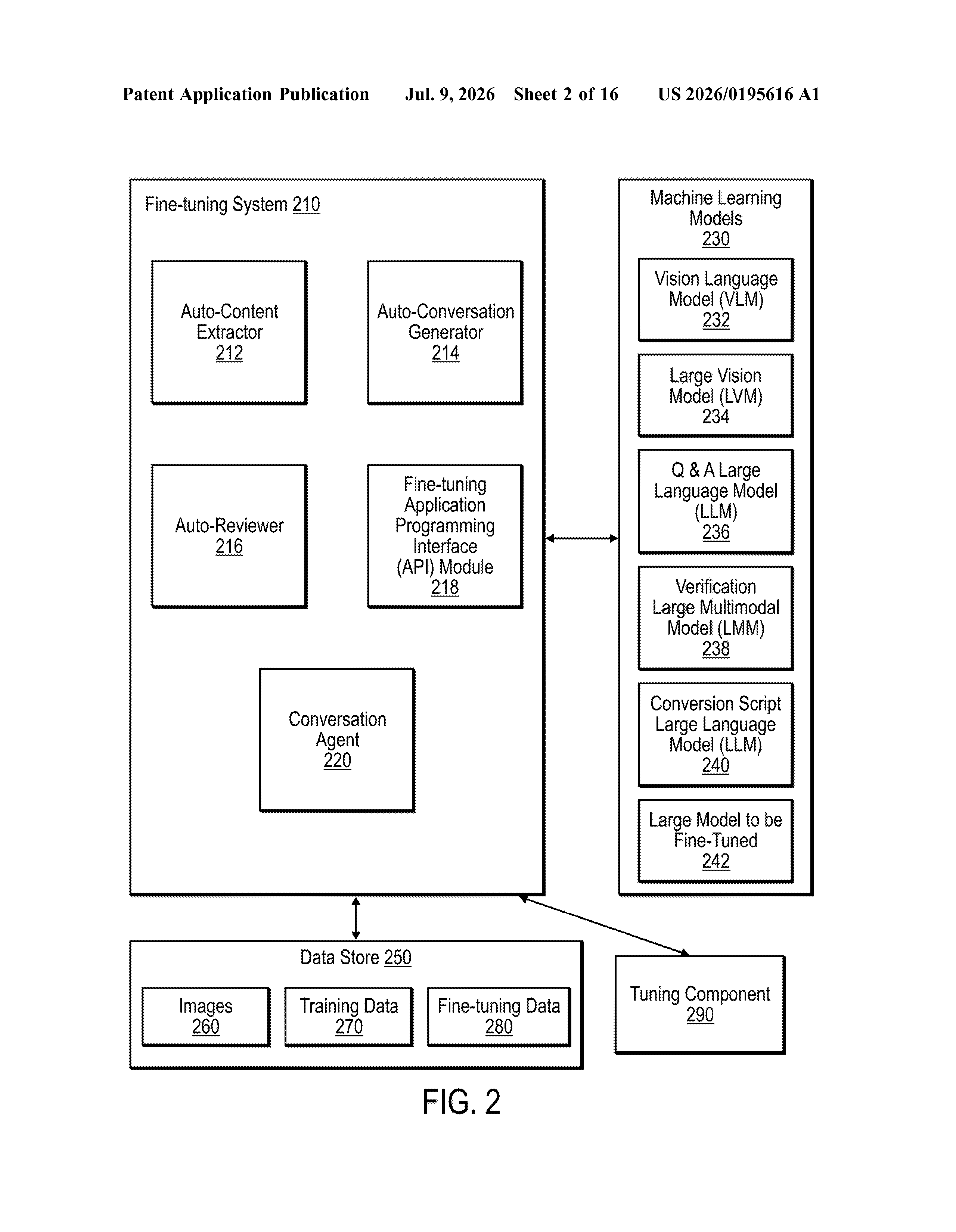
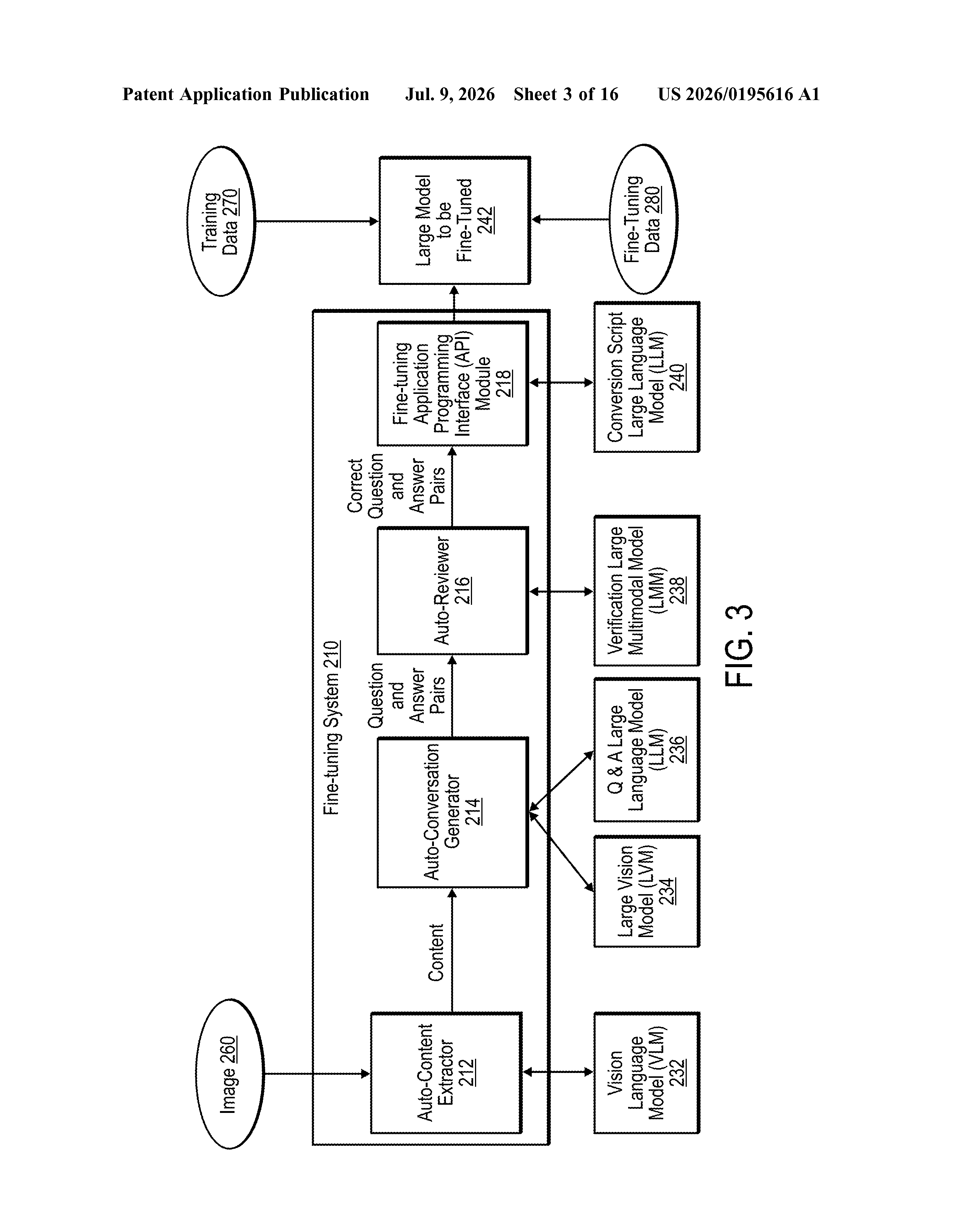
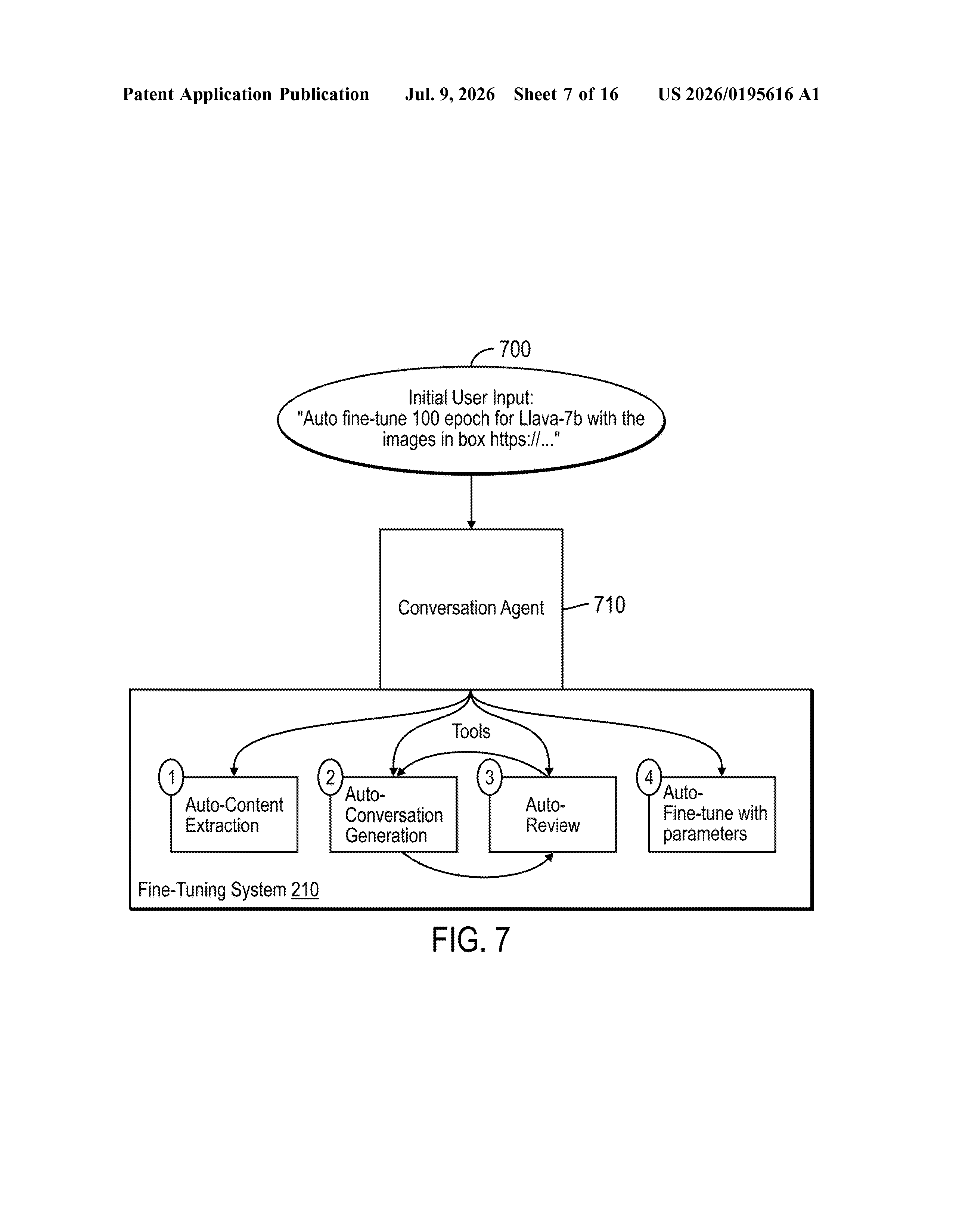
The patent describes a pipeline with several distinct stages:
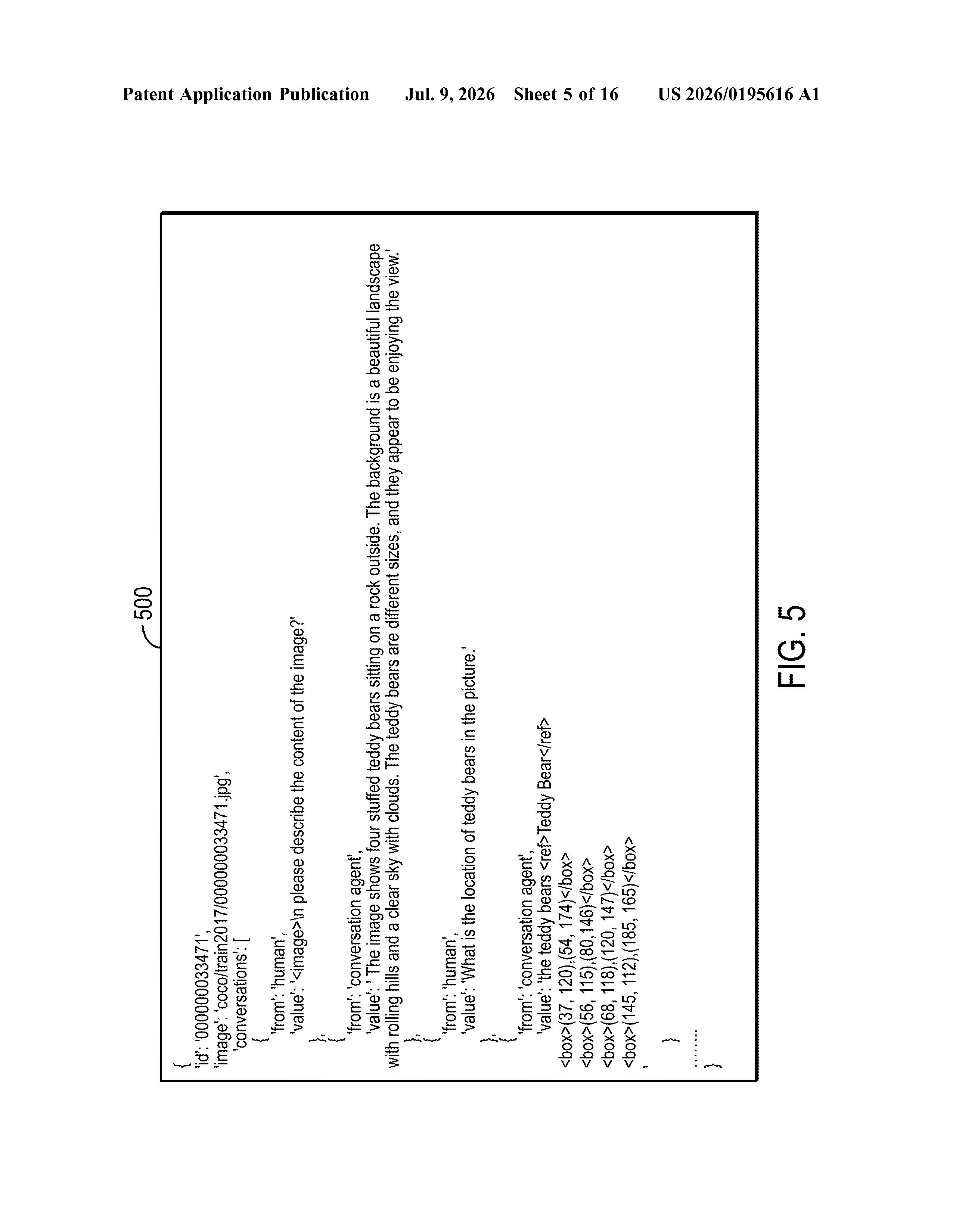
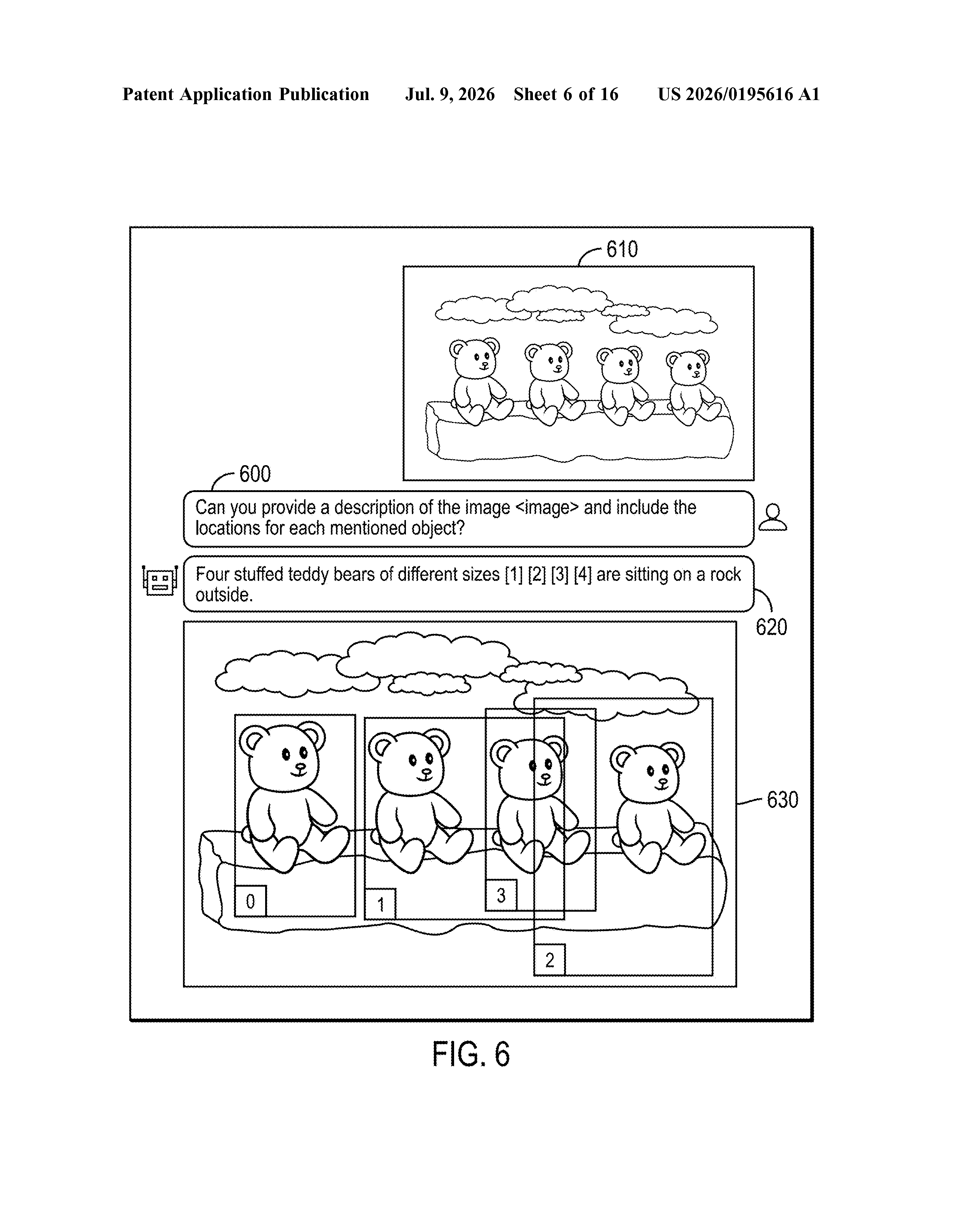
- Content extraction: The system analyzes an image and pulls out structured information, including a plain-language summary, a list of detected objects, the spatial location of each object, and any readable text in the image (think signs, labels, or captions).
- Q&A generation: From that structured content, the system automatically generates question-and-answer pairs. These are essentially synthetic training examples built from what the image actually contains.
- Answer verification: The system identifies which generated answers are actually correct, filtering out any unreliable or wrong pairs before they can corrupt the training data.
- Fine-tuning: The validated subset of Q&A pairs is used to fine-tune a large model (the patent's term for a large language or multimodal AI model). Fine-tuning means adjusting an already-trained model's behavior using a smaller, targeted dataset rather than training from scratch.
Once fine-tuned, the model accepts user questions and returns answers drawn from what it learned during that image-specific training run. The key engineering claim is that by filtering out incorrect pairs before training, the model avoids learning from bad examples, which is a common failure point in automated training pipelines.
What this means for AI systems trained on visual data
Businesses that need AI to interpret visual documents, like warehouse inventory systems, insurance claim photos, or medical imaging workflows, typically rely on humans to label training data. That's slow and expensive. IBM's approach tries to automate that labeling step by having the system generate and verify its own training data from images, which could dramatically cut the cost of building specialized AI for visual question-answering.
The quality-control step is the meaningful part here. Many automated training approaches simply dump generated data into the model and hope for the best. Filtering for correct answers before training is a straightforward idea, but it addresses a real problem: AI models trained on noisy or wrong data tend to confidently produce wrong answers.
This is a competent, incremental improvement to a well-known problem in AI training: garbage in, garbage out. The answer-verification filter is the only genuinely interesting piece; the rest is standard fine-tuning pipeline work. IBM is building real infrastructure for enterprise visual AI here, but this patent won't turn heads outside of teams already working on document or image understanding systems.
Get our take in your Top Stories
Liked this breakdown? Add Patentlyze as a preferred source on Google, and our plain-English take shows up more often in your Top Stories the next time IBM patent news breaks.
There are more where this came from
We read every patent application Big Tech publishes and send you the ones worth knowing. Plain English, free, every week.
The drawings
16 drawing sheets from US 2026/0195616 A1 · click any drawing to enlarge
Want this weekly breakdown for a company we don't cover? Patentlyze Pro →