
Google Patents a Way to Reshape Ads So They Fit Any Webpage's Look
An ad that looks like it grew right out of the page it's sitting on sounds like a designer's pipe dream, but Google has patented a system that reshapes, recolors, and refills ads automatically to match whatever site they land on.
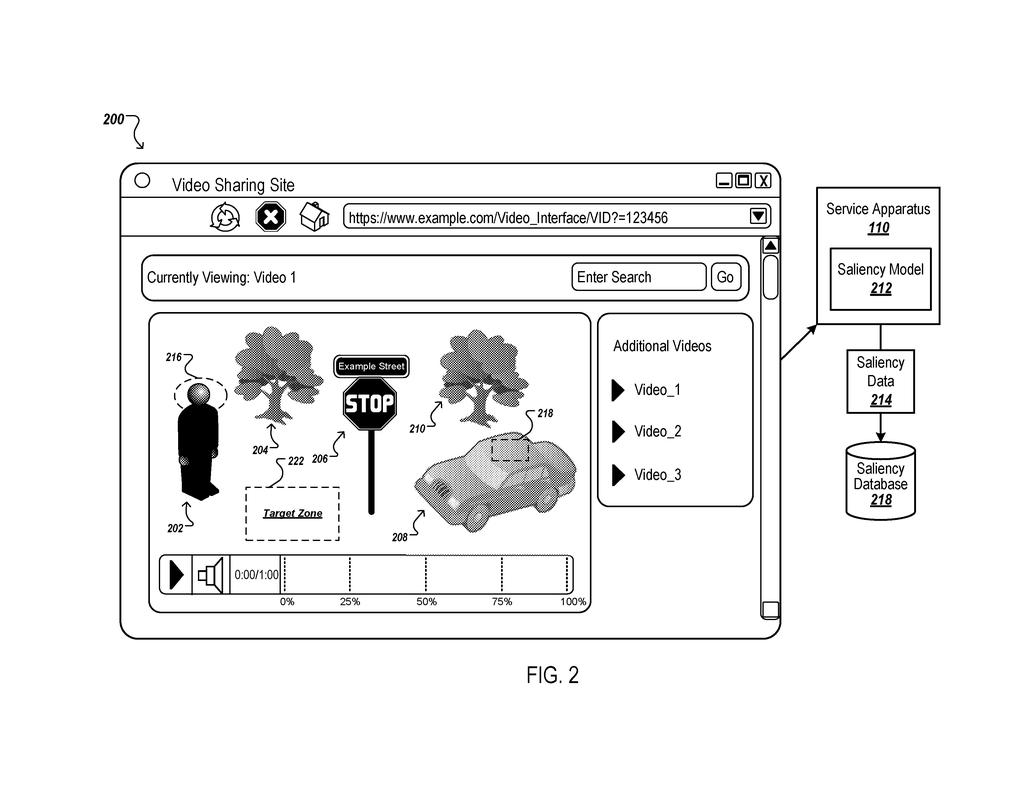
What Google's ad-blending system actually does to web pages
A website loads and somewhere on the page there's a slot reserved for an ad. That slot is a weird shape, the ad is a different shape, and the colors clash. You end up with a clunky box that sticks out like a sore thumb.
Google's new patent describes a system that measures the available slot, figures out what the page around it looks like (fonts, colors, overall style), and then reshapes the ad itself to fit. If the reshaped ad doesn't fill the whole slot, the system uses an AI model to generate filler content that bridges the gap, blending the ad into the surrounding page design.
It also scans the page for the most important areas, like headlines or product images the site's publisher cares about, and makes sure the ad never covers them. The result is an ad that looks less like an intruder and more like something that belongs on the page.
… modifying a shape of the digital component to a target shape that is different from an original shape of the digital component, wherein the target shape is sized to fit within the target zone such that less than all of the target zone is occupied by the digital component having the target shape …
Translation: The system reshapes the ad so it fits neatly into an available space on the page.
How Google reshapes, fills, and recolors an ad on the fly
The system starts by receiving a digital component (an ad built from a content provider's text and images) and identifying a target zone inside a webpage where that ad should appear.
It then measures the target zone's dimensions and reshapes the ad to a new "target shape" that fits inside the zone, while leaving some space around it intentionally unfilled. A deep learning model (an AI trained on large amounts of visual data) is used to generate content to fill those leftover areas, so the slot doesn't look half-empty.
Separately, a saliency model (an AI that predicts which parts of a page a human eye is most likely to notice, like a bold headline or a product photo) scans the host page. The system uses those results to build a list of allowed modifications that won't accidentally cover the page's important elements.
Finally, the system reads the host page's visual characteristics, things like color palette, font style, and layout tone, and applies those as visual tweaks to the ad before sending it to the user's browser. The ad arrives already adapted to its surroundings.
A saliency model is applied to an electronic document to identify salient areas in the electronic document. A set of modifications that do not result in the salient areas in the electronic document being overlapped are constructed.
Translation: It scans the webpage first to make sure the ad does not cover up any important content.
What this means for ads you see across the web
For everyday readers, this is about ads that feel less jarring. A well-matched ad is easier to ignore if you want to, and easier to engage with if the content happens to be relevant. That's a better experience than a fluorescent banner pasted over content you were trying to read.
For the ad industry, the implications are bigger. Google's interest in automated ad presentation shapes how billions of ad impressions are displayed every day. A patent this broad could give Google significant control over how third-party ads are visually adapted across its ad network, which touches an enormous share of the web.
Google files its 17th patent in the AI recommendation filings we've tracked since May, adding to a run that includes one on privacy-safe ad targeting and one on heart-monitor rhythm reading.
Claim 1 here is genuinely broad. It covers any method that reshapes an ad, generates AI fill content for the leftover space, and serves the result to a browser. There's no restriction to a particular platform, device type, or ad format. That scope, if the claim survives examination, would cover a wide range of automated ad-layout tools.
What the claim doesn't do is say much about quality. The AI-generated fill content could be excellent or it could be visually awkward. Nothing in the claim text requires the fill to actually look good, only that it occupies the right area. That gap between the legal claim and the user experience is where a lot of the real-world outcome will live.
From an editorial standpoint, this is a filing that matters more because of who filed it than because of what it technically describes. Automated ad reshaping has existed in various forms for years. The question is whether the specific combination here, shape modification plus AI fill plus saliency-aware placement avoidance, is distinct enough to hold up. That's a question for patent examiners, not readers, but it's worth knowing this claim is drawn wide.
There are more where this came from
We read every patent application Big Tech publishes and send you the ones worth knowing. Plain English, free, every week.
The drawings
4 drawing sheets from US 2026/0289874 A1 · click any drawing to enlarge


Want this weekly breakdown for a company we don't cover? Patentlyze Pro →
Be the first to weigh in