
Meta's New Patent Lets Its AR Glasses Identify Anything You Look At
Point your eyes at something, and Meta's glasses could instantly tell you what it is — no button, no voice command, just a look.
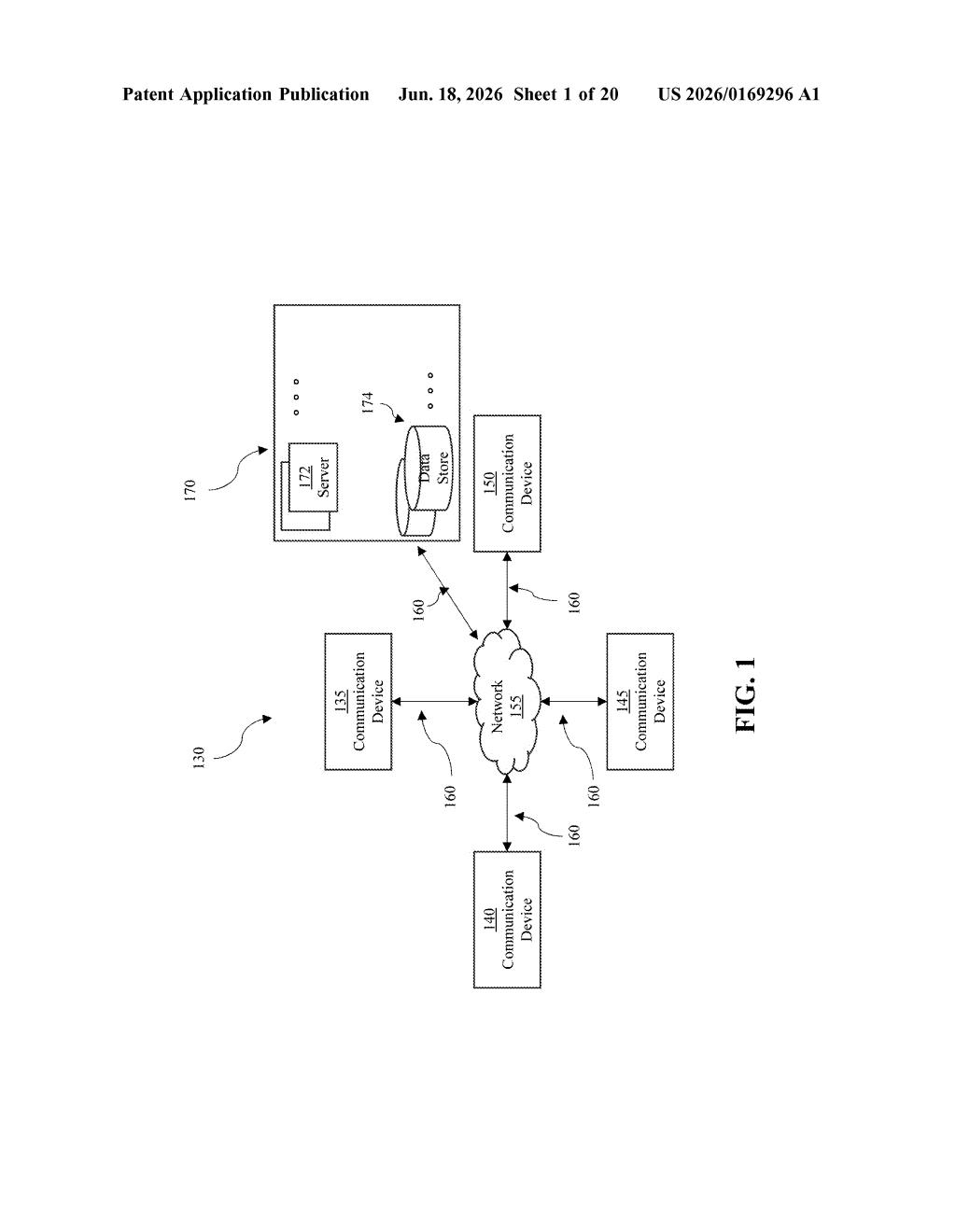
What Meta's gaze-powered object lookup actually does
Imagine you're walking through a store and you spot a piece of furniture you like, but you can't find a label. What if your glasses noticed where your eyes were pointing and automatically pulled up the name, price, or material — without you doing anything?
That's the core idea in this Meta patent. The system tracks your eye movements to figure out what you're focusing on, takes a photo of that specific object, and then uses AI to strip away everything else in the frame — background clutter, nearby objects, other people — so it can analyze just the thing you're interested in.
Once the AI has that clean image, it can identify the object and surface useful information about it. Think of it like Google Lens, but triggered by where your eyes go, not by a deliberate tap on your phone screen.
How the eye-tracking and ML isolation pipeline works
The patent describes a pipeline with several steps that work together:
- Gaze detection: The device tracks the movement of the user's eye to determine what they're looking at among multiple objects in a scene.
- Image capture: Once the system identifies an object of interest, it captures a photo — the patent calls it a "first image" — of the relevant area.
- Bounding region: The system draws a box (a "bounding region") around the target object to isolate it within the frame.
- ML-based cleanup: A machine learning model removes pixel data belonging to other objects inside that bounding box — essentially erasing background clutter — to produce a cleaner "second image" focused on just the object of interest.
- Information retrieval: Based on that cleaned-up image, the system determines facts or details about the object.
The key differentiator here is the cleanup step. Real-world scenes are messy — objects overlap, crowd each other, and share visual space. By actively stripping out irrelevant data before analysis, the system gives its object-recognition AI a much cleaner input, which should improve accuracy compared to analyzing a raw, cluttered photo.
What this means for Meta's Ray-Ban glasses ambitions
Meta has been building toward always-on smart glasses with its Ray-Ban Meta line, and eye-tracking is widely expected to be part of its next generation of hardware. A system that lets the glasses silently identify whatever you're looking at — products, plants, landmarks, text on a sign — would be a meaningful step toward making those glasses genuinely useful in daily life, not just for photos and calls.
This also has real implications for privacy and data collection. Your gaze tells a company a lot about what you find interesting, and a system that logs every object you look at long enough to trigger identification is also a system that builds a detailed record of your attention. That tension between utility and surveillance will be central to how products like this are received.
This is a practical, well-scoped patent that addresses a real problem: object recognition struggles with cluttered scenes, and using eye-tracking to both trigger and focus the analysis is a logical fix. It's not a moonshot idea — it's the kind of engineering detail that actually makes AR glasses usable in real environments rather than just demo rooms.
There are more where this came from
We read every patent application Big Tech publishes and send you the ones worth knowing. Plain English, free, every week.
Want this weekly breakdown for a company we don't cover? Patentlyze Pro →