
Microsoft Patents Technology That Lets Businesses Automate Processes Without Writing Code
Microsoft is patenting a method that lets an AI model design, plan, and run a multi-step business workflow on its own, no programming required. You describe what you need, and the AI figures out the steps.
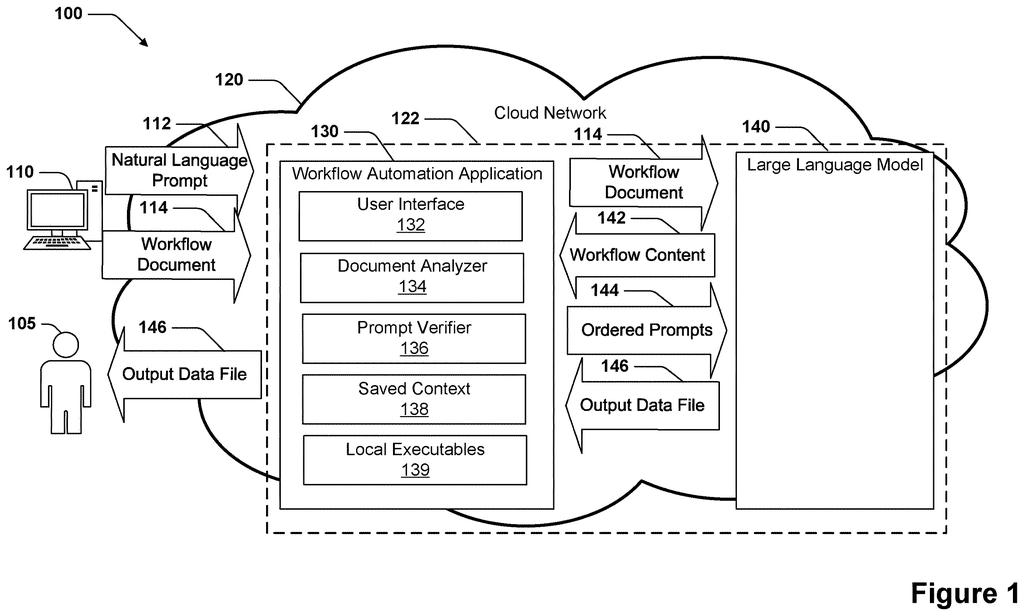
What Microsoft's no-code AI workflow system actually does
You're a business analyst sitting in front of a spreadsheet full of customer data, and someone asks you to build an automated process that cleans it up, routes approvals, and sends confirmations. Normally, that means calling in a developer. Microsoft's patent describes a system where you hand that job to an AI instead.
The idea is straightforward: a workflow tool sends a series of instructions (called prompts) to a large language model, the same kind of AI that powers chatbots. The first instruction tells the AI to convert your data into a format it can work with. The second instruction tells the AI to map out all the steps the workflow needs. The third tells it to figure out the actual business rules for each step. Then the AI runs the whole thing and reports back when it's done.
No code. No developer. Just instructions. The system is meant to sit inside a workflow automation product, so the AI does the configuration work that used to require a technical specialist.
sending a first prompt to an artificial intelligence model, the first prompt instructing the artificial intelligence model to transform a first input data source in a first format and output a transformed data source in a second format; …
Translation: The system starts by asking the AI to convert raw data into a standard format.
How the AI turns raw data into a running workflow
The patent describes a three-prompt pipeline where a workflow automation application acts as a coordinator between a user's data and a large language model (LLM, the same category of AI behind tools like ChatGPT).
- Prompt 1 (Format conversion): The application sends the AI a raw data source in whatever format it arrived in (say, a CSV file or a JSON export) and asks the AI to transform it into a standardized second format that the rest of the workflow can operate on.
- Prompt 2 (Workflow definition): The application then asks the AI to design a multi-step workflow based on that now-formatted data. The AI outputs a plan: step A, then step B, then step C, and so on.
- Prompt 3 (Business logic): For each step in that plan, the application sends another prompt asking the AI to define the actual rules (for example, "if the order value exceeds $500, flag it for manager review"). The AI fills in those decision rules itself.
Finally, the AI executes each step and returns output confirming the workflow ran. The patent calls this approach declarative and code-less, meaning the user states what they want rather than writing instructions for how to do it. The technical heavy lifting is offloaded entirely to the AI model.
The workflow automation application sends a third prompt to the LLM to define execution of business logic for each step of the workflow.
Translation: It then instructs the AI to handle the specific business rules required for each task.
What this means for workers who build business processes
Business workflow tools like Microsoft Power Automate already let non-developers build automated processes, but they still require users to drag and drop the right connectors, configure logic rules, and understand how data flows between steps. This patent describes a system that hands even those configuration decisions to an AI, which could lower the skill floor further.
For your organization, that could mean faster process setup and fewer bottlenecks waiting on technical staff. The risk is that the AI-defined logic may not behave exactly as intended without careful review, so human oversight of the AI's output still matters, even if writing the steps yourself no longer does.
Microsoft's 15th filing we've tracked since July in our AI agents acting for you watchlist follows a three-AI security fix system and AI hunting better deals.
Claim 1 covers any method that sends three instructions to an AI model in sequence: reformat incoming data, lay out the steps of a workflow, and execute the business logic for each step. No specific industry, data type, or AI system is named, which means the claim reaches any software that lets a person describe an automated process in plain language and have an AI carry it out.
That breadth matters because the same three-step pattern could describe tools used for invoice approvals, employee onboarding, or compliance reviews. Any product following that convert-plan-execute sequence would potentially fall inside the claim.
Whether the patent office finds that sequence new and non-obvious enough to protect is the question that determines how much control this filing grants over a rapidly growing category of workplace automation software.
There are more where this came from
We read every patent application Big Tech publishes and send you the ones worth knowing. Plain English, free, every week.
The drawings
8 drawing sheets from US 2026/0300874 A1 · click any drawing to enlarge


Want this weekly breakdown for a company we don't cover? Patentlyze Pro →
Be the first to weigh in