
Microsoft Patents an AI System That Writes Job Postings From Your Network Data
Writing a job description is one of those tasks that takes longer than it should — and Microsoft thinks it has a fix. A newly filed patent describes a system that pulls data from your professional network to auto-generate job postings using a large language model.
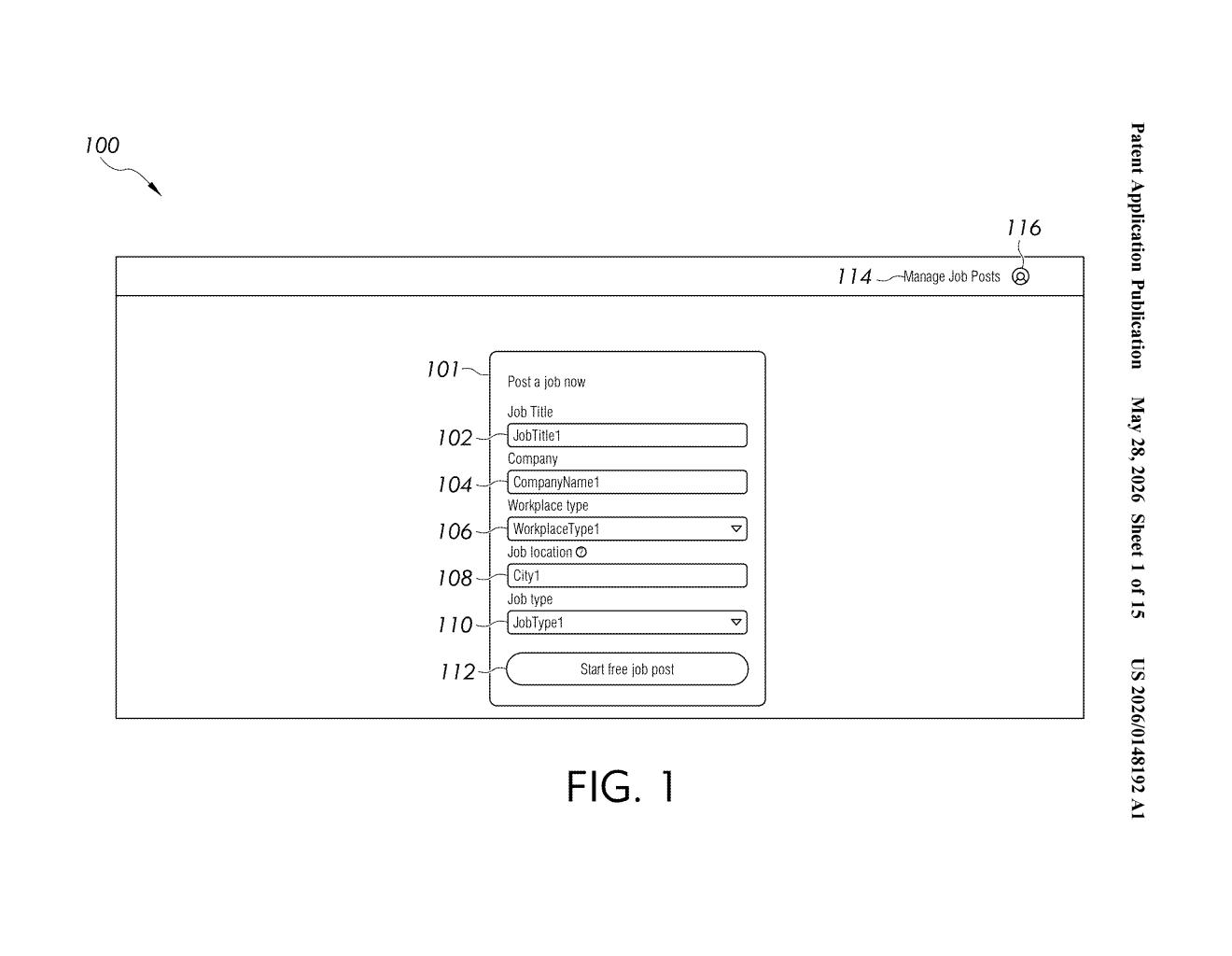
How Microsoft's AI turns your network into a job post
Imagine you need to hire someone and you already know a person in your network who has exactly the right skills. Instead of staring at a blank text box trying to describe the role, you pick that person as a reference point — and an AI writes the job description for you.
That's the core idea here. You enter some basic info about the position you're trying to fill, the system validates it, then quietly pulls additional data from your professional network — things like job titles, skills, and career details from people you're already connected to. It combines both sets of information into a prompt, sends it to a generative AI model, and hands you back a finished job posting.
The abstract mentions a UI mockup that explicitly says "We'll use their skills as a template" — so the intent is pretty transparent. You're essentially using a real person's profile as the ghost-writer brief.
How the prompt gets built from two data sources
The patent describes a two-stage data collection process feeding a generative language model (think GPT-style LLM). Here's the flow:
- First position data: what the recruiter or hiring manager types in — job title, required skills, seniority level, etc.
- Second position data: information the system extracts automatically from the user connection network, based on what was entered. This is the key step — the system enriches the prompt using network data the user didn't explicitly provide.
- Prompt formulation: both datasets are combined into a single structured prompt sent to the LLM.
- Output delivery: the model returns a position description, which is sent back to the UI.
The patent also references a UI flow where a user can select a connection from their network as a skills reference — essentially saying "write the job description as if you're trying to hire someone like this person." The system validates the position data before extraction begins, which likely means checking that enough structured information exists to construct a useful prompt.
The filing lists ten inventors and is assigned to Microsoft Technology Licensing — the same entity that holds LinkedIn's IP. The USPC classification (715/229) covers document processing and generation, which fits squarely.
What this means for hiring on LinkedIn
LinkedIn is the obvious home for this. Microsoft has owned it since 2016, and LinkedIn already has job posting tools, recruiter workflows, and a massive graph of professional connections. Bolting an LLM onto that graph — using real profile data as prompt context — is a natural next step, and this patent lays out the technical method for doing exactly that.
For you as a recruiter or hiring manager, this could meaningfully cut the time it takes to go from "we need to hire someone" to "the post is live." The flip side: if your profile is being used as a skills template to shape job descriptions, that's a new way your LinkedIn data gets put to work — something worth being aware of.
This is a practical, unsurprising patent from Microsoft — it's essentially "use your LinkedIn network graph as RAG context for job description generation." The value isn't in any exotic AI technique; it's in the tight integration between network data and LLM prompting. If this ships in LinkedIn Recruiter, it'll be one of those features that quietly becomes the default way people write job posts.
There are more where this came from
We read every patent application Big Tech publishes and send you the ones worth knowing. Plain English, free, every week.
Want this weekly breakdown for a company we don't cover? Patentlyze Pro →