
Microsoft's New Patent Fixes the Lighting Mismatch at the Edges of AR Headsets
When you look through an AR headset, the center of your view and the edges often have wildly different lighting conditions — and your display can't handle both at once. Microsoft's new patent proposes splitting that problem in two.
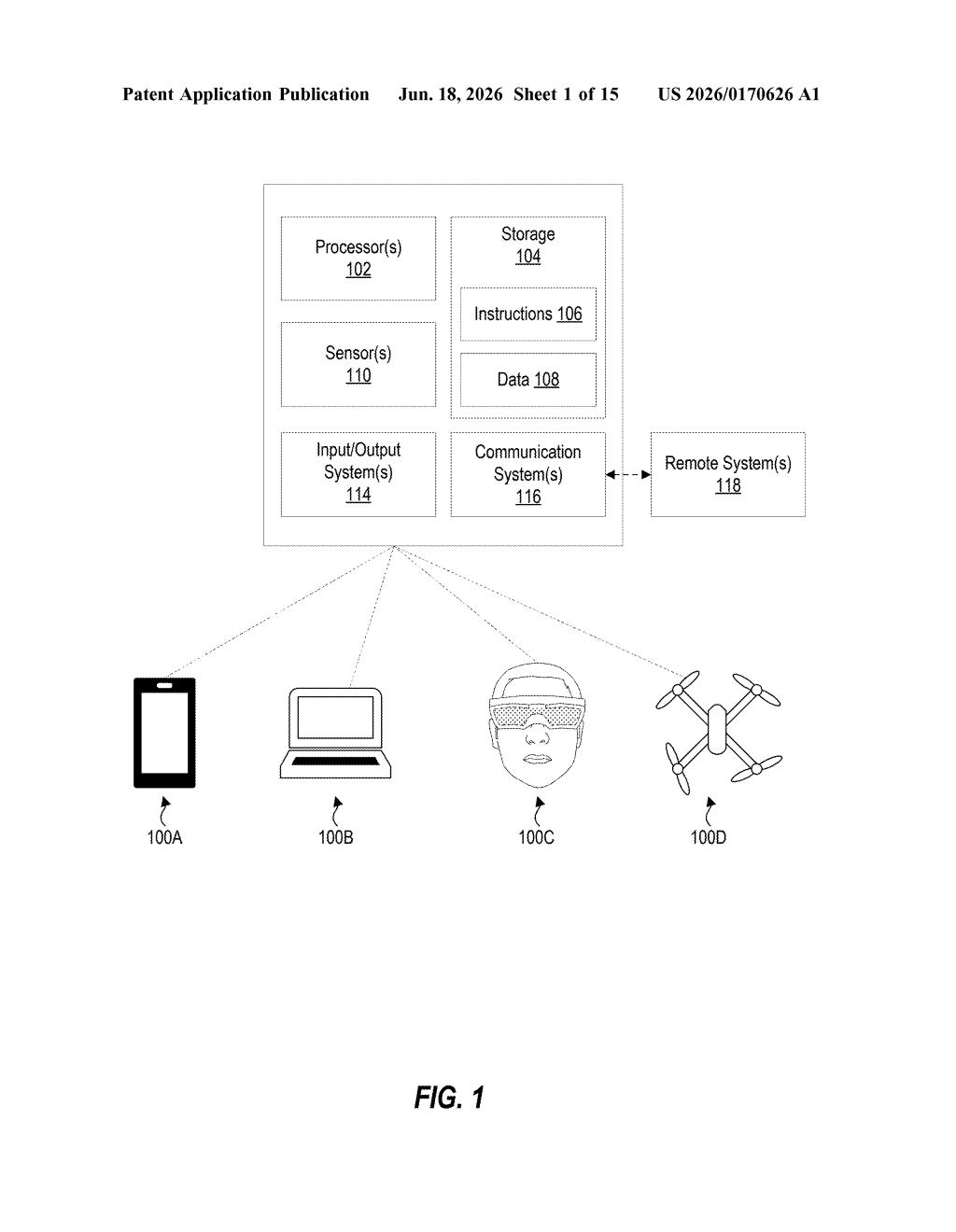
What Microsoft's split-screen brightness fix actually does
Imagine putting on a mixed-reality headset and stepping outside. The sky above you is blinding, but the room you just left — still visible at the edges of the lenses — is dim. Your headset's camera captures all of that at once, but the display can only do so much. If it adjusts brightness for the dark edges, the bright center gets blown out. If it handles the bright center, the edges go murky.
Microsoft's patent tackles this by treating different parts of the image as separate problems. Instead of applying one single brightness adjustment across the whole picture, the system applies one formula to the center pixels and a different formula to the surrounding pixels — each tuned to what's actually in that part of the image.
The result is an image where your headset's display looks right in multiple places at once, rather than making a single global compromise. Think of it like having two different photographers each responsible for lighting their half of a group photo.
How the two tone-mapping operators divide and process pixels
The patent describes a system that captures images through one or more cameras on a head-mounted display (like a mixed-reality or AR headset), then splits those images into at least two distinct regions — a first set of pixels and a second set of pixels.
For each region, the system generates a tone mapping operator (essentially a mathematical formula that determines how raw brightness values from the camera get translated into displayable brightness values on the screen). The first region gets its own formula based only on its own pixel data. The second region gets a formula that takes both regions into account — blending awareness of the full scene while still tailoring the output for that area.
- The first-region formula is applied to the first region's pixels to produce tone-mapped output.
- The second-region formula is applied to the second region's pixels separately.
- Both processed regions are then stitched back into a single output image shown on the headset display.
The key distinction from standard tone mapping is that this approach is spatially aware — it knows that different parts of the frame may need different treatment, rather than flattening everything to a single global adjustment.
What this means for the next generation of mixed-reality headsets
AR and mixed-reality headsets are fundamentally limited by the gap between what cameras can capture and what displays can show — a problem called dynamic range. Real-world scenes routinely contain areas that are hundreds of times brighter than others. Existing headsets typically apply one brightness adjustment to the whole frame, which means somewhere in your view something always looks wrong.
This patent suggests Microsoft is working on display pipelines for headsets like a HoloLens successor or a future mixed-reality device where visual fidelity in varied lighting is a first-class concern. If this makes it into hardware, it could meaningfully reduce the visual fatigue and disorientation users report when wearing AR headsets in real-world environments with mixed lighting.
Tone mapping is genuinely one of the unsexy bottlenecks holding AR headsets back from feeling convincing, and this patent takes a sensible, practical swing at it. It's not a moonshot idea — it's the kind of careful display pipeline engineering that actually ships. Worth watching if you follow HoloLens or Microsoft's mixed-reality ambitions.
There are more where this came from
We read every patent application Big Tech publishes and send you the ones worth knowing. Plain English, free, every week.
Want this weekly breakdown for a company we don't cover? Patentlyze Pro →