
Microsoft Patents a Fix for Mismatched Colors When AI Removes Objects From Photos
Anyone who's tried to swap text in a photo using an AI editor has seen it: the replaced area looks slightly off, like a color cast bleeds in from nowhere. Microsoft has filed a patent for a staged technique that attacks the problem without retraining the underlying AI model.
What Microsoft's color-bleed fix actually does to your images
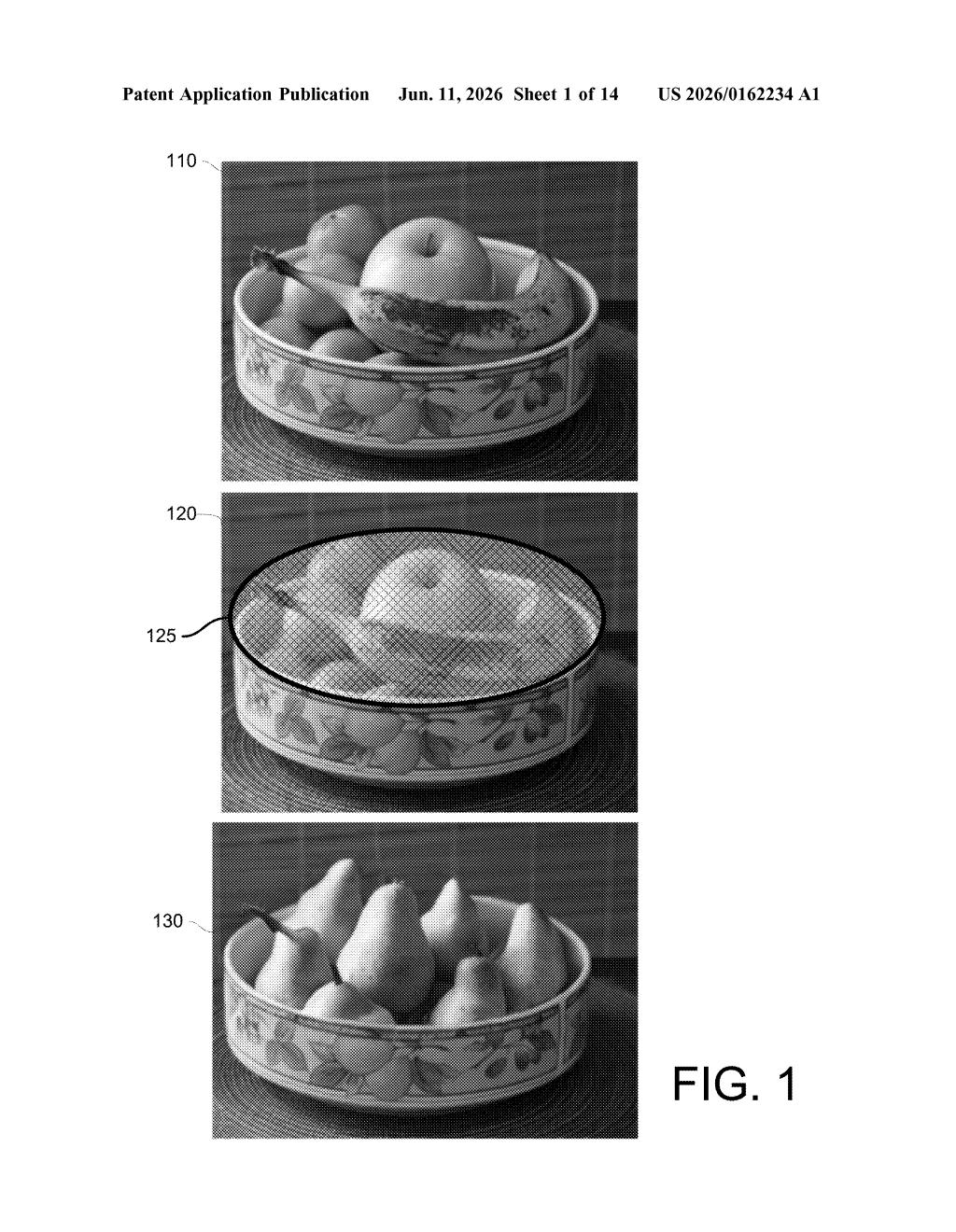
Imagine you use an AI tool to change a store sign in a photo — replacing "OPEN" with "CLOSED." The new word looks fine on its own, but the area around it has a subtle color haze, a slight mismatch that makes it obvious something was edited. That artifact is called color inconsistency, and it's one of the most stubborn cosmetic bugs in AI image editing.
Microsoft's patent describes a three-part process to clean this up — and the clever part is that it works without retraining the AI model at all. Instead, it changes how the editing process is run. The AI first edits with a protective boundary (a "mask") around the area being changed, then strips that boundary away in a later step so it can blend the edges more naturally.
A third technique smooths out the transition zone along the border of the edit, the pixel-level seam where "changed" meets "untouched." The result is a cleaner, more seamless replacement — especially for text swaps inside real photos.
How the blended inpainting pipeline seals the edit boundary
The patent targets a specific problem in diffusion model inpainting (the AI technique behind tools like DALL-E, Stable Diffusion, and similar editors that fill in or replace parts of an image). When you tell the AI to edit a region — say, change a label or a sign — the model uses a mask, essentially a stencil that marks what to change and what to leave alone. Color inconsistency creeps in at the seam between those two zones.
Microsoft's fix has three components:
- Blended masked-maskless inpainting: The AI runs its edit in two phases. In the first phase, the mask is active and the model focuses on the target region. Then the mask is dropped partway through, and the model does a second pass without it — smoothing color across the whole image instead of just the cut-out zone.
- Dynamic mask modification: The mask boundary itself is gradually adjusted during the editing process, rather than staying rigid. This prevents hard edges from forming in the first place.
- Mask boundary latent value smoothing: At the pixel level, the underlying numerical values (called latents — the model's internal representation of the image before it renders to pixels) are averaged along the mask edge to soften the seam.
All three techniques operate during the model's existing iterative denoising process (the step-by-step refinement loop every diffusion model uses) — no new training data or retraining required.
What this means for AI tools that edit text in photos
Color inconsistency is one of the most visible failure modes of AI image editing, and it's a friction point that limits trust in these tools for professional use. Microsoft embeds AI-powered editing in products like Designer and Copilot, and a cleaner inpainting pipeline directly improves the output quality users actually see.
The "training-free" framing is practically important, too. Retraining a large diffusion model is expensive and time-consuming. A technique that bolts onto the existing inference process — the part that runs every time you make an edit — can be shipped as an update to current tools without rebuilding anything from scratch. That's a faster path to real products.
This is a focused, pragmatic engineering patent — not a moonshot. The problem it solves is real and annoying, and the training-free angle gives it genuine deployment value because Microsoft can drop it into existing pipelines quickly. It won't make headlines, but it's exactly the kind of polish work that separates a demo from a tool people actually trust.
There are more where this came from
We read every patent application Big Tech publishes and send you the ones worth knowing. Plain English, free, every week.
Want this weekly breakdown for a company we don't cover? Patentlyze Pro →