
Nvidia Files Patent to Teach Camera AI to Spot Objects in Rain and Dim Light
A camera's AI can go from sharp at noon to confused at dusk, because it learned from cleaner pictures than the ones it now sees. Nvidia's filing has the camera fix that itself, by roughening its own best photos to look like bad weather.
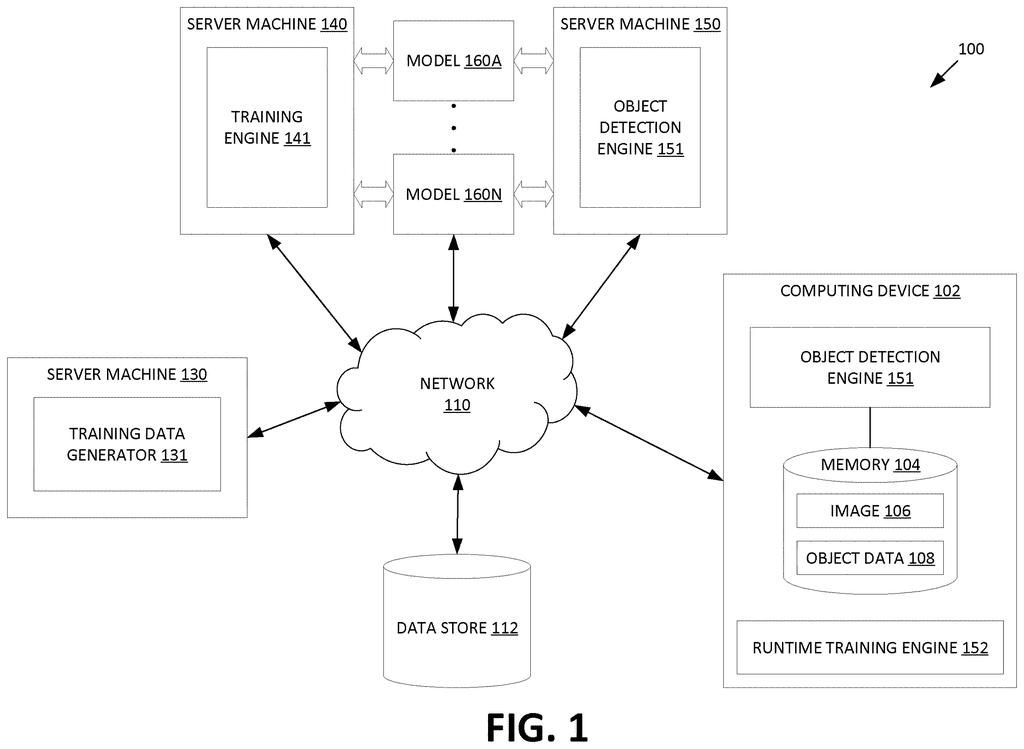
What Nvidia's weather-matched retraining does
You're watching a doorway camera at dusk, and the software that spotted every visitor at noon starts missing people as the light fades and rain grains up the picture. The AI was trained mostly on clean, well-lit photos, so murky conditions throw it off.
Nvidia's filing describes a fix that can run on the camera itself. When the system is very sure about what it sees in a good image, it keeps that image. Later, when conditions turn bad, it measures how the new, grainier pictures differ and adds the same grain to its saved clear image. Now it has a realistic practice photo of the same scene in the rain, with the labels already attached.
That doctored photo is used to retrain the AI, so it gets better at your street in your weather, without anyone labeling new pictures by hand.
… generating one or more augmented training images by augmenting the respective image to include one or more noise characteristics associated with the respective environmental condition; …
Translation: The system artificially adds visual interference like rain or darkness to existing photos to simulate bad weather.
How a clear photo becomes a rainy practice shot
The system starts with a trained object detection model (software that draws a box around things like cars or people in a photo and labels them). Each time it looks at an image, the model also reports a confidence score. The filing gives an example: an 85% score is enough to accept a detection, but an image only becomes a saved baseline if the score tops 98%.
Later, when the same camera captures images under different conditions, such as dimmer light or rain, the system measures what changed. It can compare the amount of noise (random speckles of brightness or color) in the two images and take the difference. It can also compute a structural similarity index or a peak signal-to-noise ratio (two standard scores for how much one image has degraded compared with another). Light or weather sensors can tell the system which condition it is in.
It then applies image transformations that match that noise to the baseline image. The box and label from the original carry over, so the new image comes pre-labeled. The result becomes training data for updating the model, either on the camera or on a cloud server.
The description also covers scheduling: retraining runs in idle moments, and if motion is detected, it pauses, saves its place, and handles detection first.
Apparatuses, systems, and techniques for continuous training of an object detection and/or classification model.
Translation: This patent describes methods for constantly improving how software identifies objects.
Why cameras that adapt to their own street matter
Any camera that watches one spot deals with the same sun, glare, rain and darkness over and over. A model trained on generic or simulated photos can do noticeably worse there. Training on doctored versions of the camera's own clear pictures could mean fewer missed or mislabeled objects, and less human labeling work.
The filing names surveillance cameras and the cameras on autonomous vehicles as examples. It also takes care that retraining does not get in the way of the live job: the camera keeps watching, and the learning happens in spare moments. For you, that points toward cameras that get better at their own surroundings over time.
Nvidia's 95th filing we've tracked since May in the self-driving sensing race adds to a run that includes one on locating rare road signs and cars unsure where they are.
Nothing here needs new hardware. It is a software job for a camera that already has a processor, a trained model, and ideally a light or weather sensor. The shortest route to a product is a camera maker adding this to the software that already runs on its devices.
What has to exist first is a model that is confident often enough to supply clean, correctly labeled baseline photos, plus somewhere to run the retraining, on the camera or on a server. The 98% bar in the filing's example suggests the designers worry about this, and they should. If a confident label is wrong, the doctored copies would teach the AI the same mistake again and again.
The text we saw gives no test results, so the size of the improvement is unknown. Still, this is one of the more shippable ideas in AI vision: a plain software update that makes a camera better at the weather outside its own window.
Get our take in your Top Stories
Liked this breakdown? Add Patentlyze as a preferred source on Google, and our plain-English take shows up more often in your Top Stories the next time Nvidia patent news breaks.
There are more where this came from
We read every patent application Big Tech publishes and send you the ones worth knowing. Plain English, free, every week.
The drawings
20 drawing sheets from US 2026/0330821 A1 · click any drawing to enlarge


Show the other 12 sheets


Want this weekly breakdown for a company we don't cover? Patentlyze Pro →
Be the first to weigh in