
OpenAI
OpenAI · Software · Filed Oct 7, 2025 · USPTO published Nov 19, 2026 · This week's release
OpenAI Patents an AI Programmer That Works in a Copy of Your Own Setup
OpenAI's patent application sketches an AI that takes coding jobs the way a teammate would: it works in a private copy of your project, narrates what it is doing, and hands back changes for you to review.
- Publication number
- US 2026/0367888 A1(US20260367888A1)
- Applicant
- OpenAI OpCo, LLC
- Filed · Published
- Oct 7, 2025 · Nov 19, 2026
- Inventors
- Alexander Embiricos, David Kjelkerud, Kevin Tunc
- Status when we published
- Waiting for an examiner
- Document
- 20 claims
- US classification
- 717/106
- Parent application
- Claims priority from a provisional application 63806537 (filed May 15, 2025)
What OpenAI's coding-agent patent actually does
Ever asked a coworker to take on a job, then spent the afternoon wondering whether they were stuck, finished, or heading the wrong way? That is the feeling this OpenAI patent application tries to fix for people who hand coding jobs to an AI.
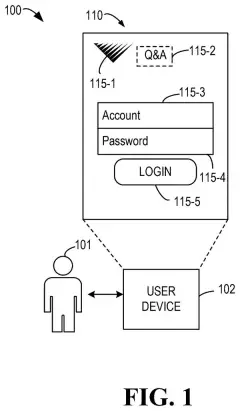
You type a plain-English request, like upgrade this library, pick which project to work on, and send it off. The AI gets its own private copy of your project, set up to match the tools and rules on your own computer, so what it writes is less likely to break when it comes back. A running list on your screen shows each job and whether it is starting, working, or done. You can keep adding jobs without the page reloading.
While the AI works, you can read a live play-by-play of its steps. Afterward you see exactly what it changed, so you can review it before anything is merged.
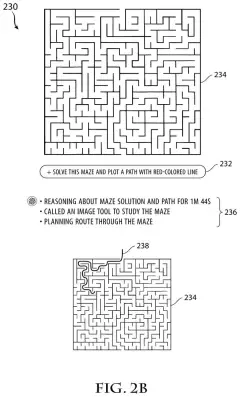
receiving, at a front end application displaying a first view, a natural language instruction associated with a first agentic software development task in a prompt editor configured to receive the natural language instruction …
Translation: You type plain English instructions into a prompt box to kick off coding jobs.
How the AI works inside a copy of your project
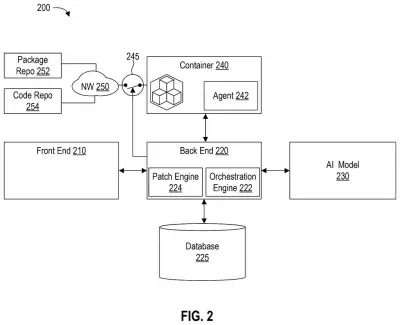
The patent covers two linked pieces. The first is the screen you use. A prompt editor (a text box where you write the job in plain language) sits next to menus for choosing a code repository (the stored home of a project's files) and a branch (a separate working version of the code). Sending the request starts the job and adds it to a task list with a current status. The list updates without refreshing the page, even while the AI is still working on earlier jobs.
The second piece runs behind the scenes. A computing service builds a container (a sealed, disposable mini-computer) configured to mirror the development environment the user has customized, and loads a cloned copy of the repository into it. The AI edits that clone rather than the original. It streams an inner monologue, a running list of the discrete actions it takes, to your screen. When the job finishes, the service retrieves the modified repository.
The filing also describes some optional extras:
- Cutting the container off from the internet after setup, so a misbehaving AI cannot reach out
- Reading an AGENTS.MD file, a note where a team writes down its style rules for the AI
- Running several containers at once and letting you pick the best of the versions
- Taking snapshots of the container's command-line screen at set intervals and feeding them back to the AI
obtain data from a terminal interface of a container after an AI model has provided a first instruction to the container, wherein the first instruction is associated with an agentic software development task …
Translation: The system watches what happens inside a secure software workspace after the AI runs a command.
Why this matters to anyone using AI to code
If you write software, or work with people who do, the pain this targets is familiar: code an AI wrote in an online test space that then breaks on your own machine. By building the AI's workspace to match yours, and pairing it with a live log and a final list of changes, the filing aims to make AI contributions easier to trust and easier to review.
For everyone else, it shows where AI coding tools are heading: less chatting back and forth, more handing off whole jobs and checking in later. The filing even compares the experience to overseeing a human teammate's work. Whether any of this becomes a product is unknown, and a patent application only describes an idea.
That makes this OpenAI's ninth filing we've tracked since July in our AI agents acting for you watchlist, following earlier patents on a live AI progress timeline and clickable coding receipts.
Source: US 2026/0367888 A1 at the USPTO (PDF). Full patent text and figures are in the official publication.
Get our take in your Top Stories
Liked this breakdown? Add Patentlyze as a preferred source on Google, and our plain-English take shows up more often in your Top Stories the next time OpenAI patent news breaks.
Add Patentlyze on Google
One click.
There are more where this came from
We read every patent application Big Tech publishes and send you the ones worth knowing. Plain English, free, every week.
The drawings · 16 sheets
16 drawing sheets from US 2026/0367888 A1 · click any drawing to enlarge


Show the other 8 sheets


More from OpenAI
All 58 OpenAI patents →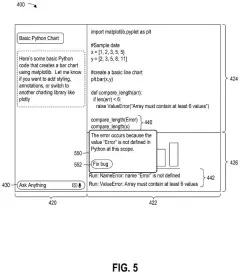
More in Software
All 814 Software patents →
Qualcomm
Qualcomm Patents an AI Coach That Watches You Cook and Catches Mistakes
Salesforce
Salesforce Files Patent for an AI That Writes Hidden Text to Lift Search Rankings
Google
Google Files Patent for Earbuds That Cut Out Background Noise From Your Voice Commands
Microsoft
No comments yet