
Samsung Patents an Optical Interconnect That Moves Data Using Light Instead of Electricity
Samsung is patenting a way to send data between chips using pulses of light rather than electrical signals — a design that pairs a conventional electronic chip with a photonic one to squeeze more speed out of tight, heat-sensitive spaces.
What Samsung's light-based chip interconnect actually does
Imagine your chips are like offices on different floors of a building. Right now, most of those offices communicate by shouting through copper pipes — it works, but it gets noisy, wastes energy, and slows down as the building gets taller. This patent describes a different approach: sending messages as flashes of light instead.
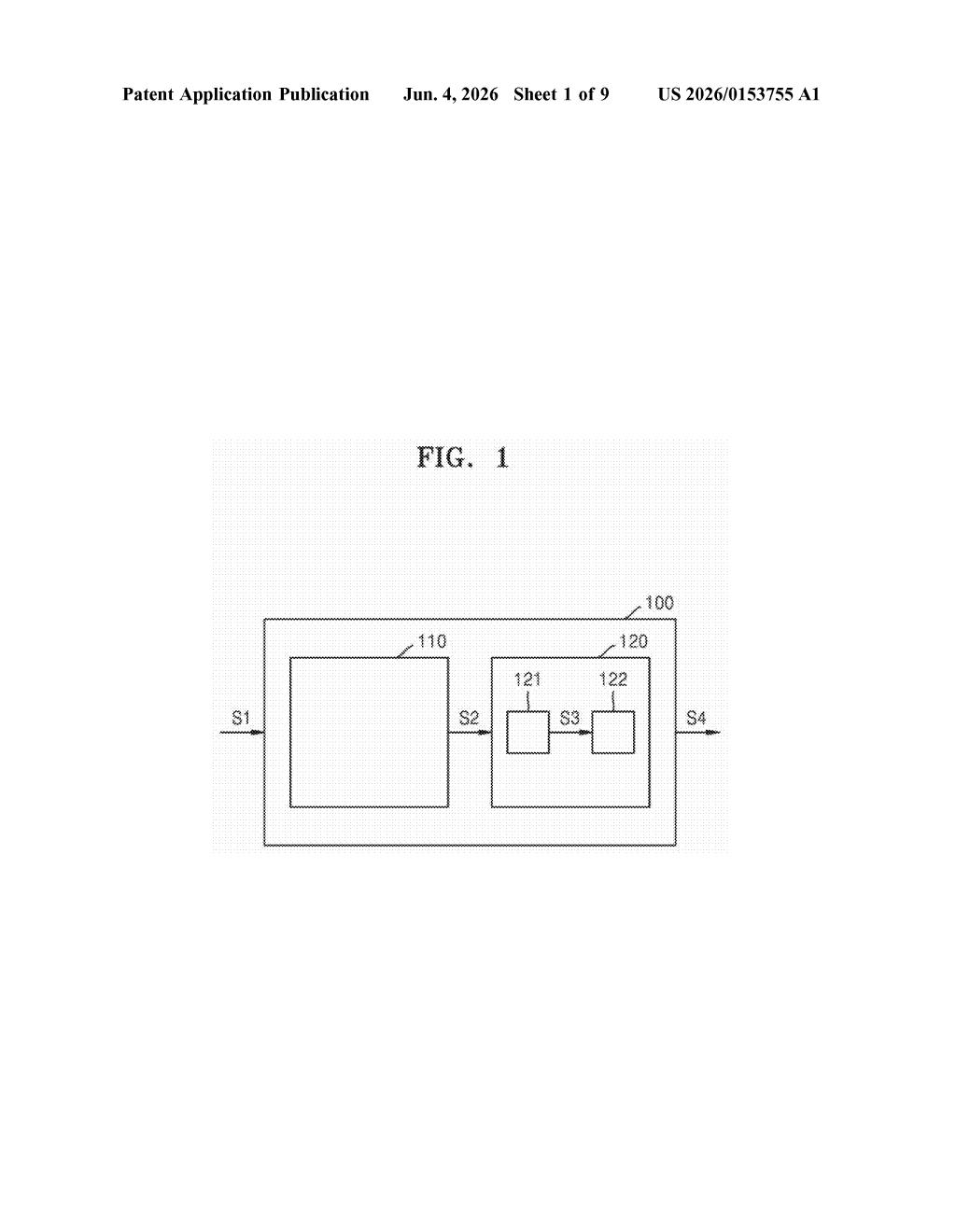
Samsung's design splits the job between two chips. One chip — a standard electronic integrated circuit — generates the signal you want to send. A second chip, a photonic integrated circuit (PIC), takes that signal, boosts it with a transistor, and then uses a tiny ring-shaped device to convert it into an optical pulse.
The result is a data link that can potentially run faster and cooler than an all-copper design. This kind of architecture is particularly relevant as AI servers pack more and more chips into tight spaces, where heat and signal interference are growing problems.
How the EIC, bipolar transistor, and micro-ring work together
The system is split into two main components working in tandem:
- Electronic Integrated Circuit (EIC): This is a conventional silicon chip that generates the raw driving signal — essentially the electrical "message" to be transmitted.
- Photonic Integrated Circuit (PIC): This chip receives that electrical signal and converts it into light. Inside the PIC, a bipolar transistor (a type of amplifier that handles both electron and hole carriers, giving it strong gain and fast switching) first boosts the incoming signal to the level needed for optical conversion.
- Micro-ring modulator: A microscopic ring-shaped optical resonator that encodes the amplified electrical signal onto a laser beam by slightly shifting its resonance — think of it like a tiny, very fast shutter in front of a light source, flickering to represent ones and zeros.
The clever part is putting the amplification stage inside the photonic chip, right before the modulator. This keeps the signal strong at the exact moment it needs to drive the optical element, reducing the power penalty you'd normally pay for long electrical interconnects between separate chips.
The bipolar transistor choice inside a PIC is notable — most photonic chips use CMOS-style electronics, so integrating a bipolar device suggests Samsung is optimizing specifically for the high-speed, high-gain requirements of ring modulator drivers.
What this means for data center bandwidth and AI hardware
The data center industry — especially the AI-training segment — is hitting a wall with conventional copper-based chip-to-chip links. As GPU clusters scale up, electrical interconnects consume more power, generate more heat, and struggle to keep pace with bandwidth demands. Optical interconnects are widely seen as the next step, but integrating them cheaply and reliably at the chip level is an unsolved engineering problem.
This patent puts Samsung firmly in that race. If the design holds up, it could influence how future AI accelerators, memory interfaces, or high-bandwidth networking chips are built — particularly in co-packaged optics configurations where the photonic and electronic dies sit side by side in the same package. For you as an end user, that eventually translates to faster, more power-efficient AI infrastructure.
This is a solid, focused engineering patent — not a moonshot. Samsung is staking out specific IP around the transistor-plus-ring-modulator architecture inside a PIC, which is a real and contested design space right now. It's not flashy, but co-packaged optics is one of the most consequential hardware battlegrounds of the next five years, and filings like this are how companies build defensive moats before products ship.
There are more where this came from
We read every patent application Big Tech publishes and send you the ones worth knowing. Plain English, free, every week.
Want this weekly breakdown for a company we don't cover? Patentlyze Pro →