
Sony Patents a Haptic System That Maps Vibrations Through Your Body
Every human body conducts vibrations differently — and Sony wants to use that fact to make haptic feedback feel like it's happening in exactly the right spot, not just "somewhere on your hand."
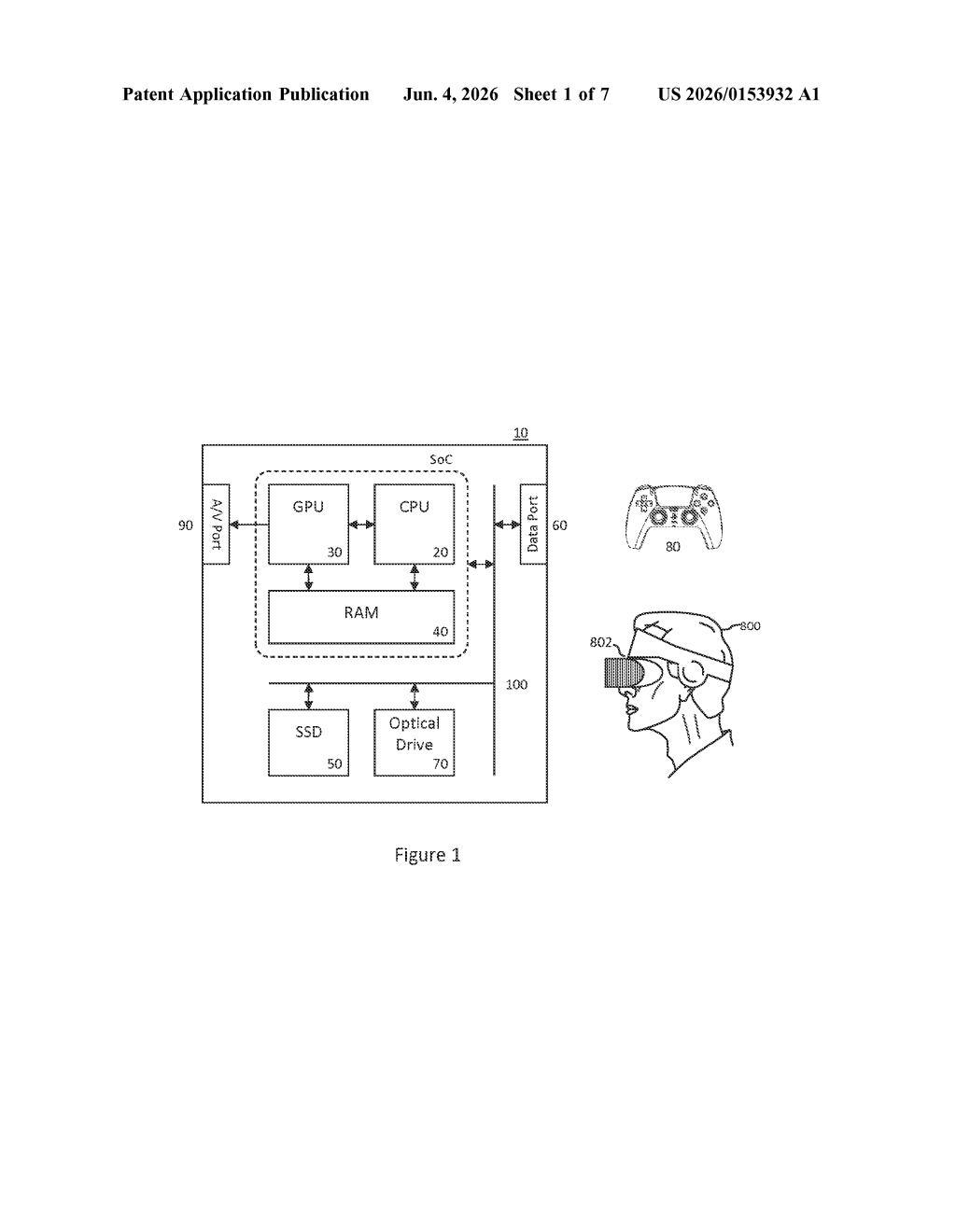
What Sony's body-vibration haptics actually do
Imagine putting on a gaming glove or wristband and feeling a precise tap on one specific finger — not a vague buzz across your whole palm. That's the kind of pinpoint haptic feedback Sony is working toward with this patent.
The idea is that before the device can deliver precise vibrations, it needs to learn how vibrations travel through your specific body. Your hand, wrist, or torso conducts sound waves differently than someone else's — based on your tissue density, bone structure, and how the device sits on your skin. Sony's system sends a test signal into your body at one point, then measures what arrives at another point, and uses that data to build a personal map of how vibrations move through you.
Once it has that map — what the patent calls a body related transfer function — the system can compensate and adjust future haptic signals so that what you feel matches what the game or app actually intended. Think of it like how your phone calibrates its screen to your touch before you use it, except this time it's calibrating to the physics of your body.
How Sony measures your body's unique vibration signature
The patent describes a calibration-first haptic pipeline. Here's how it breaks down:
- Excitation signal: A vibration actuator physically touches your body at one location — say, the back of your wrist — and sends a known test signal directly into your skin and tissue.
- Measurement signal: A haptic vibration sensor sits at a second location — say, your fingertip — and records what actually arrives there after traveling through your hand's flesh and bone.
- Body-related transfer function (BRTF): The system compares what was sent vs. what was received, and factors in the spatial distance between the two points, to derive a mathematical model of how your body specifically attenuates and distorts vibration signals. Think of it like an impulse response measurement used in audio engineering, but for human tissue.
This BRTF is the key output. With it, future haptic signals can be pre-shaped (pre-distorted) so that after passing through your body's natural filtering, they arrive at the target location with the intended intensity and character — not whatever garbled version your body would otherwise produce.
The claim is specifically about deriving that transfer function, which suggests this is the calibration foundation on which a larger adaptive haptic rendering system would be built.
What this means for next-gen PlayStation controllers and wearables
Haptic feedback in today's controllers — even the impressive adaptive triggers in the PlayStation 5's DualSense — operates on a "spray and pray" model: vibrate the whole device and hope the player's hands interpret it correctly. A system that understands how vibrations actually travel through your body could let a glove or wearable place a sensation at a specific finger, knuckle, or palm region with real precision.
For Sony, this fits neatly into the trajectory of the DualSense and any future VR/AR haptic accessories. If you've ever noticed that haptic "rumble" feels muddy or imprecise, this is the research direction that would fix it — by treating your body as part of the signal chain, not an afterthought.
This is genuinely interesting foundational work. Adaptive haptics that personalize to individual body acoustics is a real unsolved problem — most haptic hardware today ignores that human tissue is a lossy, variable medium. Whether this ends up in a PlayStation peripheral or a broader Sony wearable, this kind of per-user calibration pass is the right architectural move.
There are more where this came from
We read every patent application Big Tech publishes and send you the ones worth knowing. Plain English, free, every week.
Want this weekly breakdown for a company we don't cover? Patentlyze Pro →