
Qualcomm Files Patent for Keeping Differently Compressed Data Apart in Wireless Signals
A compression method that treats a photo differently from a song runs into a hidden problem on cellular networks, which like to mix everything together. Qualcomm's patent application adds a label-and-sort step to fix that.
What Qualcomm's data-sorting patent does
Ever packed a wet swimsuit in the same bag as your dry clothes? Everything technically fits, but the mixing causes trouble. Something similar happens when your phone sends data over a cellular network.
A newer style of compression, called semantic encoding, shrinks data based on what it is, so a photo gets treated differently than a song. The catch is that today's network rules often toss different types of data into the same shipment. That mixing can make content-aware shrinking hard or impossible to use.
Qualcomm's patent adds a simple fix. Each piece of data carries a small label saying how it was compressed. Before sending, the phone or cell tower reads the labels and keeps data with different compression methods in separate shipments, so each arrives in a form the receiver can unpack properly.
transmit, in accordance with inspecting one or more first packets using a medium access control (MAC) layer to identify a first flag indicating a first encoding process, a first transport block (TB) that includes the one or more first packets, the first encoding process being a semantic encoding process; …
Translation: The device sends data packets after checking their MAC layer flags to spot a semantic encoding process.
How the MAC layer reads compression flags
The filing works inside the stack of software layers that 5G devices use to prepare data for the air. In the main version, a layer called PDCP adds a small header to each packet. That header carries a flag naming the encoding process used on the packet (the filing labels them "x" and "y"), and it can also carry an index number so packets can be put back in order.
The MAC layer (medium access control, the layer that bundles packets into units called MAC PDUs before they go out) then inspects those flags. If two packets point to different encoding processes, and at least one is semantic, the MAC layer will not put them in the same MAC PDU. Each transport block (the chunk actually sent over the radio link) therefore holds data from just one encoding process.
The filing describes several ways to draw the same line:
- A dedicated radio bearer (a reserved pathway for one type of traffic) tied to a "semantic type" flag.
- Logical channels reserved for semantic data, kept apart from channels for ordinary data, including in separate channel groups.
- A second independent claim that skips the header flags and uses different radio bearers for different encoding processes.
The description also covers two ideas the claims do not: linking each data segment to its matching "side information" (hints the receiver needs to decode it), and a way for the receiver to work out packet lengths from a lookup table instead of being told them directly.
If two inspected packets indicate different encoding processes, including at least one semantic encoding process, the MAC layer may avoid assigning the packets to the same MAC packet data unit (PDU) (also referred to as multiplexing the packets) and may instead assign the packets to different MAC PDUs.
Translation: Packets using different compression methods are kept out of the same data block to prevent mixing.
What this means for compressed data over 5G
You would never see this feature on your phone screen, but it sits in the plumbing that decides whether content-aware compression can ride on cellular networks at all. The filing itself says semantic techniques are not widely used in wireless systems because standard packaging mixes different types of data together. Keeping them separate removes that obstacle for photos, video, and other content.
The filing says the payoff is better encoding efficiency, since each bundle holds data from at most one semantic encoding process. It applies to both phones and base stations, so both ends of a connection could follow the same sorting rule. Like any patent application, it describes an idea, and nothing in it says a product is coming.
Qualcomm's 495th filing in our Qualcomm coverage since May adds to a run that includes skipping tower check-ins and picking towers by battery use.
The problem here is real but narrow. Today's cellular rules pack different types of data into shared bundles, and the filing says that habit is one reason content-aware compression is rarely used on wireless networks. A rule that says "keep differently compressed data in separate bundles" is a small change aimed at one specific obstacle.
The patent leaves the compression methods alone and clears a roadblock in front of them. Each packet only needs a label, and the sorting step reads it.
Whether it matters depends on whether content-aware compression catches on over cellular networks. The filing gives no numbers on how much data it saves, so the size of the payoff stays unknown. As plumbing, it fits the problem well.
Get our take in your Top Stories
Liked this breakdown? Add Patentlyze as a preferred source on Google, and our plain-English take shows up more often in your Top Stories the next time Qualcomm patent news breaks.
There are more where this came from
We read every patent application Big Tech publishes and send you the ones worth knowing. Plain English, free, every week.
The drawings
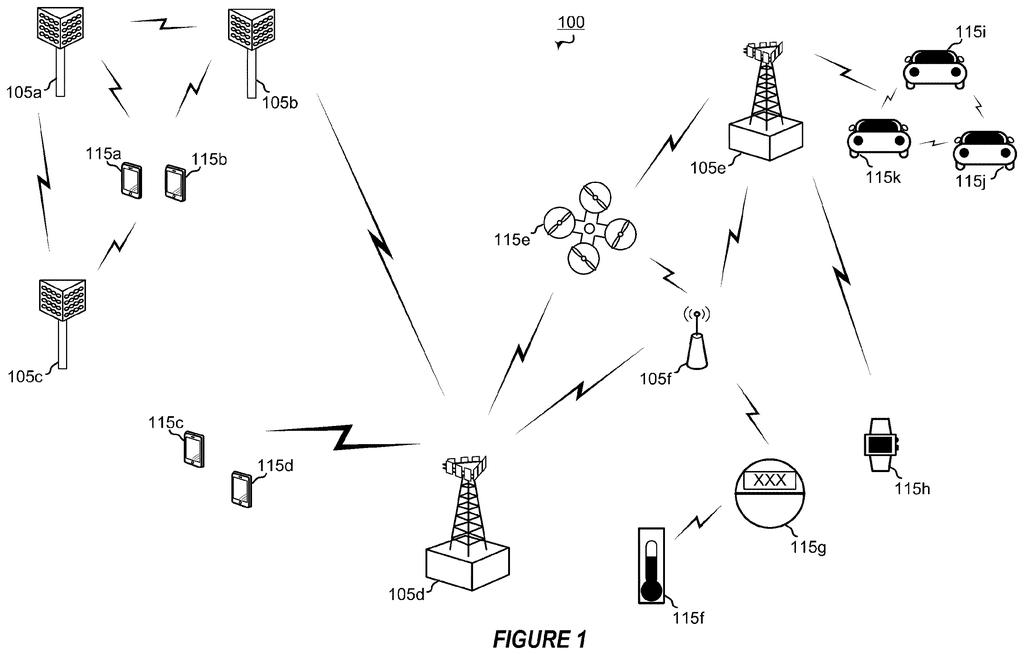
19 drawing sheets from US 2026/0313457 A1 · click any drawing to enlarge


Want this weekly breakdown for a company we don't cover? Patentlyze Pro →
Be the first to weigh in