
Samsung Patents AR Glasses That Clear Digital Graphics When Real Life Demands Focus
AR glasses are only useful if you can actually see through them. Samsung is patenting a system that automatically clears away digital overlays the moment something real in the world demands your focus.
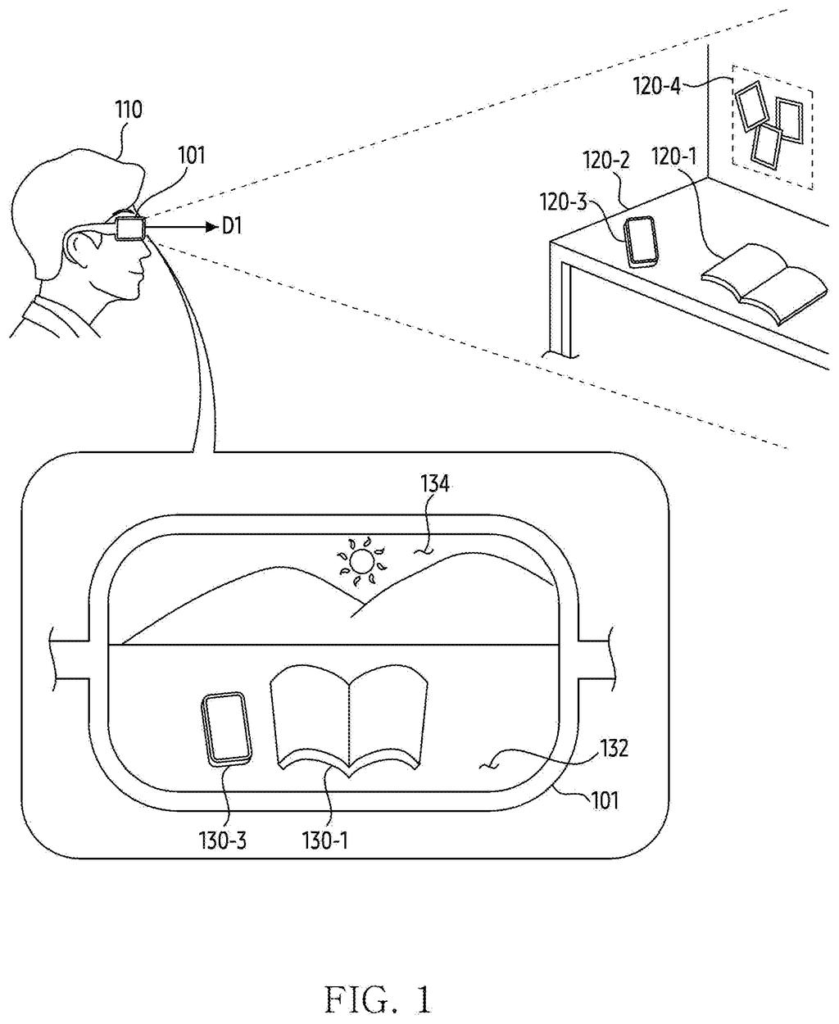
How Samsung's AR clutter-filter actually works
You're wearing AR glasses, and the lenses are full of floating app windows, notifications, and digital widgets. Then a real person walks up to talk to you, or you need to read a sign, or a car rolls into view. All that digital clutter is suddenly in the way.
Samsung's patent describes a system where the glasses recognize that a specific real-world object is important right now, then automatically remove the other floating visuals from that part of your view. You'd still see the content tied to whatever you're looking at, but the rest of the digital noise would disappear from the frame.
Think of it like picture-in-picture for the real world: the system keeps what's relevant to this moment on screen and clears everything else out of the way, without you having to swipe, tap, or say anything.
… determine whether a visual object in a preset category is included in the image frame; and based on the visual object determined as included in the image frame, display, via the at least one display together with the virtual image, a portion of the image frame including the visual object.
Translation: The glasses check if a specific real object appears and then show a live video snippet of it right over your digital screen.
How the device spots objects and clears the frame
The patent describes a wearable display device, most likely AR glasses, with a camera and a processor working together in real time.
Here's the basic sequence:
- The glasses are displaying multiple visual objects (think floating app cards, icons, or overlays) on the lenses.
- The processor identifies one of those visual objects as significant, a "first visual object." It then looks for a related "second visual object" connected to it.
- The camera captures a new image frame of the real world.
- The system modifies that frame by removing the other visual overlays that are neither the first nor the second object, clearing the visual field around what matters.
- The cleaned-up frame, showing only the relevant content alongside the camera image, is displayed to the user.
The broader independent claim frames this slightly differently: the glasses watch camera footage, check whether a real-world object in a preset category (a person, a sign, a hazard) appears, and if it does, they pull that portion of the camera image into the display alongside the virtual content already showing.
Either way, the core idea is the same: the device decides what's important in the real world and adjusts what's cluttering your lenses accordingly, automatically.
… modify at least a portion of the second image frame in which at least one of other visual objects of the plurality of visual objects different from the first visual object and the second visual object is removed.
Translation: The software edits the camera view to erase distracting background details while keeping only the important stuff you need to see.
What this means for everyday AR glasses use
The biggest unsolved problem with AR headsets today is information overload. Early demos always look clean because someone carefully positioned a single overlay in empty space. Real use is messier: multiple apps, alerts, and UI elements compete for the same visual real estate as the actual world you're trying to navigate.
If Samsung ships something like this in future AR glasses, it could make the difference between a device that's useful in daily life and one that users abandon after a week. Samsung's string of AR display-management filings suggests this is a priority area, not a one-off idea. For you as a user, the practical payoff is simple: you'd spend less time wrestling with your headset's UI and more time paying attention to the world around you.
Samsung's 56th filing we've tracked since May in the AR glasses race builds on earlier work like pushing 3D icons and making flat apps 3D-ready.
Anyone who has worn AR glasses knows the frustration of digital labels and alerts piling up on the lens until the real world underneath becomes hard to read. That clutter actively defeats the purpose of the technology, which is supposed to make information easier to absorb.
Samsung's approach matches the scale of the problem well: the device notices what the wearer is paying attention to and clears away everything else, because the mess is relational rather than random.
The honest limit is that the patent describes the desired result without explaining how the device learns what matters in a given scene, so this is a clear statement of intent that still depends on engineering not yet covered here.
There are more where this came from
We read every patent application Big Tech publishes and send you the ones worth knowing. Plain English, free, every week.
The drawings
24 drawing sheets from US 2026/0301246 A1 · click any drawing to enlarge


Want this weekly breakdown for a company we don't cover? Patentlyze Pro →
Be the first to weigh in