
Samsung Patents a Device That Converts Audio So Your TV and Speakers Work Together
Wireless speakers and TVs often speak different audio languages, and the result is silence or distortion. Samsung has filed a patent for a go-between device that detects the mismatch and translates in real time.
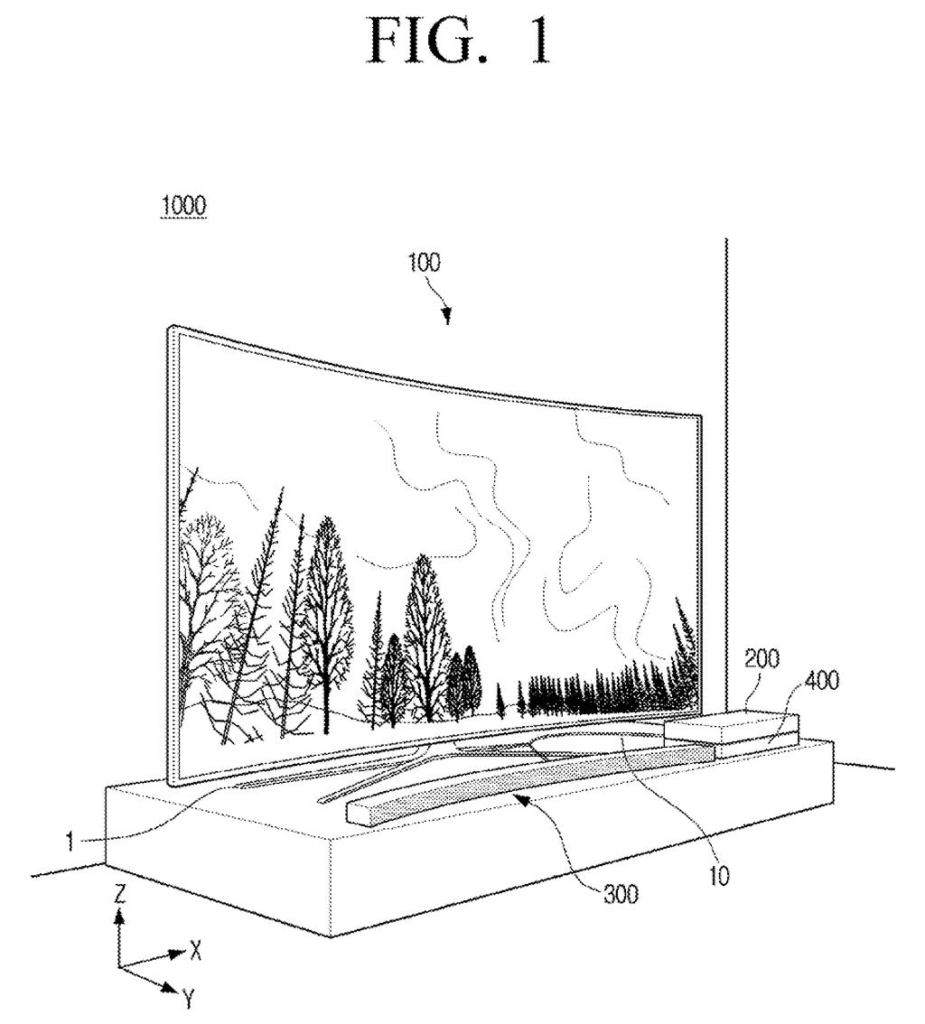
What Samsung's wireless audio format fix actually does
A Samsung TV streams audio to a soundbar over Wi-Fi, but the two devices disagree on which audio format to use. Right now, that kind of mismatch means you either hear nothing or hear something garbled.
Samsung's patent describes a middle device that sits between your TV and your speakers. It watches the wireless connection between them and checks whether the audio format the TV is sending matches what the speakers expect. If they don't match, the device converts the audio on the spot before passing it along.
The key detail is that the device picks which format to use based on the actual quality of the wireless link at that moment, not a fixed setting. So if your Wi-Fi is having a rough day, it can choose a lighter format that still gets through cleanly.
… change the format of the audio data received from the display device, and transmit the audio data having the changed format to the audio output device through the first communication interface.
Translation: It converts the audio format so it can send the sound to your speakers.
How the hub detects format gaps and converts on the fly
The patent describes an electronic apparatus (think a small hub or a smart speaker) that acts as a translator between a display device (like a TV) and an audio output device (like a wireless soundbar or headphones).
The device has two separate communication interfaces. The second interface receives audio data wirelessly from the TV. The first interface sends audio data to the speaker. The key job of the processor in between is to check whether those two sides are speaking the same format.
Format identification is tied to network state (the current quality and speed of the wireless connection between the TV and the hub). If the connection is strong, a high-quality, uncompressed format may be fine. If the link is weaker, a different, more compressed format might be needed to avoid dropouts.
- Receive audio data from the TV over the second interface
- Assess the current wireless link quality
- Check if the incoming format matches what the speaker expects
- If they don't match, convert the audio format
- Send the converted audio to the speaker over the first interface
identify a format of audio data received from the display device through the second communication interface based on a network state between the display device and the electronic apparatus …
Translation: The device checks the current audio format coming from your TV.
What this means for wireless home theater setups
Wireless home audio setups are more popular than ever, but the experience can still break down at invisible technical seams. If your TV, soundbar, or streaming stick each support slightly different audio formats, the weakest link in the chain determines what you actually hear. A hub that detects and fixes that on the fly means you spend less time buried in settings menus.
For you, the practical payoff is audio that simply works without manual format toggling. The bigger picture is that as Samsung keeps pushing wireless connections between its TVs and speakers, this kind of automatic format negotiation becomes the glue that makes the whole ecosystem feel polished.
Samsung's 28th filing in our Audio patent coverage since May follows one using sound to read floors and one that locates speakers automatically, adding to the audio applications we've tracked.
The person this helps is the one who bought a soundbar, set everything up correctly, and still ends up with muffled dialogue or audio that cuts out for no obvious reason. Samsung is describing a system that negotiates between devices so the sound your speakers receive is always a format they can actually play.
The wireless part matters because conditions in your home shift constantly. A video call in the next room, a neighbor's network, a busy afternoon: any of these can change what your connection can carry, and a system that adjusts to those changes catches problems before they reach your ears.
The concrete payoff is fewer moments where you suspect a bad cable or a broken device when the real cause was invisible and fixable. Home audio should just work, and this is Samsung trying to make that happen at the handshake between devices rather than leaving the troubleshooting to you.
There are more where this came from
We read every patent application Big Tech publishes and send you the ones worth knowing. Plain English, free, every week.
The drawings
15 drawing sheets from US 2026/0290356 A1 · click any drawing to enlarge


Want this weekly breakdown for a company we don't cover? Patentlyze Pro →
Be the first to weigh in