
Samsung Patents a Two-Step Touch Detection Method to Improve Touchscreen Accuracy
Touchscreens have a signal-interference problem that gets worse as displays get bigger and more electrodes are packed in. Samsung's new patent describes a two-phase scanning method that splits those electrodes into groups, then re-scans each group independently, to clean up the noise.
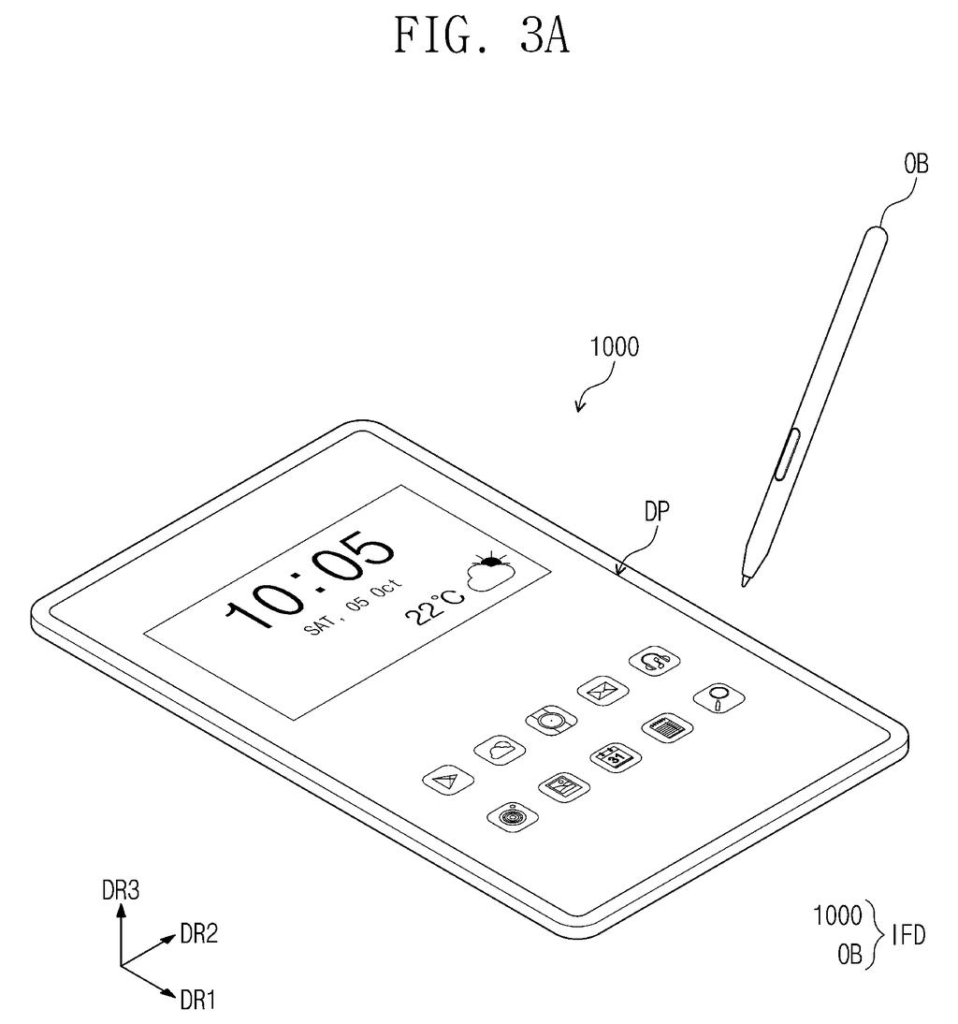
How Samsung's two-pass touch scan works in practice
Today's touchscreens work by sending electrical signals through a grid of tiny sensors called electrodes and reading back where your finger disrupted them. The more electrodes there are, the harder it gets to tell signals apart, because they all fire in close sequence and bleed into each other.
Samsung's patent describes a system that runs two separate scanning rounds. In the first round, the display divides all its electrodes into a small number of large groups and checks each group. In the second round, it zooms into each group and scans the individual electrodes inside it. Two passes instead of one lets the hardware separate signals that would otherwise overlap.
The practical payoff is a touchscreen that should register touches more cleanly, especially in crowded areas of the screen or when multiple fingers are down at once. It's a structural change to how the underlying sensor layer does its job, not a software tweak.
during a first period, output a first signal to the sensor layer for distinguishing the N electrodes into a plurality of blocks; and during a second period different from the first period, output a second signal to the sensor layer for distinguishing electrodes in the plurality of blocks among the N electrodes.
Translation: The touchscreen scans in two steps, first grouping electrodes into blocks and then pinpointing the exact touch location within those blocks.
How the sensor driver splits and re-scans electrode blocks
The patent covers an electronic device built around three parts: a sensor layer (the grid of electrodes embedded in or under the display), a sensor driver (the chip that sends signals to those electrodes and reads the response), and a main driver (the controller that orchestrates everything).
The key invention is a two-period scanning cycle. During the first period, the sensor driver groups all N electrodes into a set of larger blocks and fires a signal across each block as a unit. This gives a coarse map of where activity is happening. During the second period, the driver goes back into each block and signals the individual electrodes inside it one by one, or in finer sub-groups.
This two-pass approach works like narrowing down a search: first you identify the neighborhood, then you find the exact address. By separating the two scans in time, signals from different electrodes don't pile on top of each other, which is the main source of crosstalk noise in dense touchscreens.
- Sensor layer with N electrodes (N ≥ 2)
- First-period scan: electrodes divided into coarse blocks
- Second-period scan: electrodes within each block distinguished individually
- Main driver coordinates the timing between the two periods
What this means for touch accuracy on future Samsung displays
Touch accuracy might sound like a solved problem, but it gets harder as screen resolution rises and manufacturers add features like stylus support, in-screen fingerprint sensors, and multi-touch palm rejection. Each new layer of functionality adds more electrical noise that the sensor has to sort through.
Samsung Display's steady investment in sensor-layer patents suggests the company is treating the sensing hardware as a competitive differentiator, not a commodity. If this two-phase approach works as described, it could show up in high-end Galaxy phones or tablets where stylus precision and multi-touch accuracy are selling points, giving those screens a quieter signal floor without requiring larger or more expensive sensor hardware.
That makes this Samsung's 103rd filing we've tracked in our display technology watchlist since May, joining the handwriting-reading display and the self-rolling screen.
Crowded screens misread fingers. On large foldables and tablets, the more electrodes packed into a display, the more they interfere with each other, turning precise input into guesswork. That interference has real costs: missed pen strokes, dropped touch points, and the creeping sense that an expensive device feels cheap.
Samsung's answer is to scan the screen in two passes rather than one, first finding roughly where activity is happening, then zooming in to pin it down precisely. The approach is methodical rather than dramatic, and it fits the scale of the problem well enough without overreaching it.
Where ordinary users on a mid-range phone will notice nothing, someone writing on a large screen or juggling multiple simultaneous touches stands to gain something tangible: a device that keeps up with them.
There are more where this came from
We read every patent application Big Tech publishes and send you the ones worth knowing. Plain English, free, every week.
The drawings
25 drawing sheets from US 2026/0267431 A1 · click any drawing to enlarge


Want this weekly breakdown for a company we don't cover? Patentlyze Pro →