
Sony Patents AR Parking System That Highlights Open Spots in Real Time
Finding a parking spot is already stressful enough. Sony is patenting a system that overlays color-coded markers directly onto your car's camera feed so you can tell at a glance which spaces are open, blocked, or unclear.
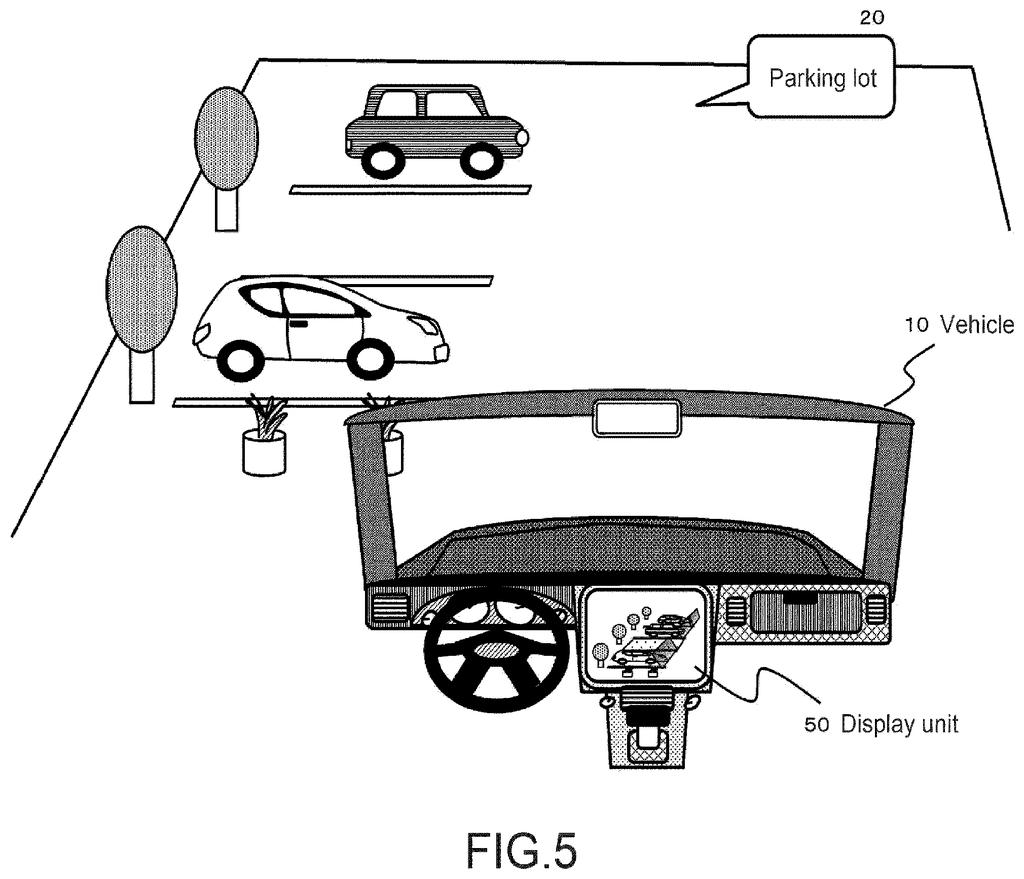
What Sony's parking overlay system actually shows you
Imagine looking at your car's backup camera screen and instead of squinting to figure out which spots are taken, you see each parking space outlined in a different color based on whether it's open or occupied. That's the core idea here.
Sony is filing for a patent on a system that analyzes the camera footage around your car, identifies individual parking spaces, and then draws visual overlays on top of that footage in real time. Each space gets labeled differently depending on whether it's available to park in, already taken, or simply unclear.
The overlays also include a vertical surface rising up from the ground plane of each space, which helps the display look more natural when viewed from the camera angles typically used in parking assist systems. Think of it like a semi-transparent fence post marking each spot.
How the system classifies and labels each parking space
The patent describes circuitry inside a vehicle-mounted information processing unit that does three main jobs in sequence:
- Classifies each visible parking space as parkable, non-parkable, or unknown, based on image analysis of the camera feed surrounding the vehicle.
- Generates distinct visual overlays (called display data in the patent) for each category, with different display properties such as color, opacity, or pattern so drivers can distinguish them instantly.
- Superimposes those overlays onto the live camera image shown to the driver, so the classification appears directly on the feed rather than in a separate interface.
A notable detail: the overlay for each parking space includes an upward extension surface, essentially a vertical plane rising from the floor-level boundary of the space. This three-dimensional element makes the on-screen marker look more like a real-world object, which helps when the camera is at an angle (as surround-view and fisheye cameras typically are).
The unknown-space category is also explicitly part of the system, covering situations where the camera feed doesn't provide enough information to make a confident call either way. That's a practical detail that matters for real-world driving conditions like poor lighting or partial obstructions.
What this means for parking cameras and driver assistance
Parking cameras are already standard on most new vehicles, but today's systems mostly just show you a raw fisheye image and leave the interpretation to the driver. A system like this one would move that cognitive work to the car, flagging what's available before you've even started turning the wheel. For tight urban lots or crowded parking garages, that's a genuinely useful upgrade.
Sony's semiconductor division supplies image sensors and camera hardware to many automakers, so a patent in this space fits naturally with their existing business. It also lines up with the broader push toward Level 2 and Level 3 driver assistance, where the vehicle is expected to understand its environment, not just display it. Whether this becomes a product feature or simply protects a piece of Sony's imaging pipeline is unclear, but the underlying idea is practical rather than speculative.
This is a modest but sensible idea. Overlaying classified parking spaces on a live camera feed is exactly the kind of incremental improvement that makes driver assistance actually useful day to day rather than just impressive in a showroom demo. It's not a moonshot, but the inclusion of the 'unknown space' category suggests real-world engineering thinking rather than just a patent-box exercise.
There are more where this came from
We read every patent application Big Tech publishes and send you the ones worth knowing. Plain English, free, every week.
The drawings
26 drawing sheets from US 2026/0212760 A1 · click any drawing to enlarge


Want this weekly breakdown for a company we don't cover? Patentlyze Pro →
Be the first to weigh in