
Samsung Patents a System That Splits Audio Across Your Devices Automatically
Instead of playing the same audio on every speaker in the room, Samsung's new patent describes a system that carves a single piece of audio into pieces and assigns each device a different part to play.
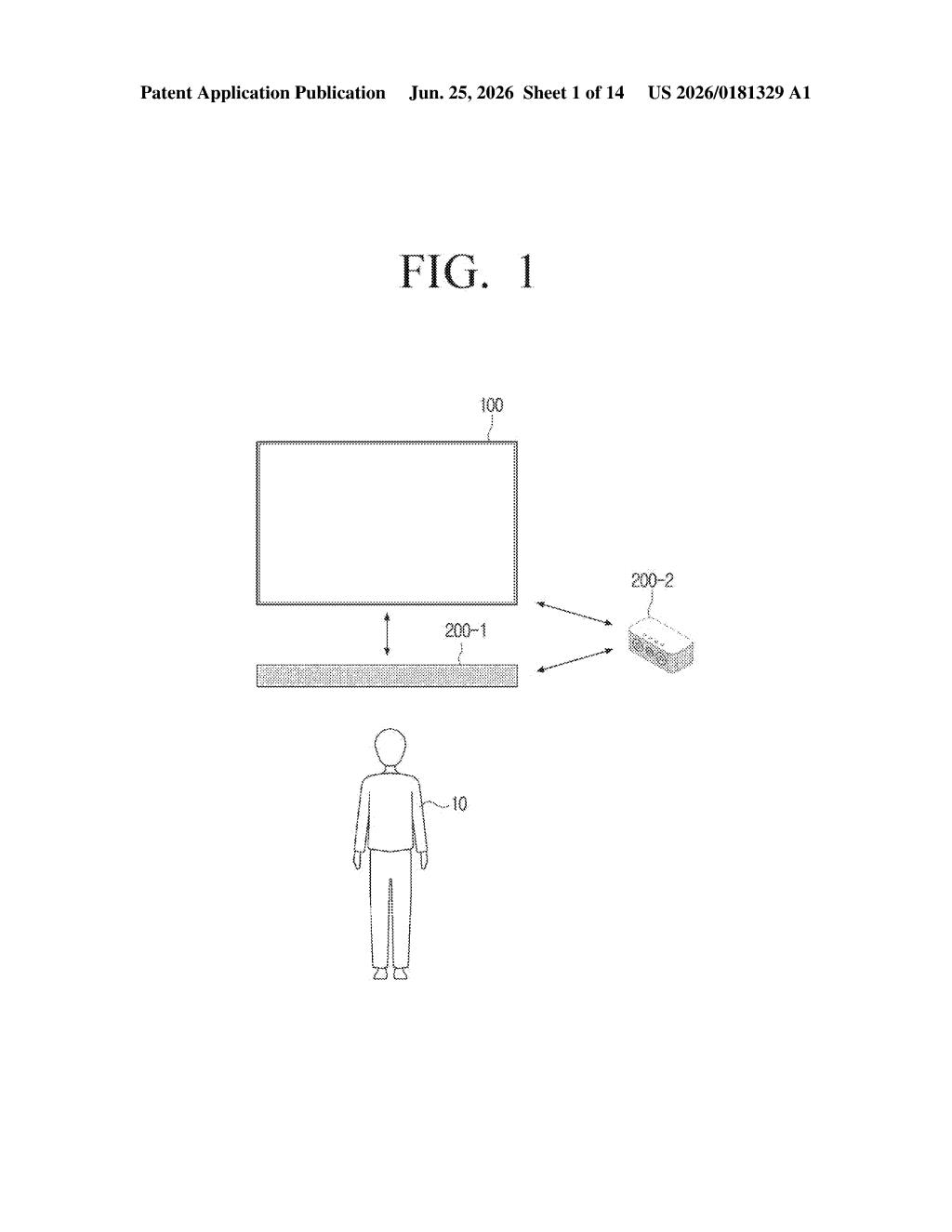
What Samsung's multi-device audio splitting actually does
Imagine you have a Samsung TV, a soundbar, and a Galaxy phone all in the same room. Right now, if you wanted them all to play audio together, they'd either all play the same thing or you'd have to set everything up manually. Samsung's patent describes a different approach: the devices talk to each other, figure out who should play what, and then each one handles its assigned part of the audio.
So instead of every device playing a full stereo mix, one might handle bass, another handles vocals, and a third handles surround effects. The system even adjusts on the fly if one device gets turned off or a new one joins the group.
Think of it like a small orchestra where each instrument has its own part, except the conductor is your TV automatically handing out sheet music the moment a new player walks in the room.
How devices negotiate roles and divide the audio track
The patent describes a lead device (the audio output apparatus) that takes charge when it detects other compatible devices nearby. It reads capability information from each device, then assigns every participant a role, essentially deciding which portion of the audio that device is responsible for.
Once roles are set, the lead device divides the audio content into multiple audio elements. These elements could correspond to different frequency ranges, audio channels (like left, right, center, subwoofer), or other logical splits. Each device receives only the audio element matching its assigned role and plays that portion in sync with the others.
The clever part is the adaptive layer. The patent specifies that if the state of any device changes (a device powers off, a new one connects, or signal quality drops), the system automatically recalculates roles and redistributes the audio elements. No manual reconfiguration required.
- Lead device scans for connected external devices and reads their specs
- Roles are assigned based on each device's capabilities and stored information
- Audio content is divided and each piece is sent to the matching device
- The whole arrangement reconfigures automatically when any device's status changes
What this means for Samsung's speaker and TV ecosystem
Samsung sells a wide range of audio-capable hardware, from Galaxy phones and tablets to soundbars, smart TVs, and Galaxy Buds. A system like this could turn any collection of Samsung devices in a room into an impromptu multi-channel audio setup without requiring a dedicated home theater receiver or manual configuration. For consumers, that means better sound from hardware you already own.
The adaptive role-reassignment piece is what separates this from basic Bluetooth multipoint audio. If your phone's battery dies mid-movie, the remaining devices don't just go silent or fall back to mono. The system redistributes the audio load and keeps playing. That kind of resilience is useful and not trivial to build.
This is a practical, well-scoped idea from Samsung that addresses a real friction point: getting multiple speakers to do something more useful than all playing the same thing. The adaptive reconfiguration on device-state changes is the genuinely interesting part, and it fits neatly into Samsung's existing push to make its devices work better as a connected ecosystem. It's not flashy engineering, but it's the kind of patent that ends up in a firmware update.
There are more where this came from
We read every patent application Big Tech publishes and send you the ones worth knowing. Plain English, free, every week.
Want this weekly breakdown for a company we don't cover? Patentlyze Pro →