
Sony Patents a Tile-Based Windshield Dimming System for In-Car HUDs
Heads-up displays on windshields have always had a glare problem — the real world bleeds through projected text and graphics. Sony's new patent tackles that by dimming only the exact patches of glass where an image is being shown, leaving the rest perfectly clear.
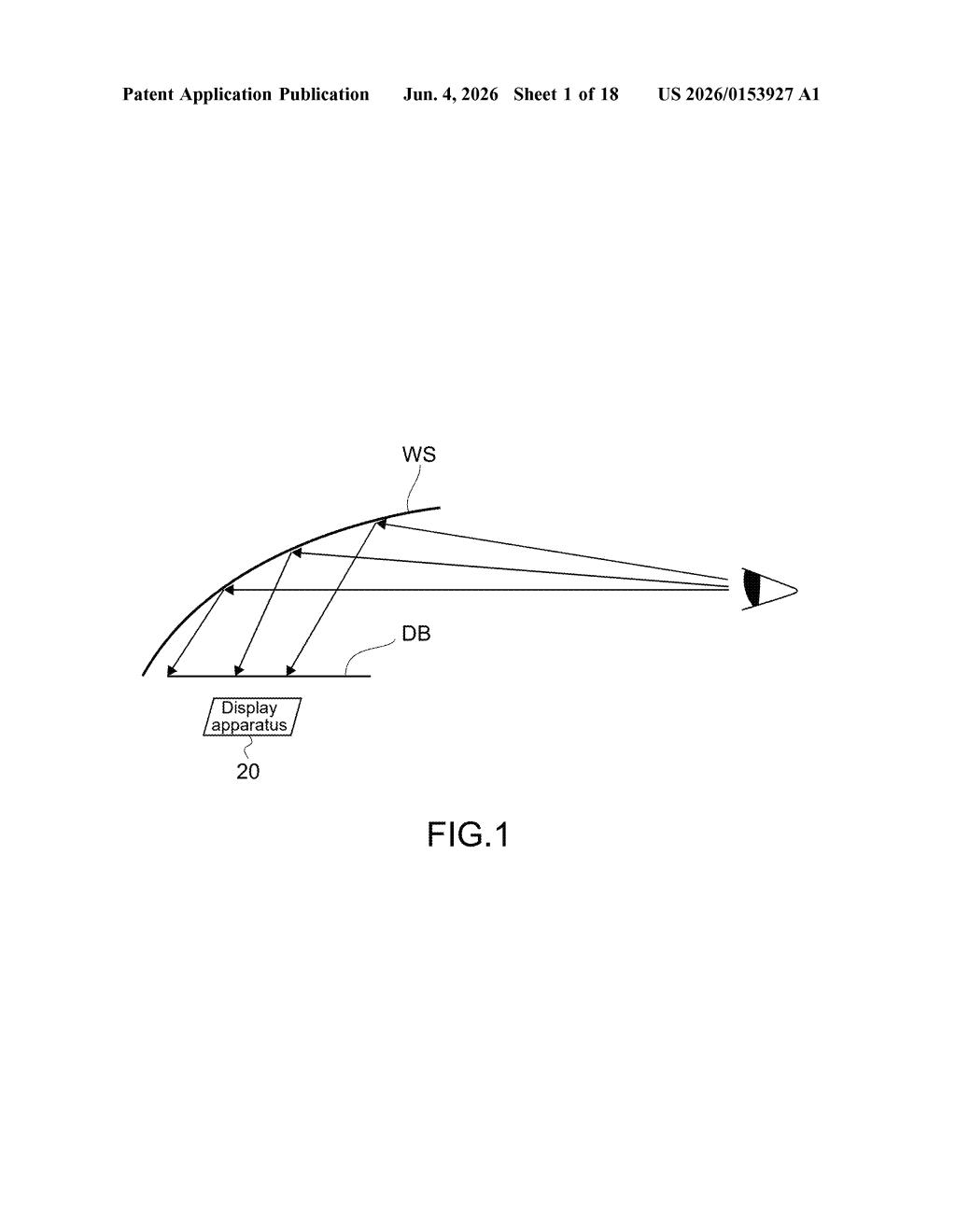
What Sony's tile-by-tile windshield dimmer actually does
Imagine driving toward a bright sunrise while your car's heads-up display tries to show you navigation arrows and speed data on the windshield. Right now, that information can wash out completely because the glass is equally transparent everywhere — there's nothing blocking the glare behind the projected image.
Sony's patent describes a windshield (or other transparent screen) that's divided into a grid of small tiles, each one controlled by its own independent dimmer. When your HUD projects an image, the system figures out exactly which tiles the image lands on — and only darkens those tiles, leaving the rest of the windshield fully clear.
Critically, it doesn't apply a one-size-fits-all dimming level. It looks at what's being displayed and what's happening in the background behind that specific patch of glass — a bright sky, a dark tunnel, a street — and adjusts each tile's opacity accordingly. The result is that HUD content stays legible without unnecessarily blocking your view of the road.
How the system maps image tiles to dimming elements
The patent describes a display dimming control apparatus built specifically for automotive HUD systems. The core idea is that a transparent screen — think a windshield or a dedicated HUD panel — is virtually divided into a grid of tiles, with each tile controlled by an independent dimming element (likely an electrochromic or liquid-crystal layer that can go from clear to tinted on demand).
The system has two main processing components:
- A display image generator that tracks the physical position of the projector inside the dashboard and calculates exactly where on the screen the projected image will land — the screen display position.
- A dimming processing controller that uses that position data to identify which tiles fall under the projected image, then sets a dimming level for each one individually.
The dimming controller pulls in two data streams to make its decisions. Image information describes the content being projected — its brightness, color, and contrast. Background information describes what's visible through the windshield in that specific zone — bright sky, shadowed building, oncoming headlights. Each tile's dimming level is independently calculated from the combination of those two inputs.
The result is localized, content-aware opacity control: only the tiles actually carrying projected image content get darkened, and the degree of darkening is tuned per-tile based on real-time ambient conditions behind that section of glass.
What this means for automotive HUD readability
For automotive HUDs, readability has always been a trade-off with transparency. Blanket dimming solutions that darken the whole screen degrade your forward view of the road — a real safety concern. Tile-based dimming sidesteps that entirely: only the pixels carrying navigation or ADAS data get their background dimmed, while the rest of your windshield stays fully see-through.
Sony has been investing in automotive display technology, and this patent fits squarely into the push for next-generation HUDs that can make augmented-reality overlays — speed limits, lane markers, hazard alerts — actually readable in all lighting conditions without compromising driver visibility. If this approach makes it into production, it could meaningfully raise the bar for what in-car HUDs can display in harsh lighting.
This is a genuinely practical engineering problem that anyone who's driven toward a rising sun with a HUD active will immediately recognize. The tile-based approach is clever because it keeps the safety trade-off honest — you're not dimming the whole windshield, just the patches where the image actually lives. Whether Sony ships this in its own display hardware or licenses it to automakers is the interesting question.
There are more where this came from
We read every patent application Big Tech publishes and send you the ones worth knowing. Plain English, free, every week.
Want this weekly breakdown for a company we don't cover? Patentlyze Pro →