Latest cybersecurity patents, Page 21
Fraud detection, encryption, sign-in and privacy controls from Microsoft, Google, IBM, Apple and others. The cybersecurity and privacy patent applications we have broken down from the companies we track, newest first.
- in the Nov 12 release
- 8
- in November so far
- 27
- filings tracked
- 341
- last 90 days
- 143
Recent filings
Newest first · 341 total-
AMD · Published Jun 18
AMD Patents a Circuit That Locks GPU Memory Behind Per-Request Encryption Keys
AMD is filing patents on one of the trickiest problems in cloud computing: making sure the data your GPU processes stays encrypted even from the people running the server it's sitting on.
-
AMD · Published Jun 18
ATI Technologies Patents a Hardware System That Keeps Streaming Rights Locked Inside the Chip
Every streaming service has its own content-protection system, and right now keeping those systems from interfering with — or leaking into — each other is mostly a software problem. ATI Technologies wants to solve it in silicon instead.
-
AMD · Published Jun 18
AMD's New Patent Stops a Single Broken Chip Sensor from Faking a Clean Bill of Health
A single broken sensor quietly giving wrong answers is one of hardware security's oldest problems. Xilinx's new patent tackles it by making sure no single checker ever has the final word.
-
Sony · Published Jun 18
Sony's New Patent Keeps Your Body Movement Data on Your Device
Your body movements are surprisingly personal data. Sony is patenting a way to transmit a compressed 'fingerprint' of that motion — rather than the raw recording — so the full movement data never has to leave your device.
-
IBM · Published Jun 18
IBM's New Patent Replaces CAPTCHAs With a Live Video Test to Spot Bots
Forget ticking boxes of traffic lights — IBM's latest patent describes a live video call where an AI watches you complete physical tasks in real time, then scores whether you're a human or a bot.
-
IBM · Published Jun 18
IBM's New Patent Moves Malware Scanning Off the Main Server to a Dedicated Device
IBM wants to take the heavy lifting of malware scanning off your main server and hand it to a dedicated storage device — one built specifically to hunt for threats without slowing down everything else.
-
Microsoft · Published Jun 18
Microsoft's New Patent Stops Corporate Security from Forgetting a Repaired Device
Every time a technician swaps a motherboard or replaces a hard drive, the device can look like a completely different machine to corporate security systems. Microsoft's new patent tries to fix that automatically.
-
Microsoft · Published Jun 18
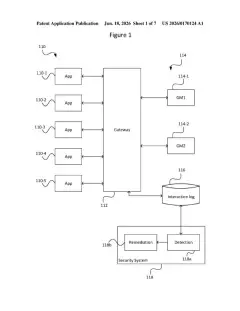
Microsoft's New Patent Fights Hackers Who Hide Attacks Inside AI Chatbot Instructions
Every time you send a message to an AI chatbot, you're also sending hidden instructions the app set up in advance — and attackers have learned how to hijack those instructions. Microsoft's new patent is aimed squarely at that problem.
-
Microsoft · Published Jun 18
Microsoft's New Patent Watches How You Move to Decide If You've Agreed to Be Tracked
Instead of burying a consent checkbox in a terms-of-service screen, Microsoft's new patent describes a system that watches how you physically move through a space — and treats your behavior as your answer to 'do you agree to be tracked?'
-
Google · Published Jun 18
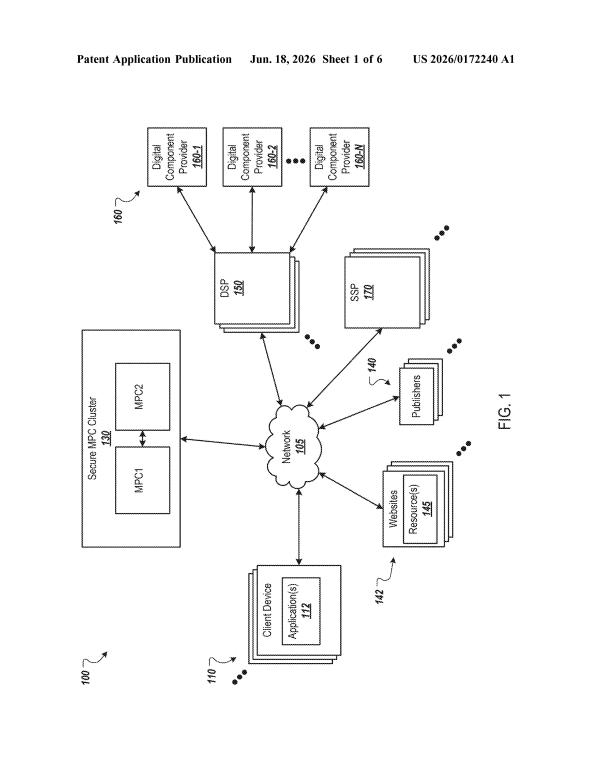
Google's New Patent Fills Every Ad Slot on a Page Without Exposing Who You Are
Google is patenting a way to fill every ad slot on a page in a single trip — without any one server ever seeing the full picture of who you are. It's a notable engineering answer to one of the ad industry's biggest post-cookie headaches.
-
Google · Published Jun 18
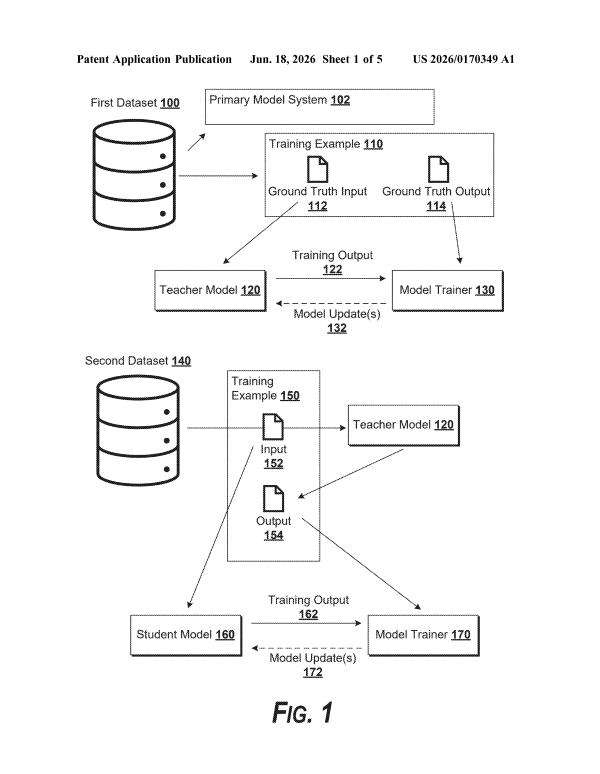
Google's New Patent Stops Attackers from Poisoning Its AI with Bad Data
If you can figure out exactly what data an AI was trained on, you can feed it carefully crafted junk to break it. Google's new patent is designed to make that kind of attack a lot harder.
-
Google · Published Jun 18
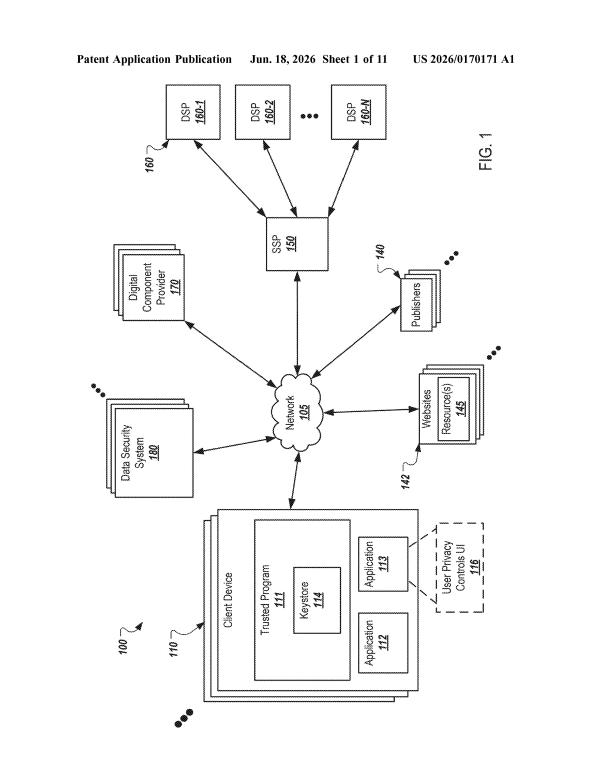
Google's New Patent Hides Your Real Identity Every Time a Website Asks for It
Every time you hand your email to a news site to read an article, that publisher can potentially link your identity to ad networks and data brokers. Google's new patent describes a system that intercepts that moment and replaces your real identity with a cryptographically scrambled token — one that looks different to every platform that sees it.