Latest cybersecurity patents, Page 22
Fraud detection, encryption, sign-in and privacy controls from Microsoft, Google, IBM, Apple and others. The cybersecurity and privacy patent applications we have broken down from the companies we track, newest first.
- in the Nov 12 release
- 8
- in November so far
- 27
- filings tracked
- 341
- last 90 days
- 143
Recent filings
Newest first · 341 total-
Google · Published Jun 11
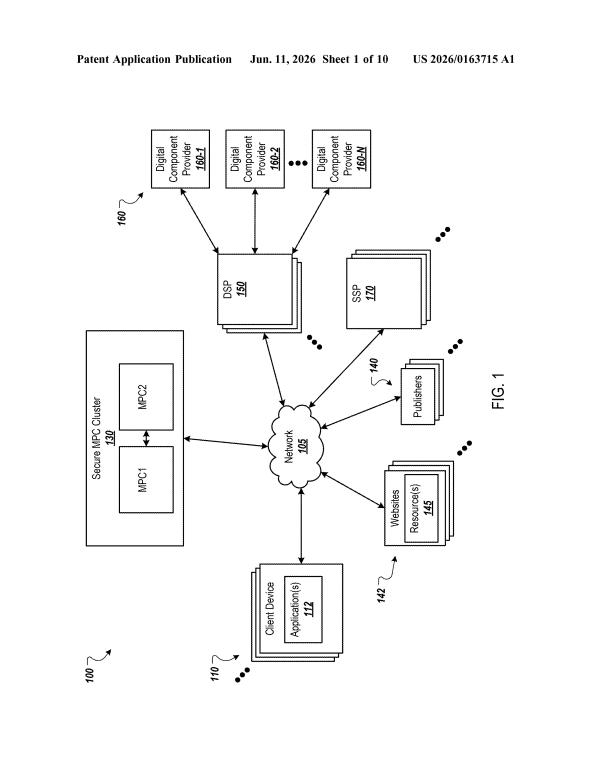
Google Patents Technology to Pick Winning Ads Without Exposing User Data
Every time a webpage loads, an auction determines which ad you see — and that auction typically requires sharing data about you. Google is patenting a system that runs the auction without any single server ever seeing the full picture.
-
Microsoft · Published Jun 11
New Patent Teaches AI to Map Connections Between Malicious Web Apps
Most malware detectors look at apps one at a time. Microsoft's new patent wants to build a relationship map — catching threats by noticing that two sketchy apps share the same suspicious DNA.
-
Samsung · Published Jun 11
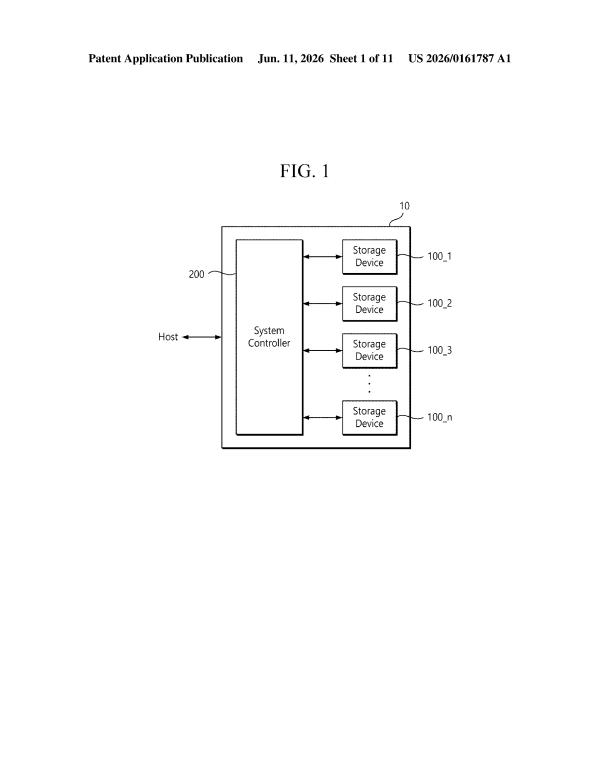
Samsung Patents a Storage System That Baits and Slows Ransomware Attacks
What if your hard drive could catch ransomware in the act — not by recognizing it, but by letting it stumble into a trap? That's the idea behind Samsung's latest storage patent.
-
Samsung · Published Jun 11
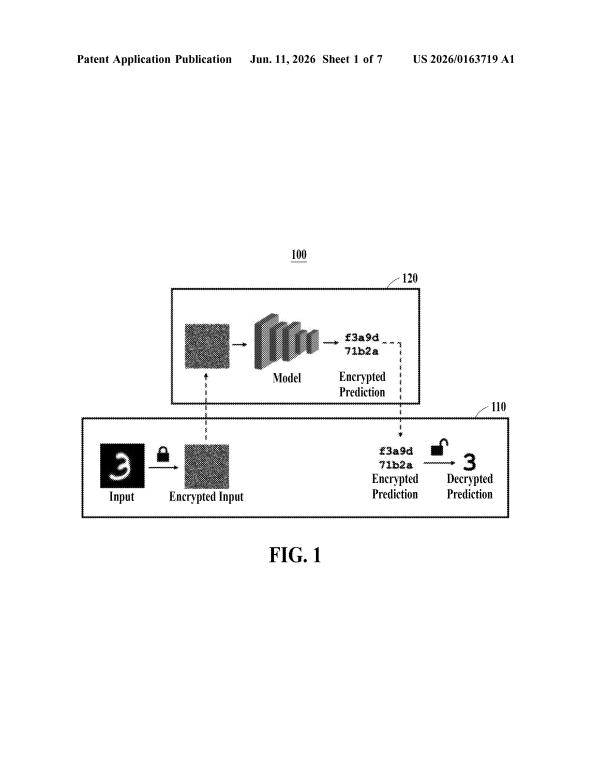
Samsung Patents a Way to Run AI Queries Without the Server Ever Seeing Your Data
What if you could ask an AI a question and the server answering it never actually saw what you asked? That's the core idea behind Samsung's latest patent — and it's a surprisingly elegant solution to one of AI's most persistent privacy problems.
-
IBM · Published Jun 11
IBM Patents a System That Scrubs Sensitive Chat History Before New Users Can See It
Ever scrambled to delete a message before someone with the wrong clearance level joined a work call? IBM is patenting a system that does that automatically — before the new person even arrives.
-
Qualcomm · Published Jun 11
Qualcomm Patents a Phone That Fakes Out Wireless Surveillance Sensors
Your phone could one day detect that someone nearby is using radio waves to track your movements — and automatically lie to them about where you are and what you're doing.
-
Nvidia · Published Jun 4
Nvidia Patents a Way to Lock Encryption Keys Where Apps Can Never Reach Them
Nvidia is filing patents around a cryptographic architecture where an app can encrypt or decrypt data without ever seeing — or even knowing — the actual key it's using. The whole key management layer lives inside a hardware-isolated environment the app can't touch.
-
Microsoft · Published Jun 4
Microsoft's New Patent Wants to Connect Every Known Hacker, Malware, and Attack Into One AI-Readable Map
Imagine every known hacker group, malware strain, and attack technique connected in a single web — and an AI that can read that web and explain what any one node means in plain English. That's essentially what Microsoft is building here.
-
Google · Published Jun 4
Google's New Patent Stops Apps from Hearing Your Mic Until You Actually Trigger Them
Google is patenting a way to let your phone listen for a trigger word or sound — without giving any app access to the raw audio until something actually happens. It's a privacy-first architecture for always-on sensor features.
-
Microsoft · Published May 28
Microsoft Patents an AI That Shuts Down Cyberattacks Without Waiting for a Human
Microsoft is patenting an AI model that doesn't just flag cyberattacks — it automatically disables the accounts, devices, and services involved, then uses what it learned to get better at stopping the next one.
-
Microsoft · Published May 28
Microsoft's New Patent Hunts Down Aging Code Before Attackers Find It
Old, unmaintained code is one of the most reliable ways for attackers to get a foothold in cloud infrastructure. Microsoft is patenting a system that hunts down that code automatically — and politely forces someone to do something about it.
-
Amazon · Published Jun 4
Amazon Patents Delivery Labels That Hide Your Address From the Package
What if your name and home address never appeared on a shipping label at all — and only revealed themselves to the delivery driver's device when the truck was already close to your door? That's the core idea in this Amazon patent.