What the filings show
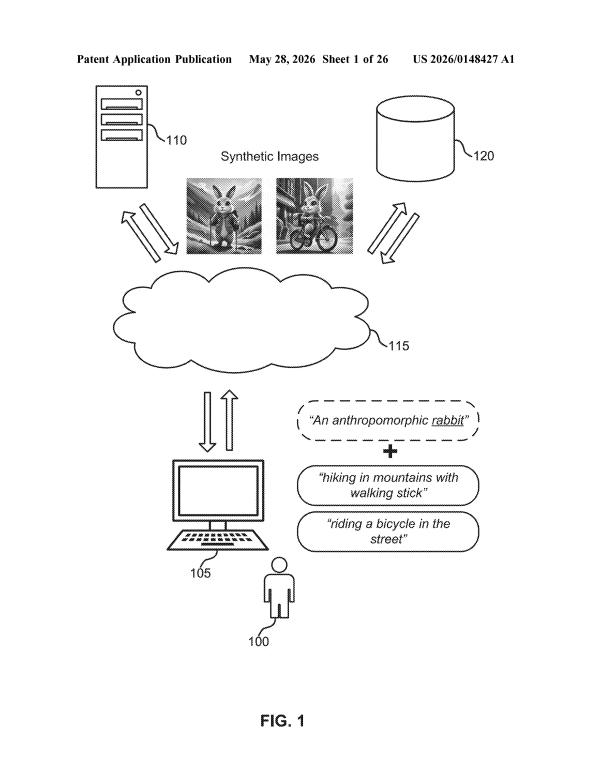
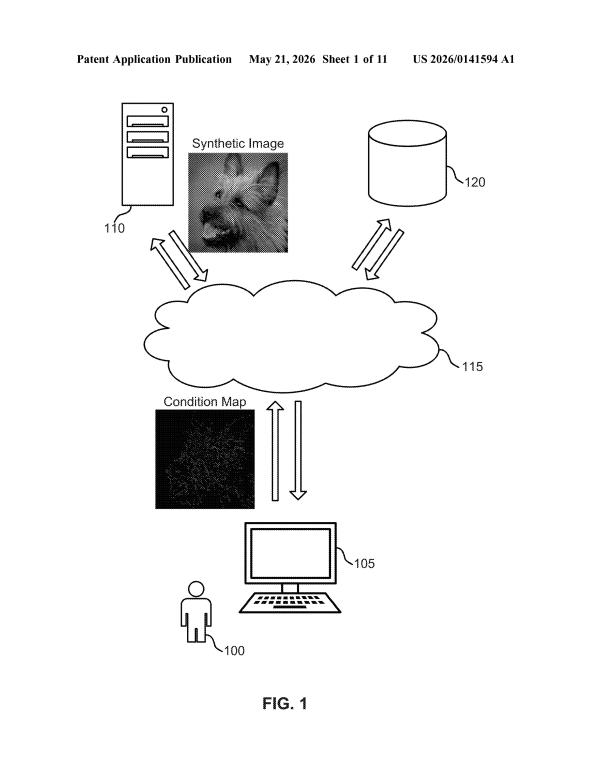
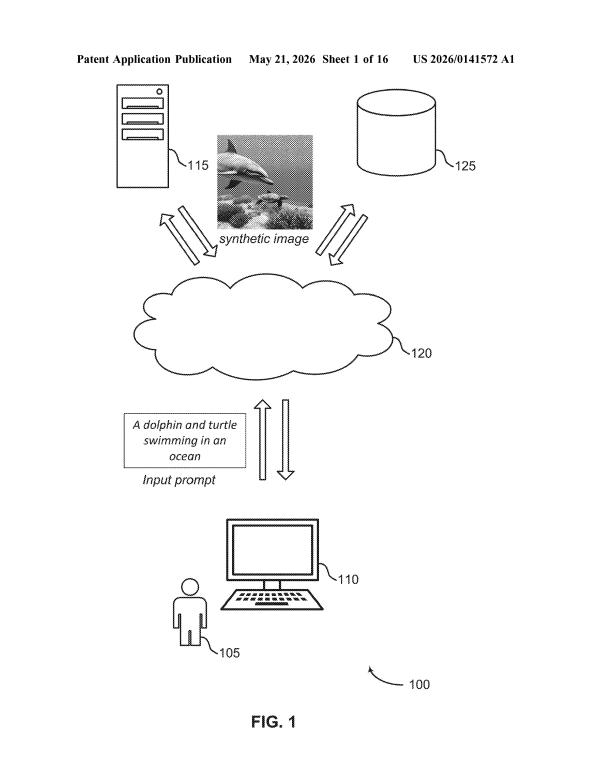
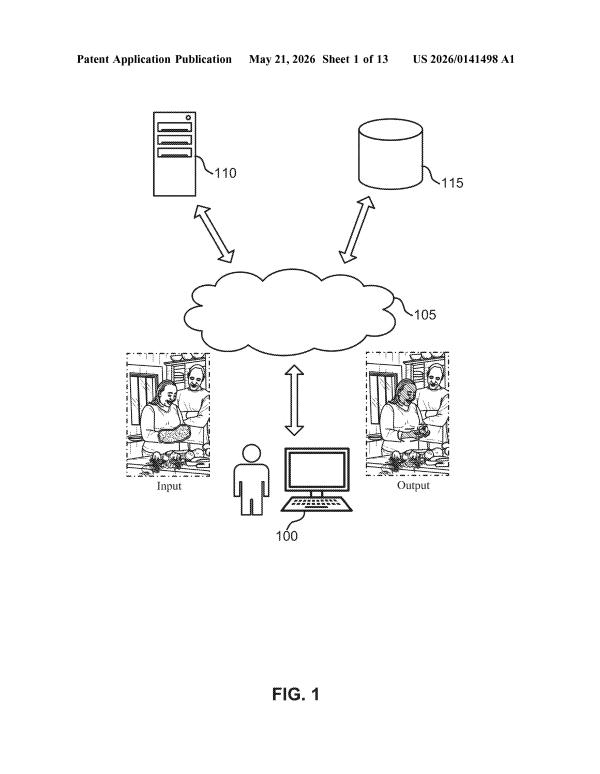
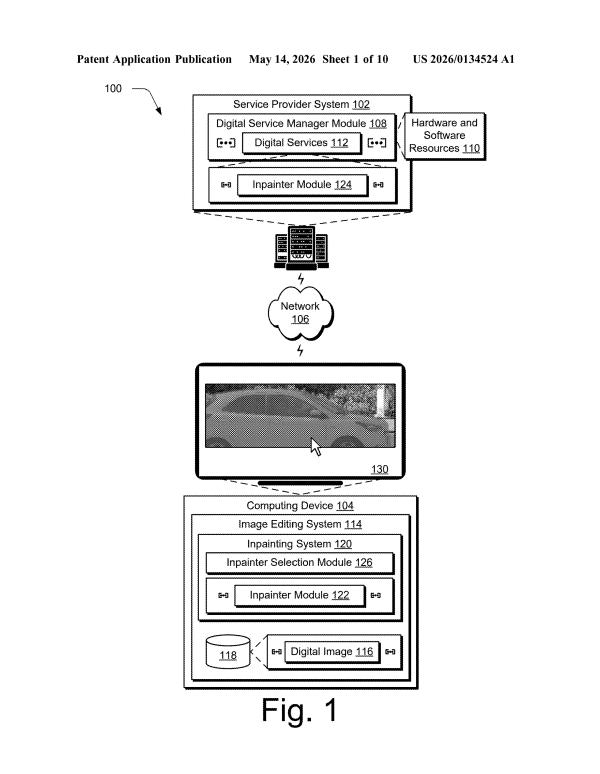
A good chunk of the filings target spatial accuracy: teaching an AI to read a scene's complexity before inpainting, to follow a condition map that lays out where objects and structures should go, and to stop mixing up placement instructions like 'ball on the left, cube on the right.' A separate two-pass inpainting patent aims squarely at fill quality, suggesting Adobe sees gaps between what a user asks for and what the model paints as a recurring failure worth multiple patched approaches.
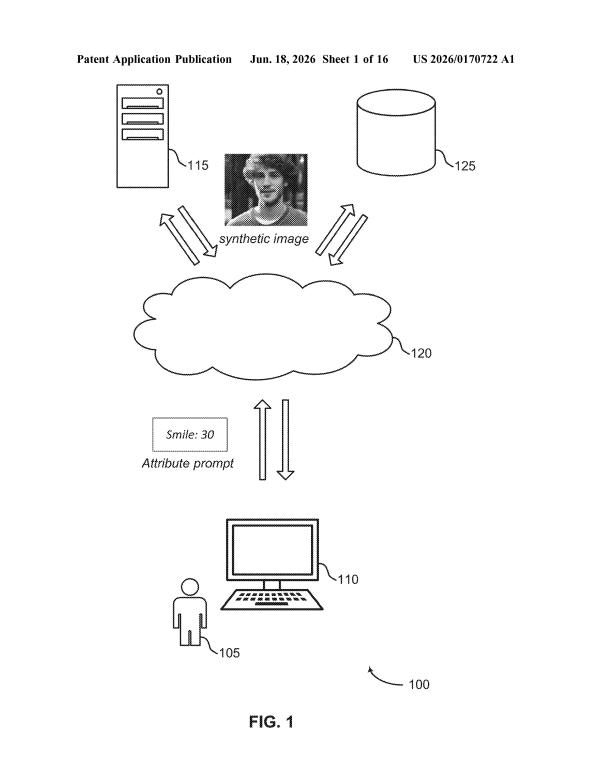
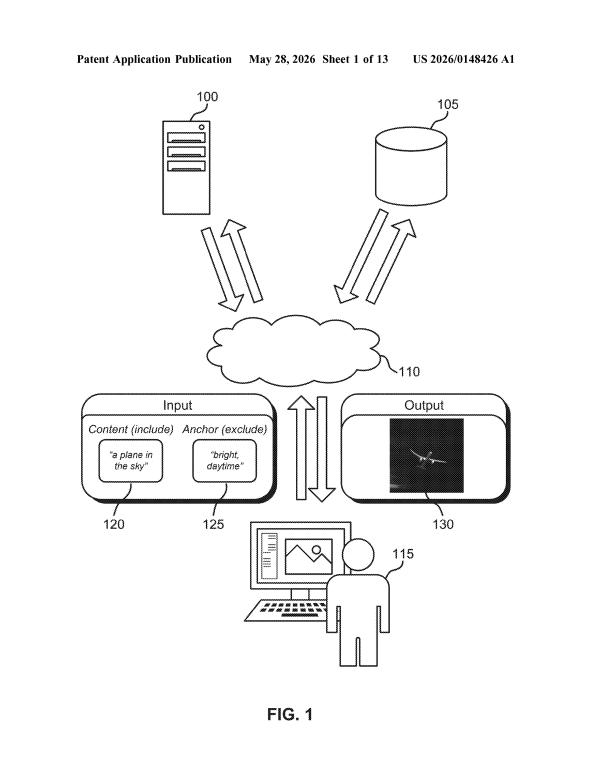
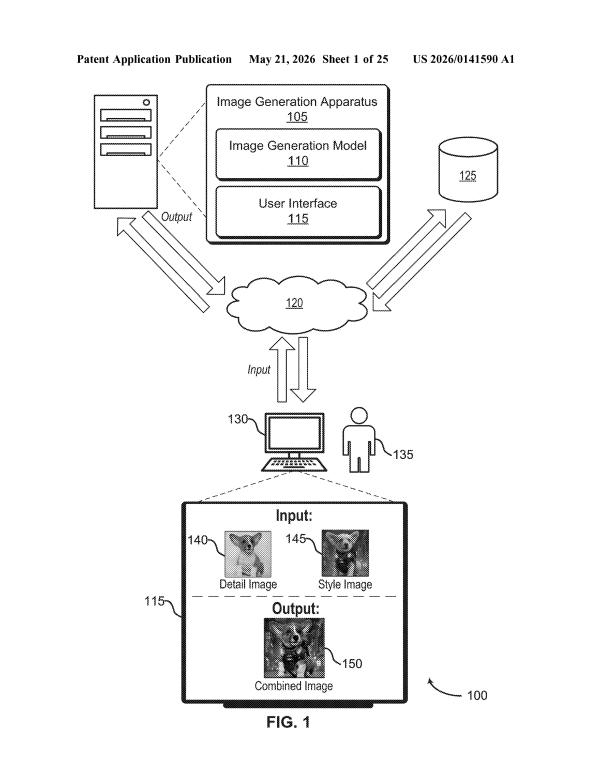
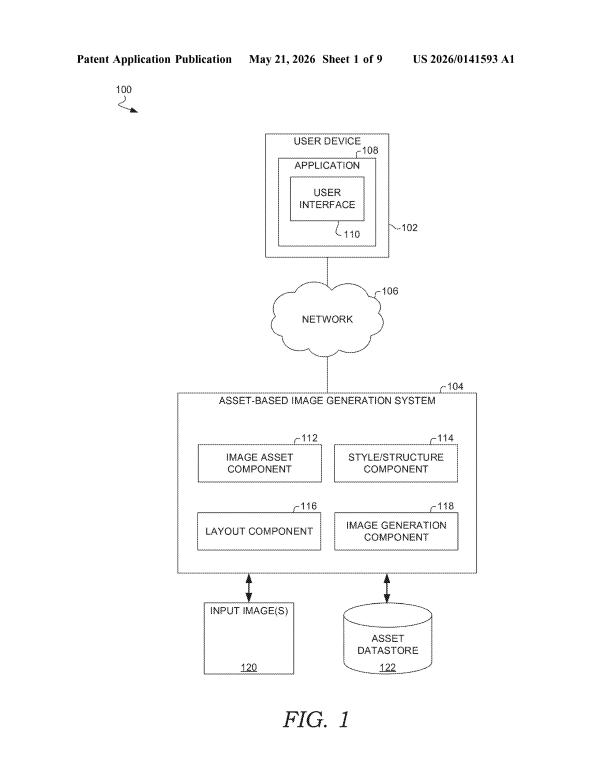
Another cluster focuses on identity and style control: merging a subject from one image with the style of another, keeping a brand's visual identity intact across generations, and holding a character's look consistent from scene to scene. A dual-attention patent for negative prompting and a slider system for dialing in exact attributes both push the same idea further, giving users precise levers instead of vague text prompts to nudge results toward what they actually meant.
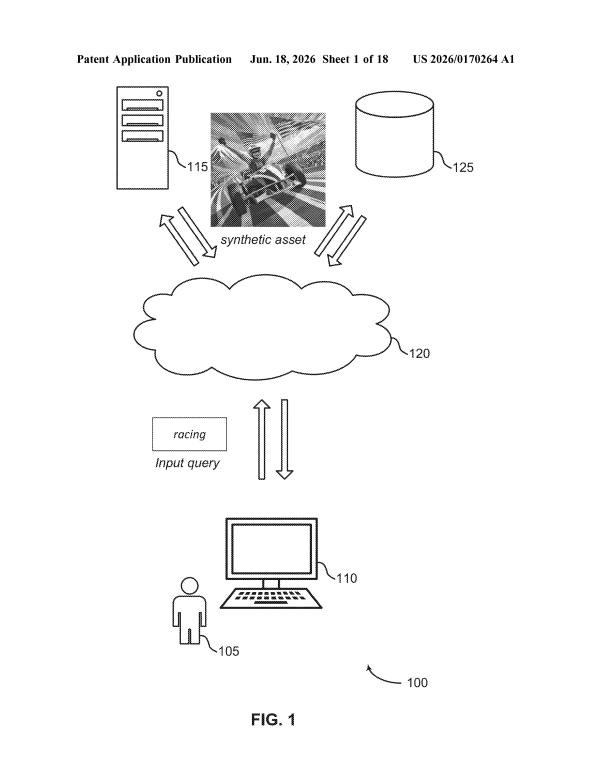
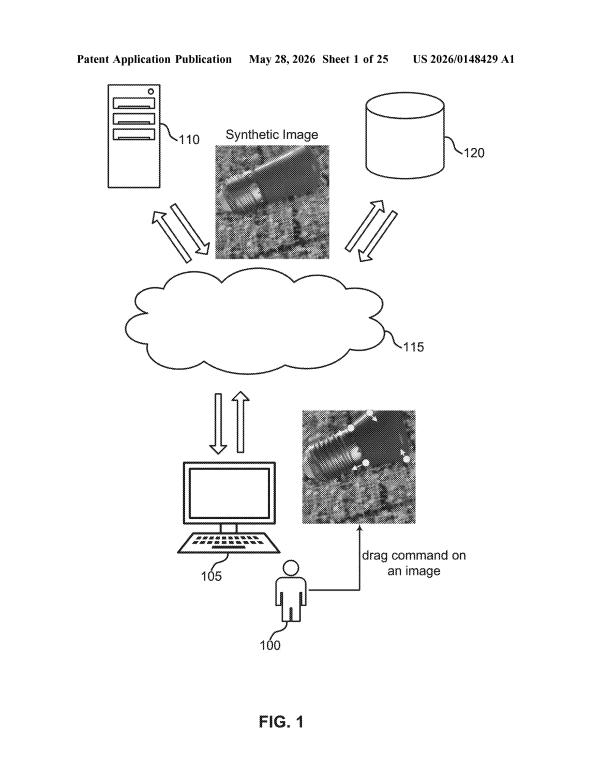
There's also a thread on making control easier to use in the first place, from an AI that drafts prompts for you to a drag-to-transform editor that lets you reshape part of an image directly. Read together, the filings look like Adobe building a layered toolkit: spatial structure, identity consistency, and simpler interfaces, all aimed at making AI output match intent rather than surprise the user. Expect new entries to keep refining one of these three layers.
Questions readers ask
Does this mean Adobe is about to release new AI image editing features?
Not necessarily. These are patent filings, which show what Adobe's engineers are researching and protecting, not confirmed product plans. Some ideas here, like slider controls or drag-to-transform editing, may show up in Photoshop or Firefly, but patents describe possibilities, not promises.
Why does Adobe keep patenting ways to control AI image generation instead of just making better generators?
Across this batch, Adobe's filings emphasize predictability over raw image quality: making sure structure, style, and brand identity come out the way the user intended. That suggests Adobe treats control as central to a usable creative tool, not a secondary feature.
What problem do these Adobe patents keep coming back to?
A recurring theme is getting AI output to match what a person actually specified, whether that's object placement, a brand's visual style, or a character's look across scenes. Several filings also target the inpainting and fill process itself, suggesting mismatched results are a persistent frustration Adobe keeps trying to solve from different angles.
Is this list of patents complete?
No. This is a living tracker that adds new Adobe filings on controllable AI image generation as they turn up, so the collection keeps growing over time and never settles into a fixed, final set of patents.