
New AMD Patent Tracks Gamer Emotions to Improve Gameplay
AMD has filed a patent for a system that watches your facial expressions and tracks your heart rate while you play, then uses that data to suggest changes to how you're playing — essentially a mood-aware game coach built into your PC.
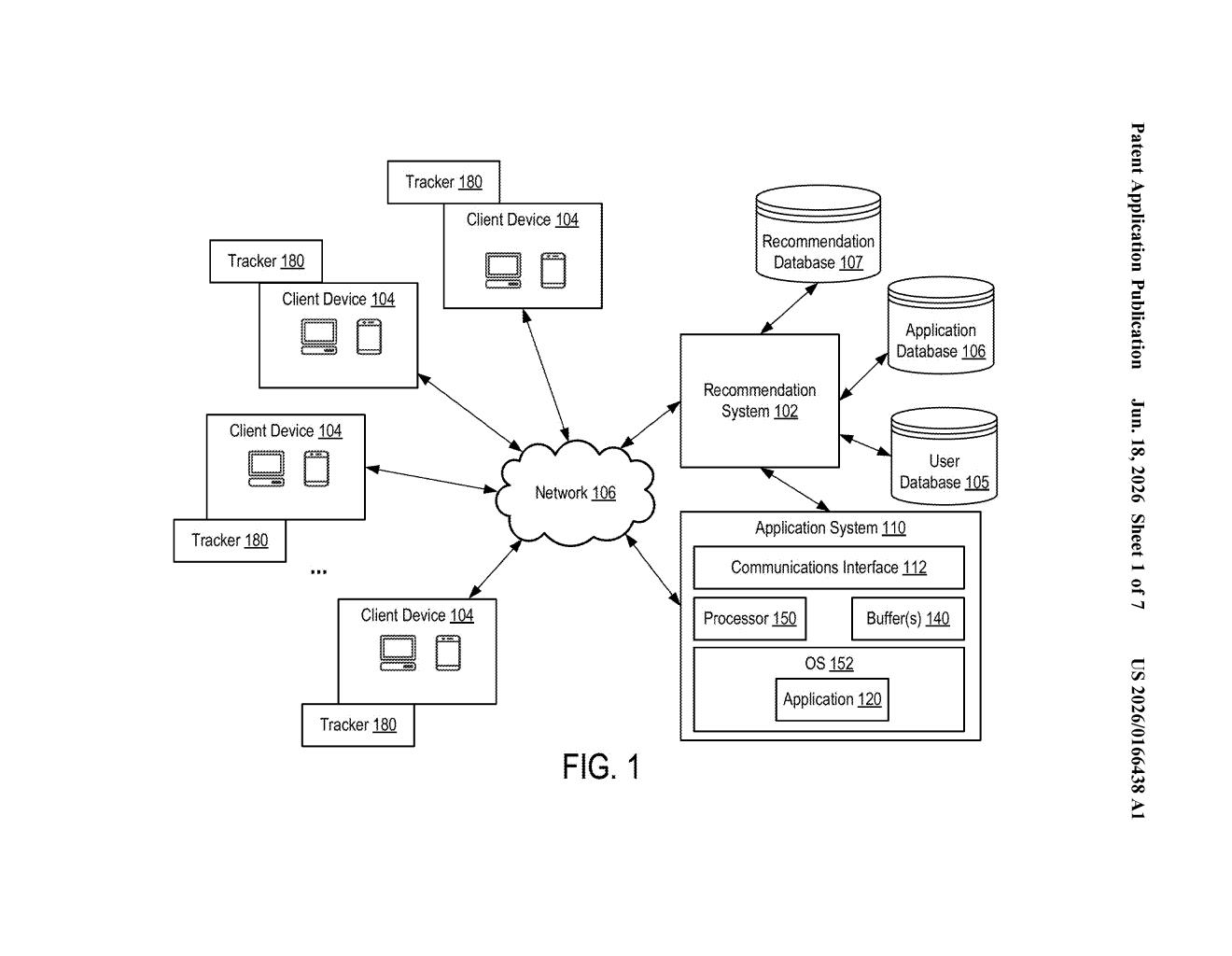
What AMD's emotion-reading game coach actually does
Imagine you're stuck on a boss fight for the fifth time. You're frustrated — maybe your heart rate is up, your brow is furrowed — but the game has no idea. It just keeps going. AMD's new patent describes a system designed to fix exactly that.
The idea is to use your device's camera and any connected health gadgets (think a fitness band or heart rate monitor) to track how you're feeling emotionally during a gaming session. The system watches what's happening on screen at the same time, then connects the dots: when this kind of event happens in the game, you feel this way.
Once the session ends, the system analyzes those connections and generates gameplay recommendations — suggestions for how to play differently in ways that might lead to a better emotional experience. If dying to a certain enemy always spikes your stress, for example, it might suggest a different approach before you hit that wall again.
How AMD links biometric signals to in-game events
The system operates in two phases: data collection during a gaming session, and analysis after it ends.
During gameplay, the system monitors two streams simultaneously:
- Video data — both the gameplay footage itself and a camera feed pointed at the player's face
- Biometric data — signals from connected wearables like heart rate monitors or other sensors
When the session ends, the system computes emotional state data — a structured read of how the player felt at various moments — using the facial expressions captured on camera combined with the biometric signals. It also identifies specific in-game events (deaths, victories, encounters, choices) by parsing the gameplay video.
The core step is correlation: the system maps which in-game events triggered which emotional states. From that map, it generates recommendation data — concrete suggestions for gameplay changes that, based on prior sessions, are associated with more positive emotional outcomes.
The first independent claim makes it clear the system is generalized: it's not limited to a single event type. It can detect that a first kind of event tends to produce a negative emotional state, then recommend actions likely to produce a different outcome tied to a better mood.
What this means for the future of adaptive gaming software
For players, a system like this could feel like having a coach who actually knows when you're burning out — not just when you're losing. Current games track your win/loss record, but they have no idea whether you're having fun or spiraling into frustration. AMD's approach would let software respond to the emotional reality of how you're playing, not just the statistical one.
For AMD, this fits a broader push to make its graphics and compute hardware relevant beyond raw performance. A mood-aware layer built into AMD's software ecosystem — the kind of thing that could live alongside its existing Radeon or Adrenalin software — would give the company a platform angle, not just a chip angle. Whether that's a realistic product or a long-range research bet is hard to say, but the direction is clear.
This is a genuinely interesting patent because it targets something real: the gap between what games know about you (your score) and what would actually make them better (how you feel). The biometric angle is the tricky part — players would have to opt into real-time facial and physiological monitoring, which is a meaningful privacy ask. But as a concept for adaptive difficulty or personalized coaching, the underlying idea has legs.
There are more where this came from
We read every patent application Big Tech publishes and send you the ones worth knowing. Plain English, free, every week.
Want this weekly breakdown for a company we don't cover? Patentlyze Pro →