
Samsung Patents a Radar System That Watches Your Body Movements Without a Camera
Samsung is working on a system that can figure out what you're doing, whether you're waving, falling, or exercising, using radar signals instead of a camera, so nothing about you is ever actually photographed.
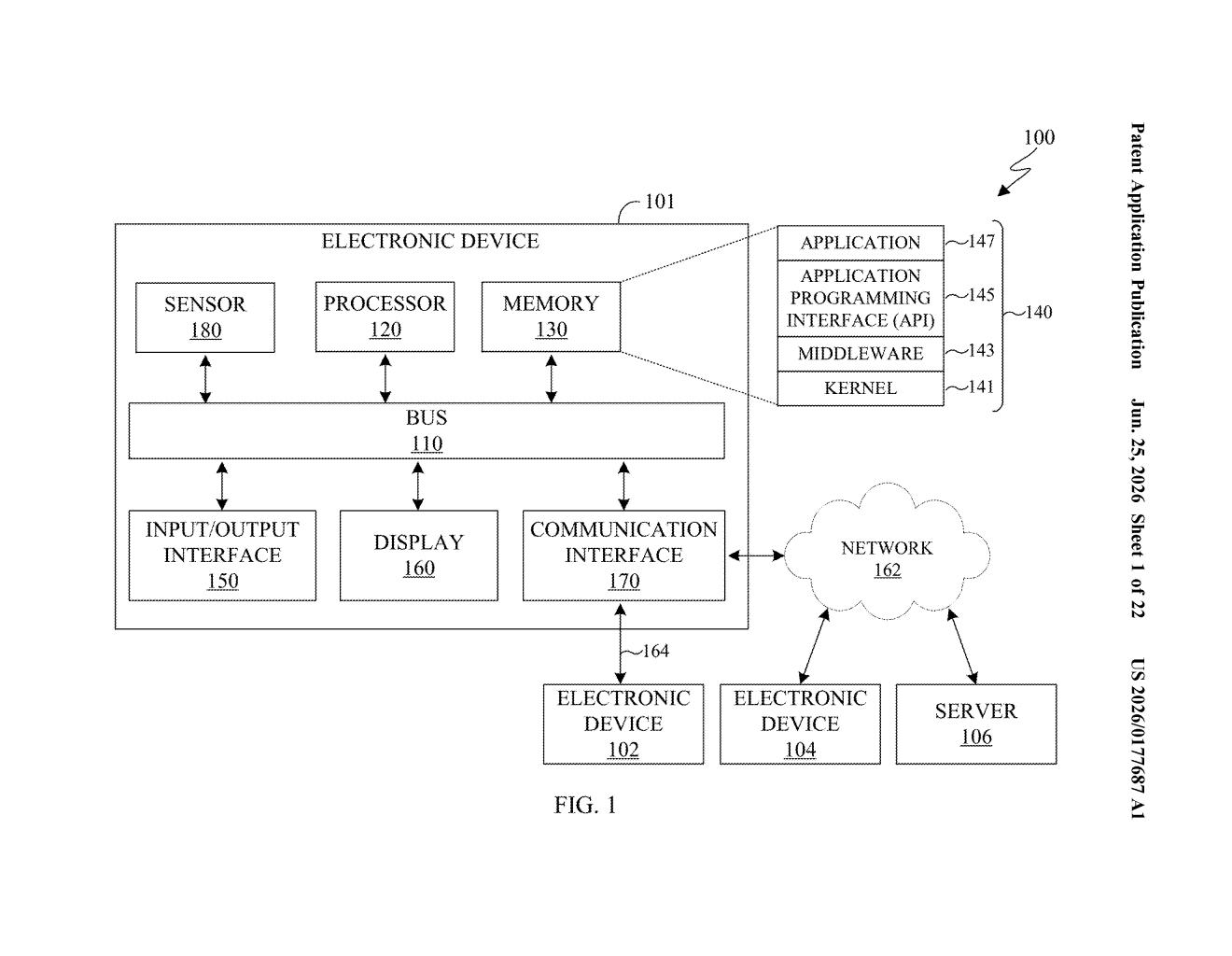
How Samsung's radar reads your body without seeing you
Imagine your phone or smart home hub could tell you'd just fallen over, or recognize that you're doing jumping jacks, without any camera pointed at you. That's the basic idea behind this Samsung patent.
The system bounces radar signals off your body and uses those reflections to map out where your limbs are and how they're moving over time. An AI model learns the typical way a human body looks in space (where arms tend to be relative to legs, for instance) and uses that knowledge to build a rough picture of your pose from the radar data alone.
Once it has a short sequence of those poses, a second layer of the system figures out what action you were performing and labels it. No images, no video, no face, just the invisible ping of a radar wave and some math.
How the ML pipeline goes from radar pulse to labeled action
The patent describes a two-stage pipeline that converts a continuous radar data stream into a labeled human activity.
In the first stage, the system pulls a set of features out of each incoming radar frame and feeds them into a machine-learning model trained to estimate the human body's pose. That model has learned two things: the typical spatial relationships among body parts (how your elbow usually sits relative to your shoulder) and how those relationships change over time across multiple frames. The output is a snapshot of where each key body part is at that moment.
In the second stage, the system collects a rolling buffer (a queue) of recent frames. It then segments that buffer into "activity" frames, the portion where real movement is happening, versus "non-activity" frames, using motion cues extracted from the queue. This segmentation step is important: it isolates a single, clean action from the surrounding stillness or noise.
A separate activity recognizer then takes that trimmed sequence of poses and infers a label for the action, something like "sitting down" or "raising an arm." The final output is just that label, not any image or video.
What camera-free body tracking means for Samsung devices
The obvious appeal here is privacy. A radar-based system produces no photographs or video that could be stored, hacked, or misused. That's a genuine selling point for health monitoring in bedrooms or bathrooms, spaces where people would never accept a camera but might accept fall detection or sleep tracking. Samsung already ships radar sensors in some Galaxy devices, so the underlying hardware isn't hypothetical.
For you as a user, this kind of system could eventually power hands-free device control, automatic health alerts if someone in your home falls, or fitness tracking that works through walls and in the dark. The patent focuses on the software and AI side, so whether it shows up in a Galaxy phone, a smart home device, or a wearable is an open question.
This is a genuinely interesting patent because the privacy angle is real, not marketing spin. Radar-based activity recognition sidesteps the camera-consent problem that has held back ambient health monitoring for years. Samsung has the radar hardware and the AI research talent to make this work, and the pipeline described here is specific enough to suggest active development rather than a placeholder filing.
There are more where this came from
We read every patent application Big Tech publishes and send you the ones worth knowing. Plain English, free, every week.
Want this weekly breakdown for a company we don't cover? Patentlyze Pro →