
IBM Patents a Network Threat Detector That Watches How Far Your Data Travels
When something goes wrong on a corporate network, data packets often start taking weird detours. IBM's new patent wants to catch those detours automatically before they become a real problem.
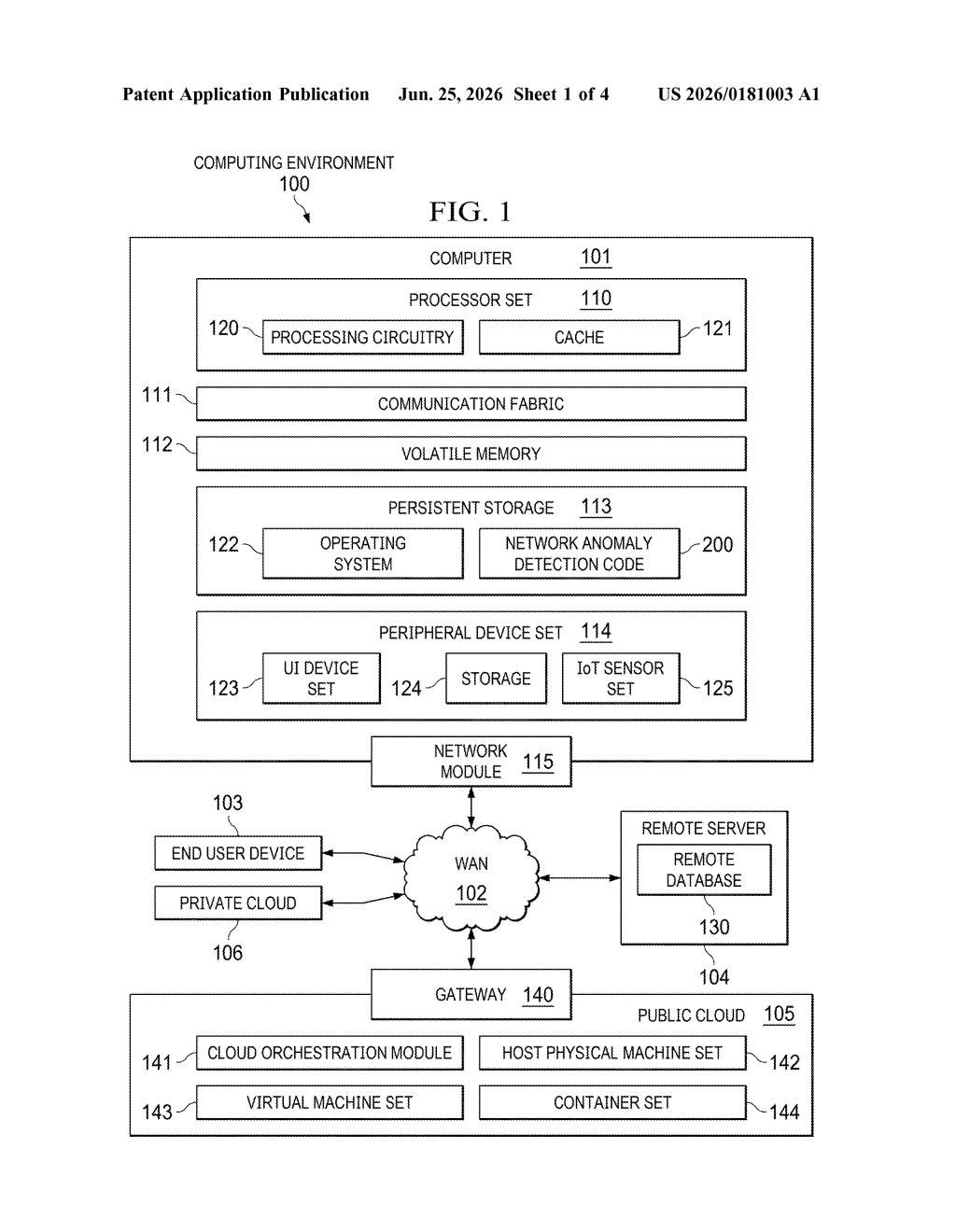
What IBM's packet-hop anomaly detection actually does
Imagine you're driving a package across town and it normally takes three turns to arrive. If one day it suddenly takes twelve turns, something is clearly off. That's the core idea here: IBM is patenting a system that watches how data packets move through a network and raises an alarm when the routes get suspiciously longer or slower than normal.
Every time data travels across a network, it passes through a series of routers or relay points, called hops. The system learns what a normal number of hops and a normal travel time look like, then constantly compares that baseline against live traffic. If the gap between "normal" and "right now" crosses a set threshold, the system flags it as an anomaly.
This kind of monitoring could help IT teams spot problems they might otherwise miss: a misconfigured router, a man-in-the-middle attack, or a failing piece of network equipment that is rerouting traffic through unusual paths.
How IBM measures hop counts against a baseline model
The patent describes a three-step method for automated network anomaly detection.
First, the system builds a baseline model using what the patent calls aggregate representational error data (essentially a learned picture of normal network behavior, including how many hops packets typically take and how long they typically take to arrive). Think of it as the system's memory of what "healthy" looks like.
Second, the system continuously collects live number-of-hops data and average travel time data from actual packet traffic on the network. It then calculates the difference between that live data and the stored baseline.
Third, it compares that difference against a maximum change threshold (a pre-set tolerance level). If the gap exceeds the threshold, the system automatically declares that an anomaly exists. The claim covers this as a general method, which means the underlying technique could run in software on existing network infrastructure.
- Baseline: aggregate representational error data (learned normal behavior)
- Live inputs: hop count and average packet travel time
- Trigger: deviation greater than the defined maximum threshold
What this means for enterprise network security
For enterprise IT and security teams, early detection of routing anomalies is genuinely valuable. Attackers who intercept network traffic often do so by inserting a rogue device into the data path, which inevitably adds hops and increases travel time. A system that flags those changes automatically gives defenders a head start they otherwise wouldn't have.
For IBM specifically, this fits neatly into its security product portfolio, which includes tools like IBM QRadar. A hop-count anomaly signal could feed into a broader security information and event management (SIEM) platform, giving analysts one more data point when investigating suspicious activity on your network.
This is competent but narrow infrastructure security work. The core idea, flagging anomalies by watching hop counts and travel times, is not new territory, and the patent's claims are functional rather than novel-sounding. It's the kind of filing that strengthens IBM's IP position in network security rather than announcing a fresh direction.
There are more where this came from
We read every patent application Big Tech publishes and send you the ones worth knowing. Plain English, free, every week.
Want this weekly breakdown for a company we don't cover? Patentlyze Pro →