
Meta Patent: Wrist Gesture Summons a People-Management Menu Inside Your Headset
Meta is patenting a way for AR glasses to detect when you physically gesture toward another person, by reading the electrical signals in your wrist muscles, and automatically pop up a menu for interacting with them inside the AR world.
What Meta's muscle-reading AR social system actually does
Imagine you're wearing AR glasses at a party and you want to share a photo with someone across the room. Instead of fumbling through menus or speaking a command, you simply reach out toward them. Your glasses notice the gesture and a small control panel appears in your field of view, letting you message, share, or interact with that person.
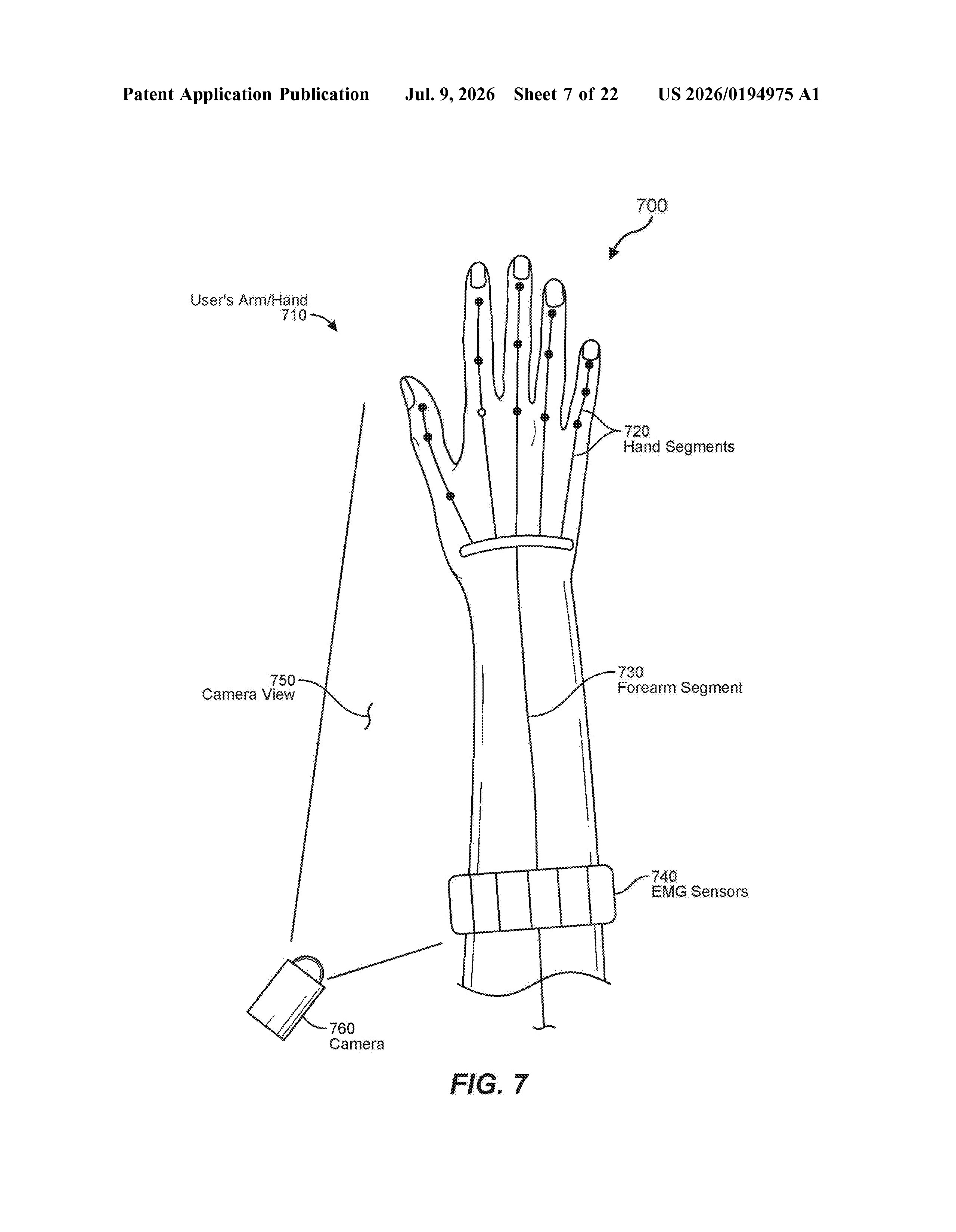
That's the idea behind this Meta patent. A wristband you're already wearing picks up the tiny electrical signals your muscles generate when you move your hand or fingers. The system figures out that your gesture was directed at a specific nearby person rather than thin air, then brings up the right set of controls automatically.
The whole thing is designed so that physical gestures in the real world translate directly into social actions in the extended-reality layer your glasses project over that world. You see real people, but you also see a digital interface tied to them.
How EMG signals trigger the AR control interface
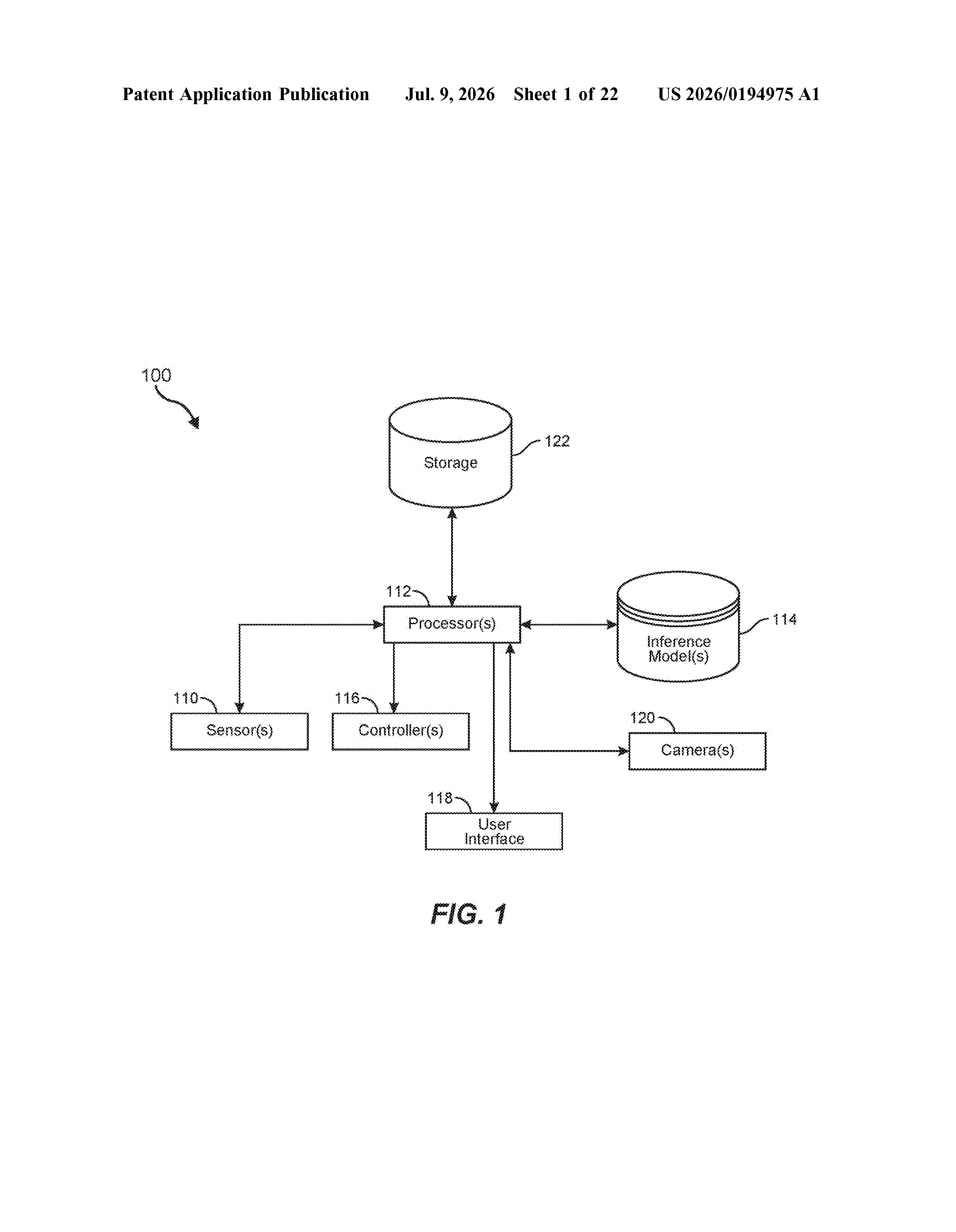
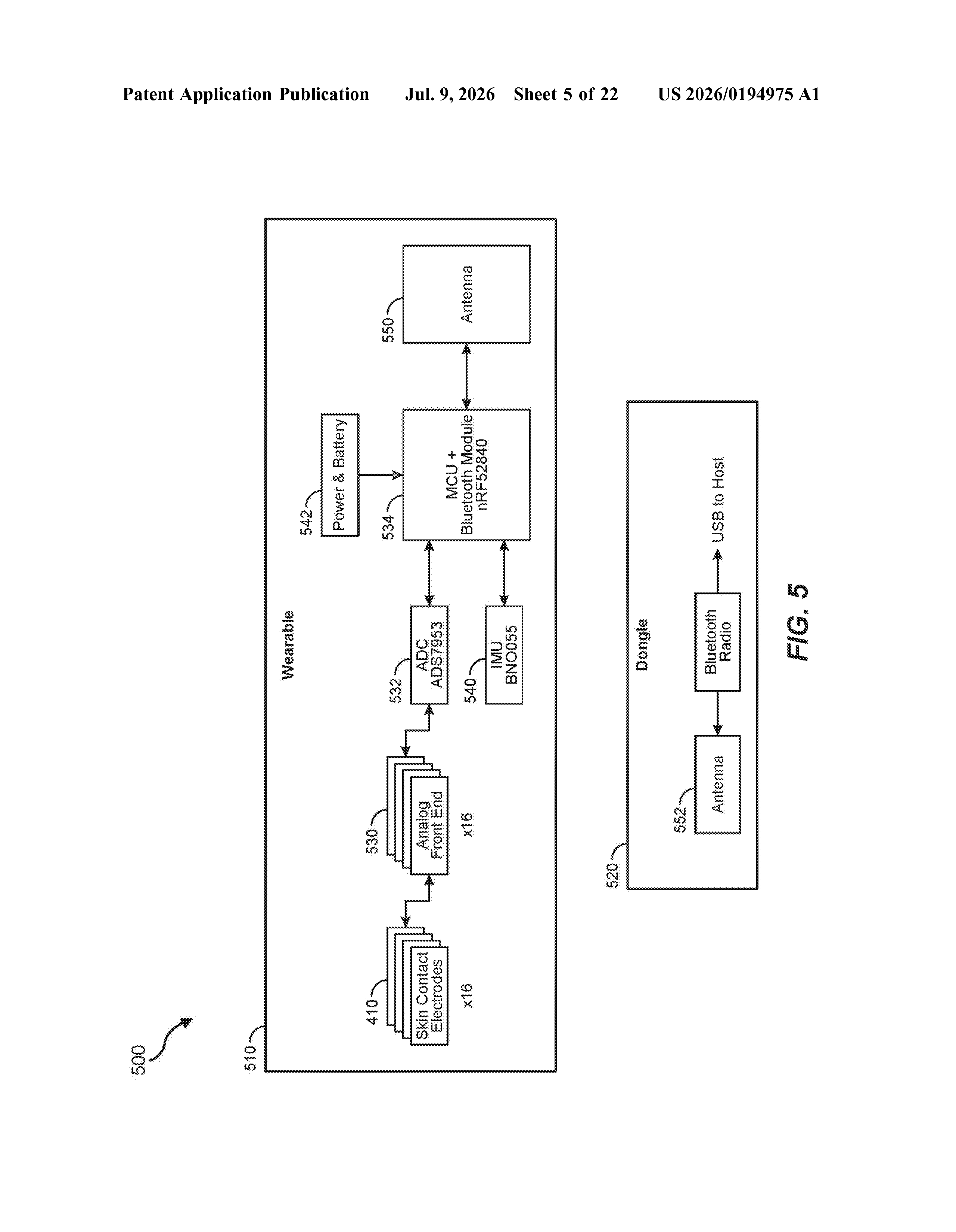
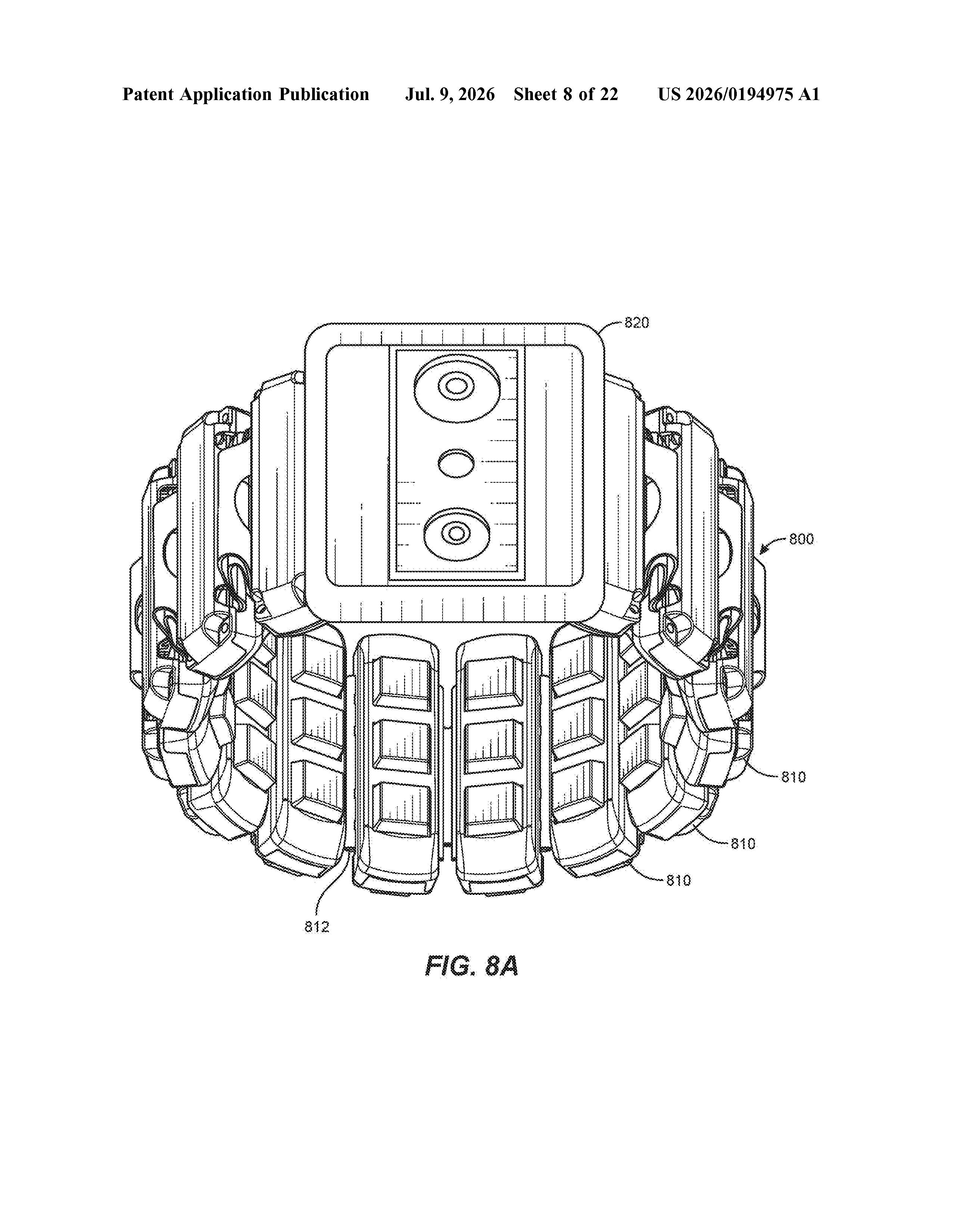
The patent describes a three-piece system: AR headset, wrist-worn wearable, and a processor that ties them together.
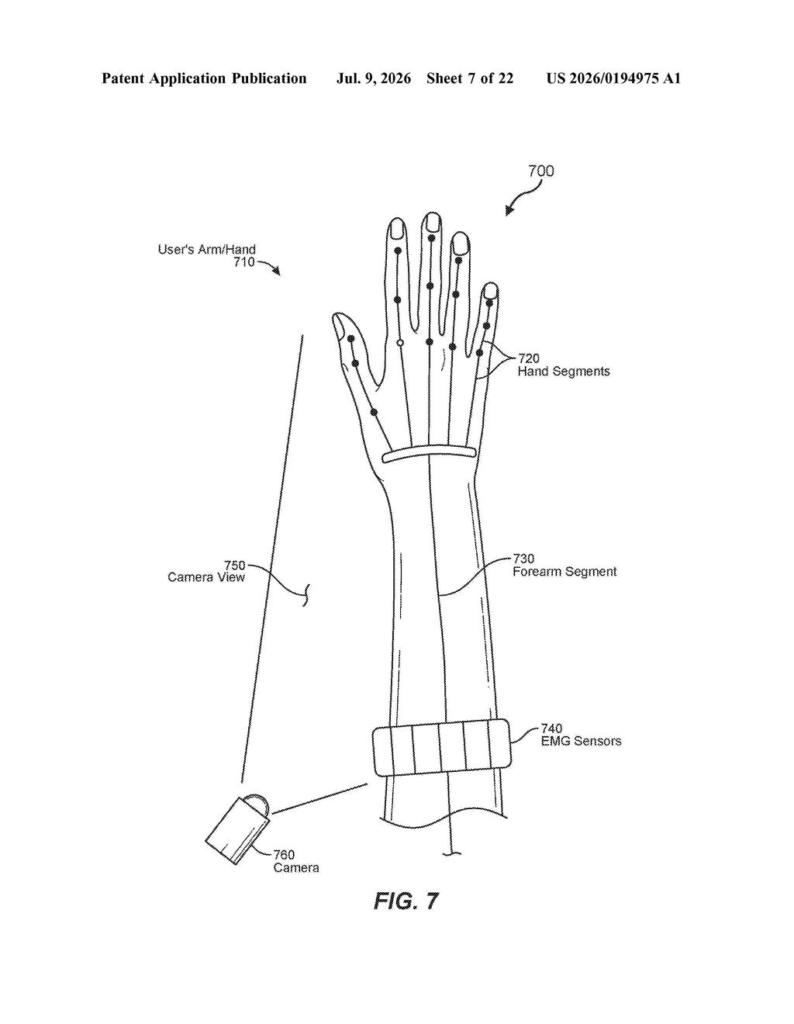
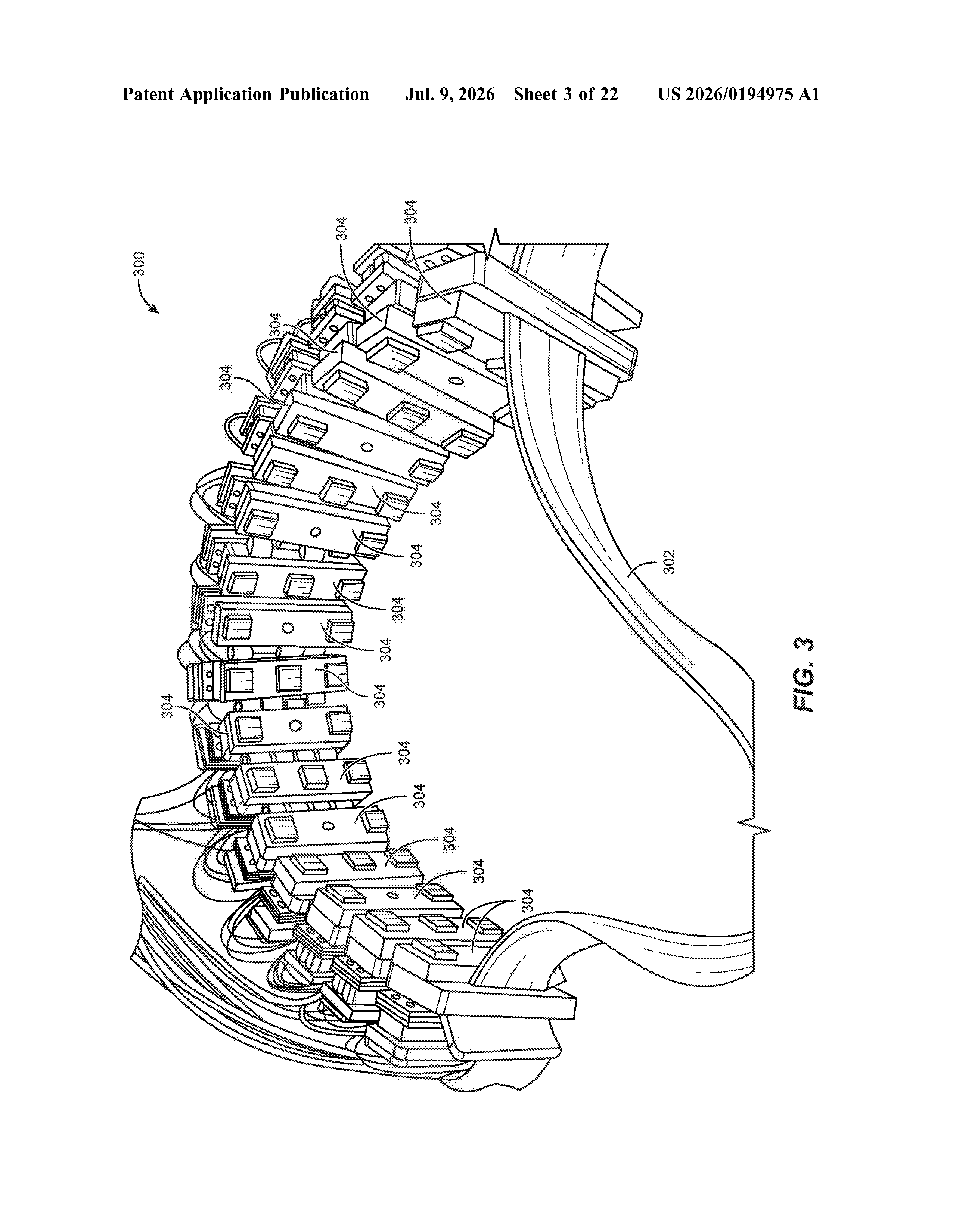
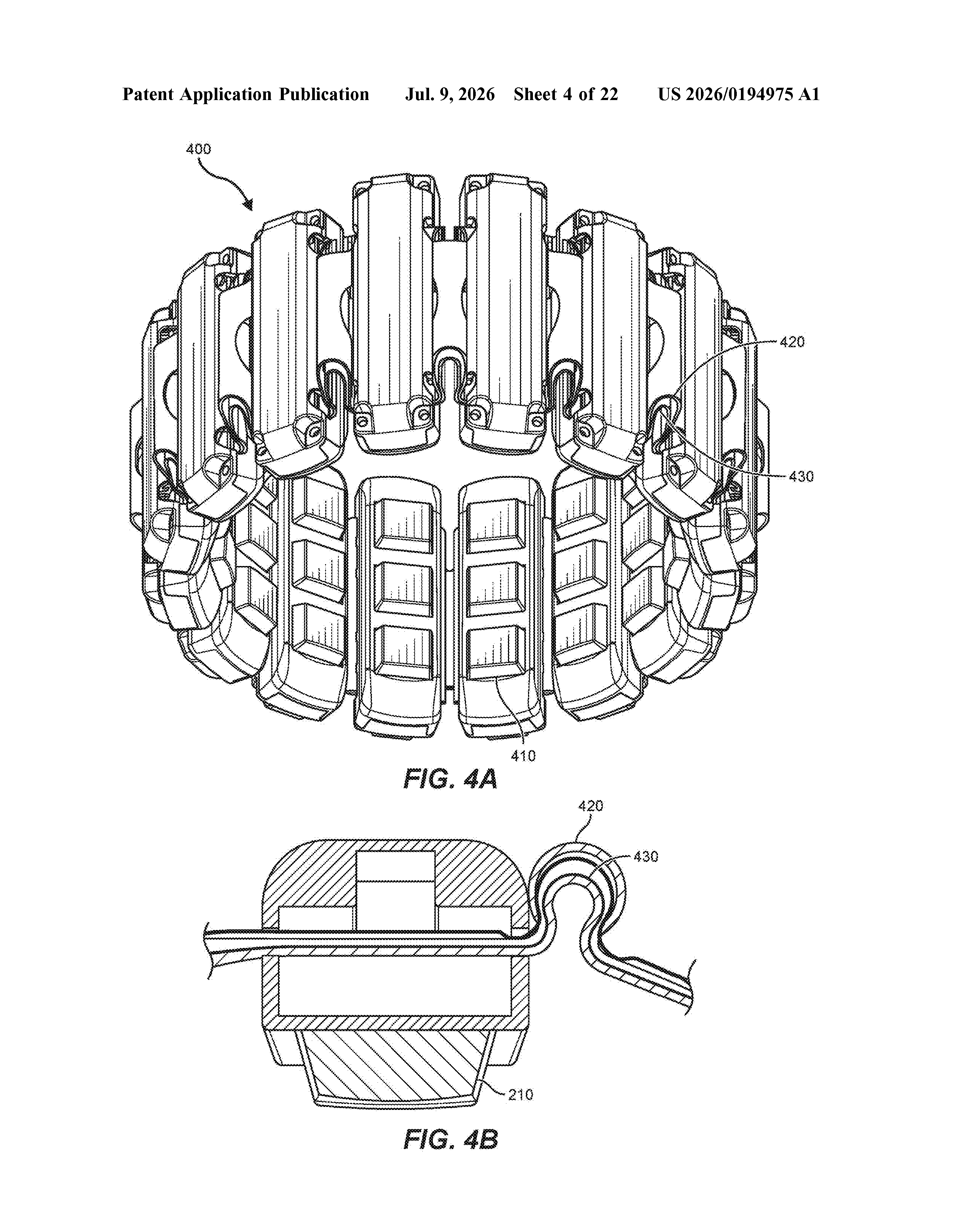
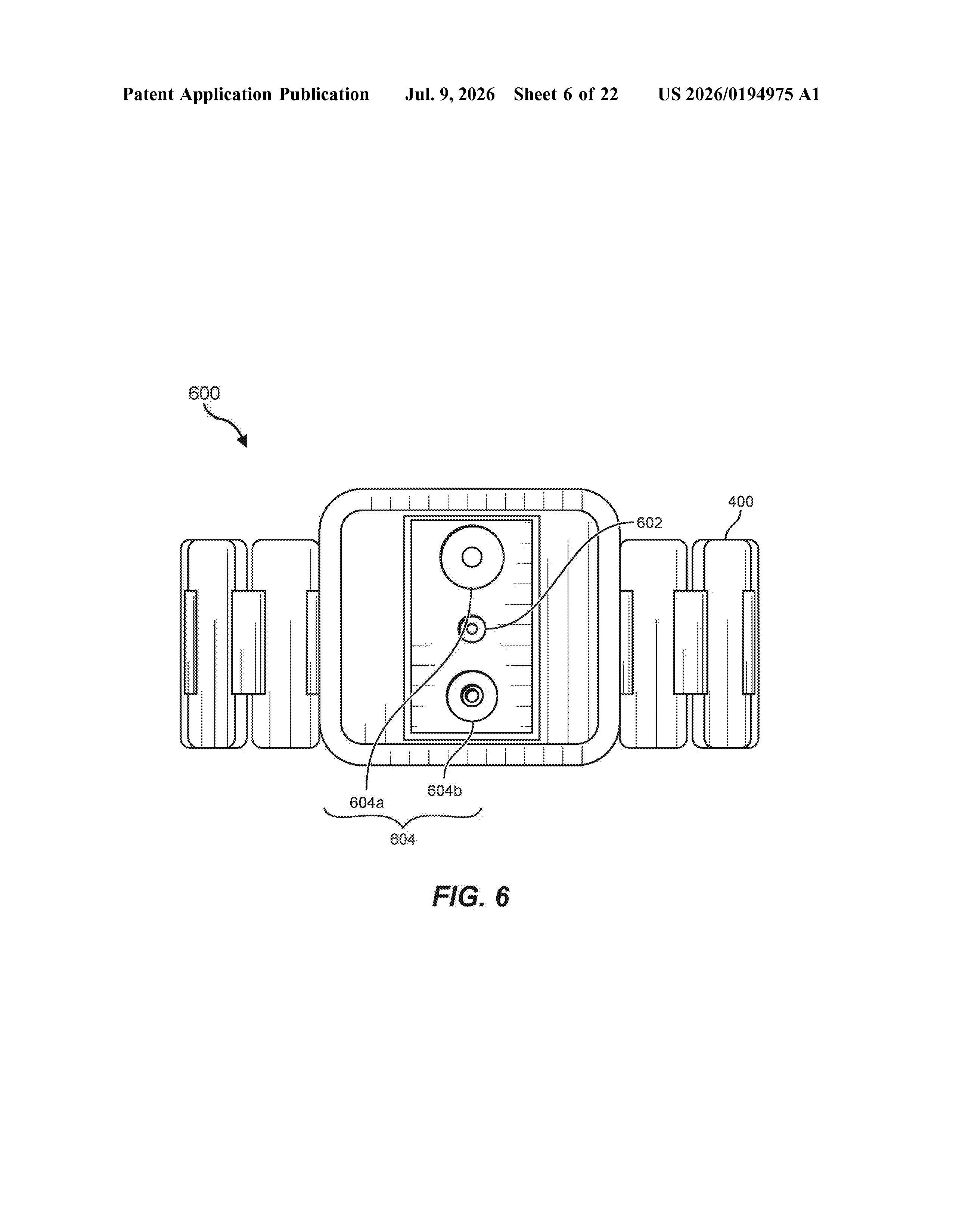
The wristband contains a neuromuscular sensor that can read one or more of the following signal types:
- EMG (electromyography), measures the electrical activity muscles produce when they contract
- MMG (mechanomyography), detects the tiny vibrations muscles make when they fire
- SMG (sonomyography), uses ultrasound to image muscle movement under the skin
When the system detects a signal, it doesn't just register that you moved your hand. It checks whether another person is present in the same physical space and then determines whether your gesture was directed at that person within the shared AR environment. That context check is the key step, the system only surfaces the social control interface if the gesture is interpreted as aimed at a specific individual.
If that condition is met, the headset presents a control interface inside the AR view, giving the first user options for interacting with the second user. The patent doesn't specify exactly what those options are, but the framing points toward social actions like messaging, sharing, or managing presence.
What this means for Meta's AR glasses ambitions
Meta has been building toward a future where its Ray-Ban smart glasses and full AR headsets replace or supplement your phone for everyday social interaction. This patent is a concrete step in that direction: it shows Meta thinking about how people will actually reach out to one another in a world where AR layers sit on top of physical spaces.
The muscle-sensing angle matters because it sidesteps the awkwardness of talking to your glasses out loud or tapping through menus. If this works as described, your instinct to gesture toward a friend would be enough to trigger the right digital action. That closes a real gap between natural human behavior and the current state of wearable interfaces, and it ties Meta's wristband controller research (which the company has been investing in for years via CTRL-labs) directly to social AR use cases.
This is one of the more coherent AR interaction patents Meta has filed, it connects two things the company has been building in parallel (EMG wristbands and social AR) into a single system with an obvious purpose. Whether the gesture-recognition accuracy is good enough to avoid false triggers in real social settings is the real open question, but the underlying idea is clear and practical.
Get our take in your Top Stories
Liked this breakdown? Add Patentlyze as a preferred source on Google, and our plain-English take shows up more often in your Top Stories the next time Meta patent news breaks.
There are more where this came from
We read every patent application Big Tech publishes and send you the ones worth knowing. Plain English, free, every week.
The drawings
22 drawing sheets from US 2026/0194975 A1 · click any drawing to enlarge
Want this weekly breakdown for a company we don't cover? Patentlyze Pro →