
IBM Patents an AI System That Schedules Airplane De-Icing Automatically
Winter weather is one of the biggest causes of flight delays, and de-icing planes is a slow, labor-intensive bottleneck. IBM thinks an AI scheduler can fix that.
What IBM's automated de-icing system actually does
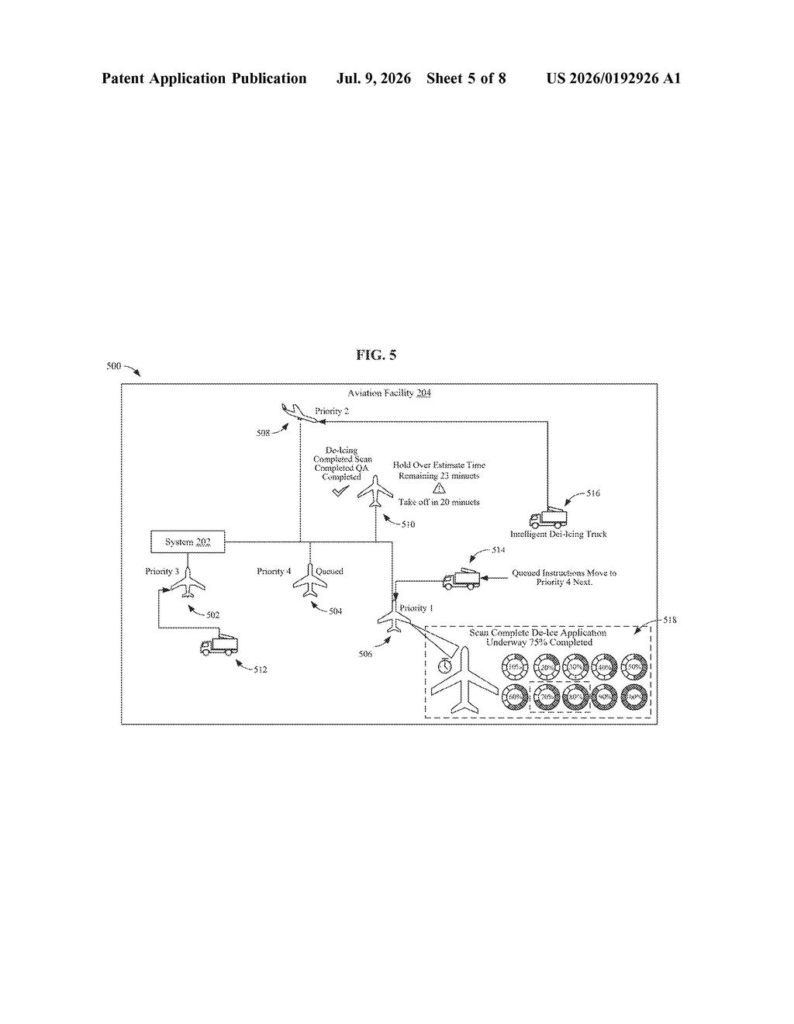
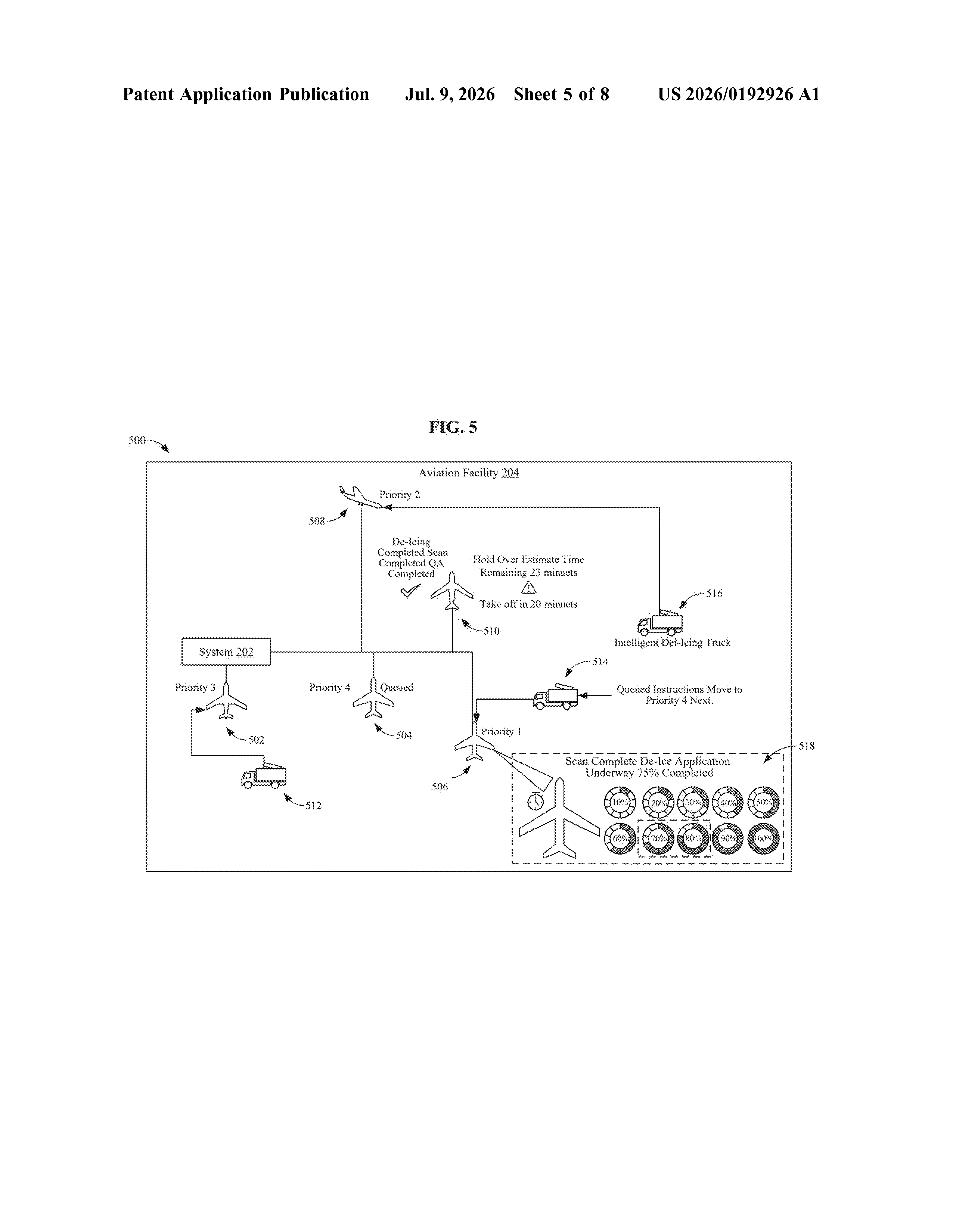
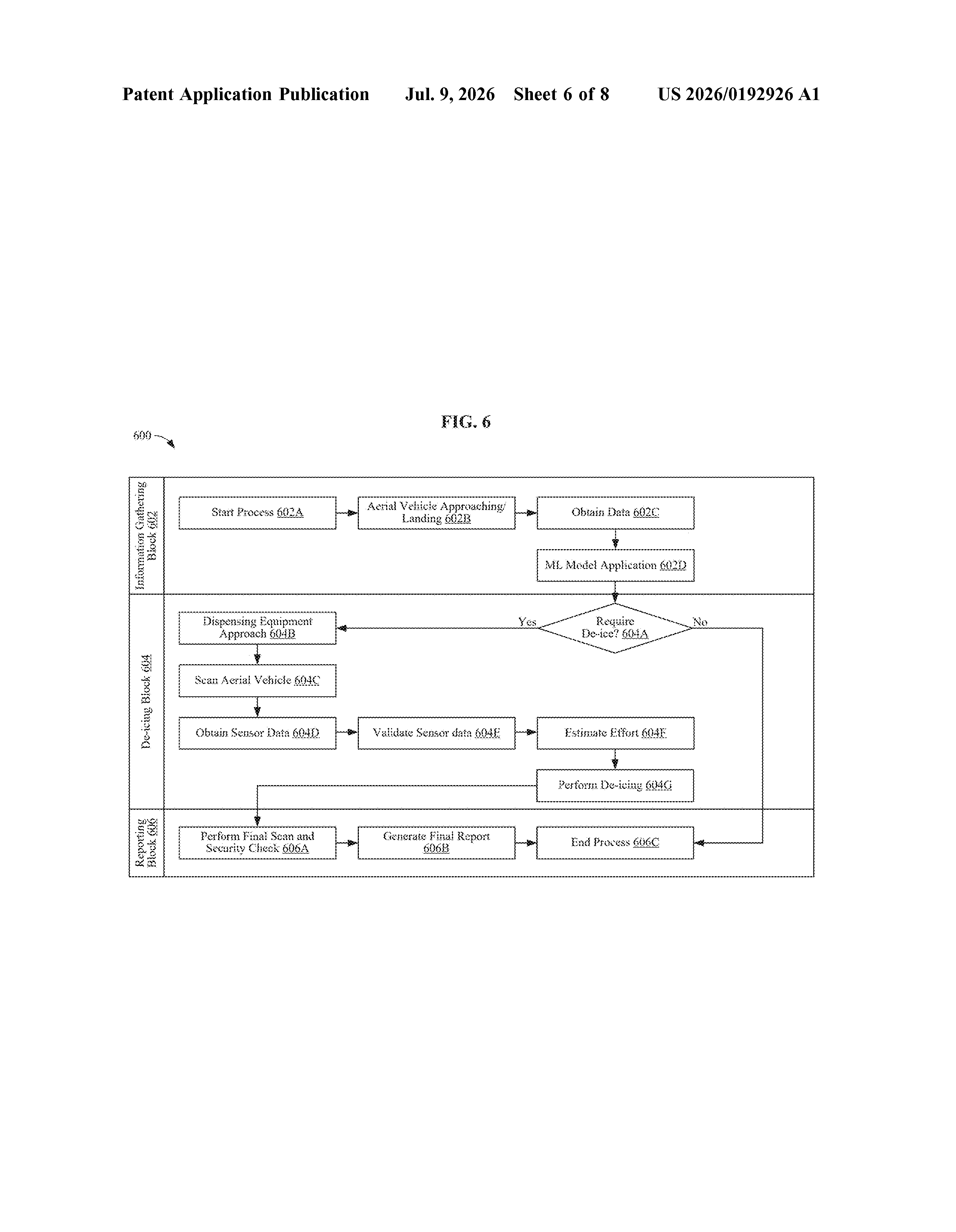
Imagine it's a snowy morning at a busy airport. Dozens of planes need to be sprayed with de-icing fluid before they can take off, but there are only so many de-icing trucks and crews to go around. Deciding which plane gets treated first, how much fluid to use, and when to start so the treatment doesn't wear off before takeoff is a genuinely complicated puzzle, and right now, humans mostly figure it out on the fly.
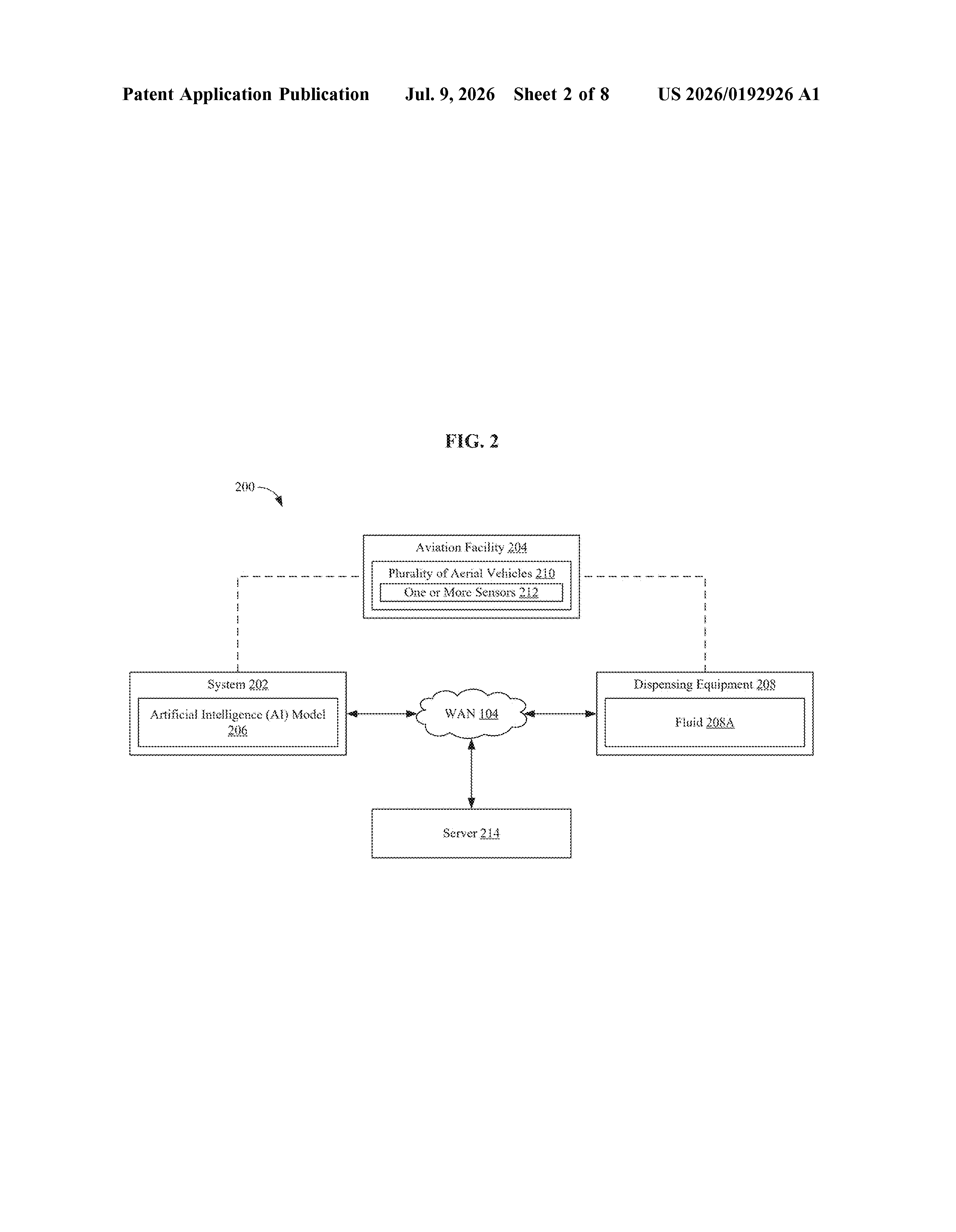
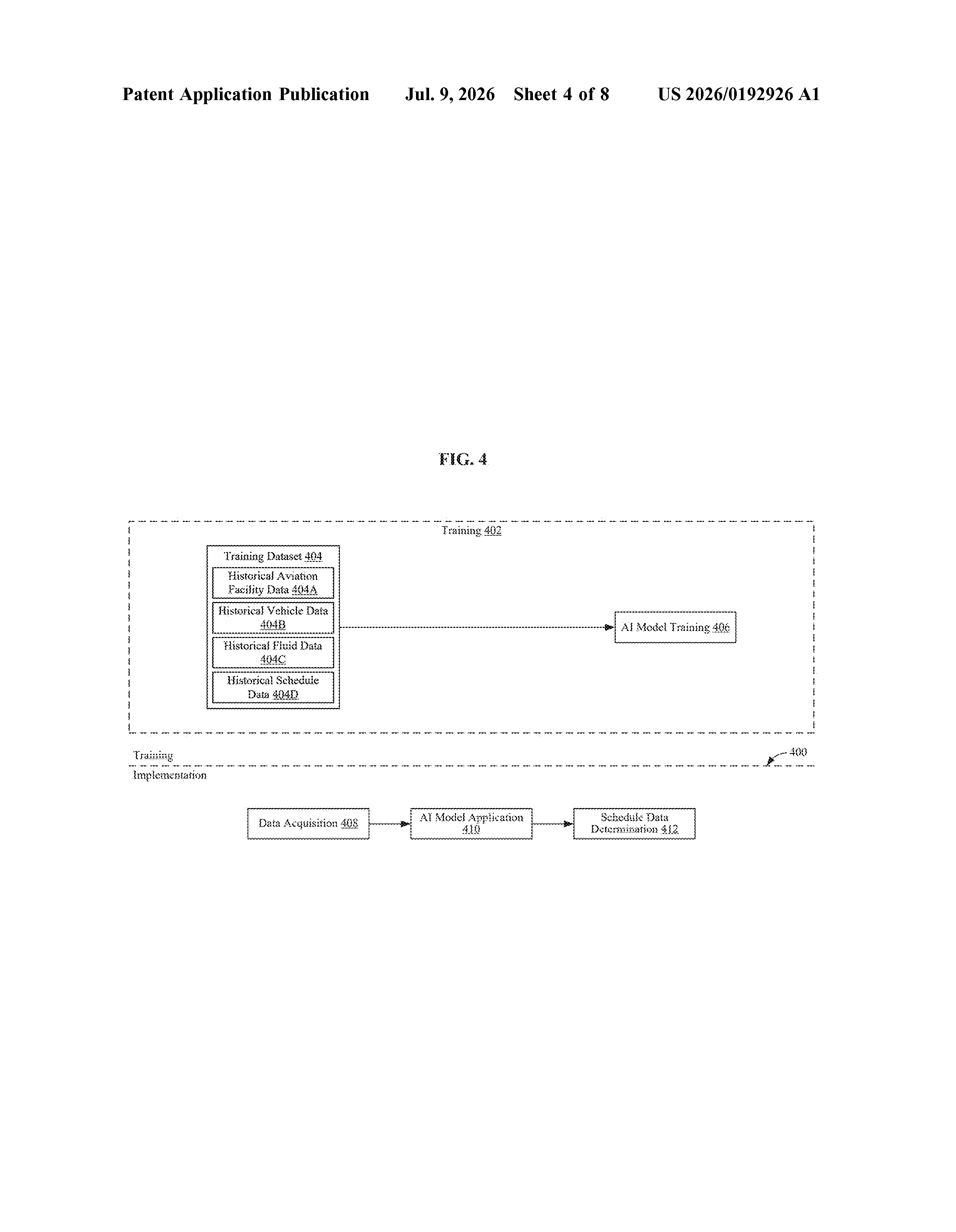
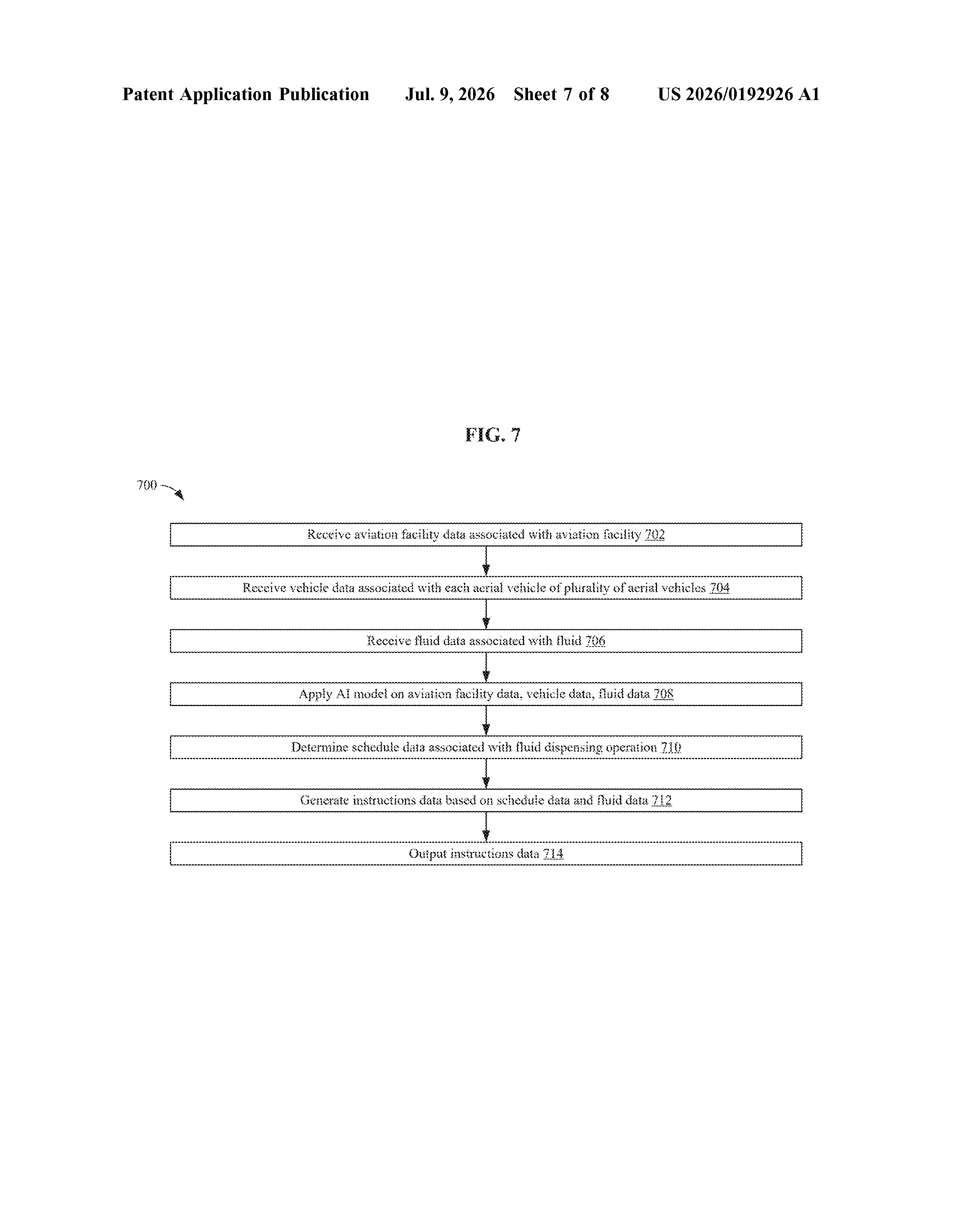
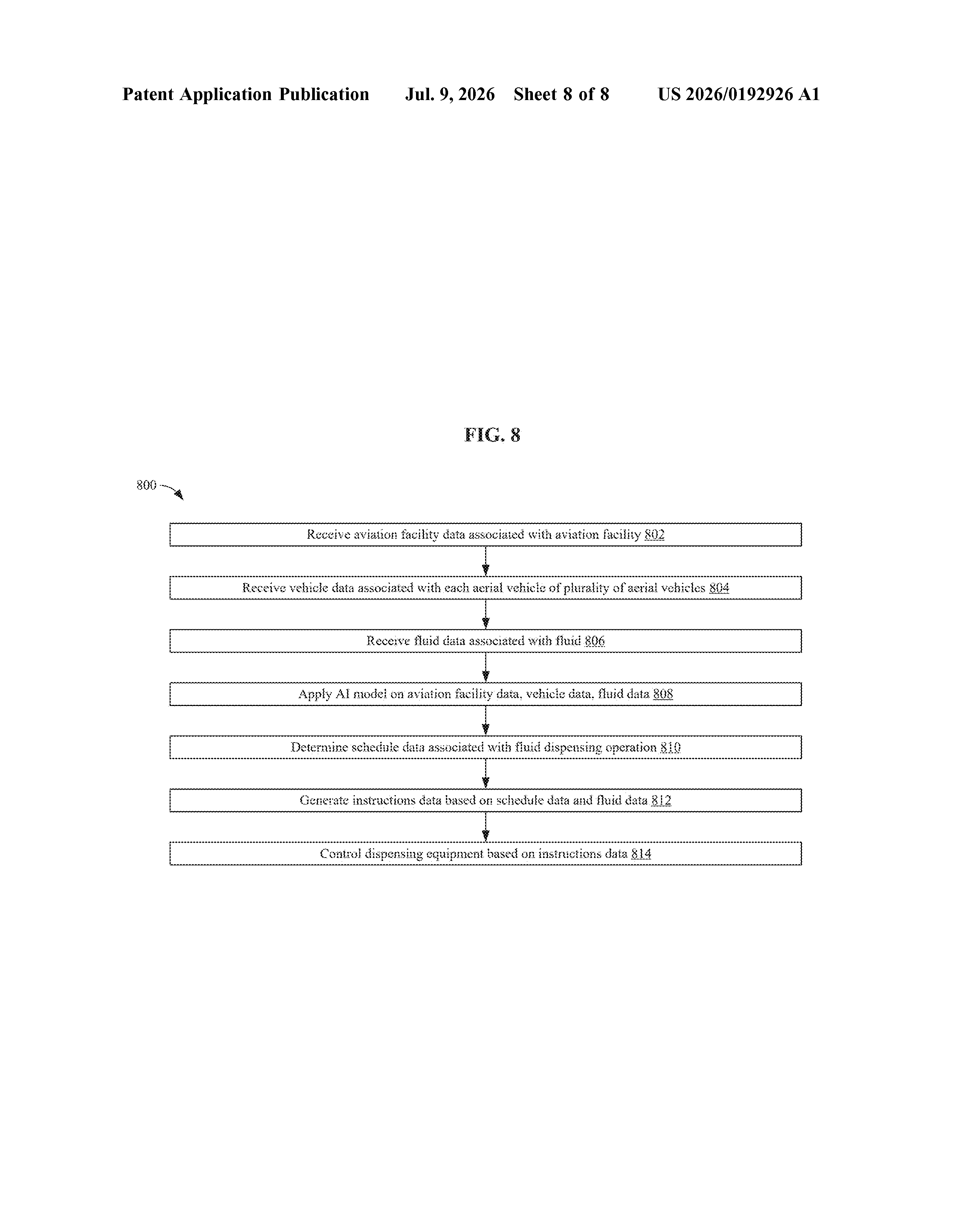
IBM's patent describes a system where an AI model takes in data about the airport itself (gates, equipment, layout), each individual aircraft (size, position, departure time), and the de-icing fluid being used (how long it stays effective, concentration). From all of that, it builds a schedule and generates specific control instructions for the actual dispensing equipment.
In plain terms: instead of a dispatcher making judgment calls, a computer works out the optimal order and timing for spraying every plane, then tells the equipment exactly what to do. The goal is fewer delays, less fluid waste, and a tighter operation overall.
How the AI model sequences the de-icing queue
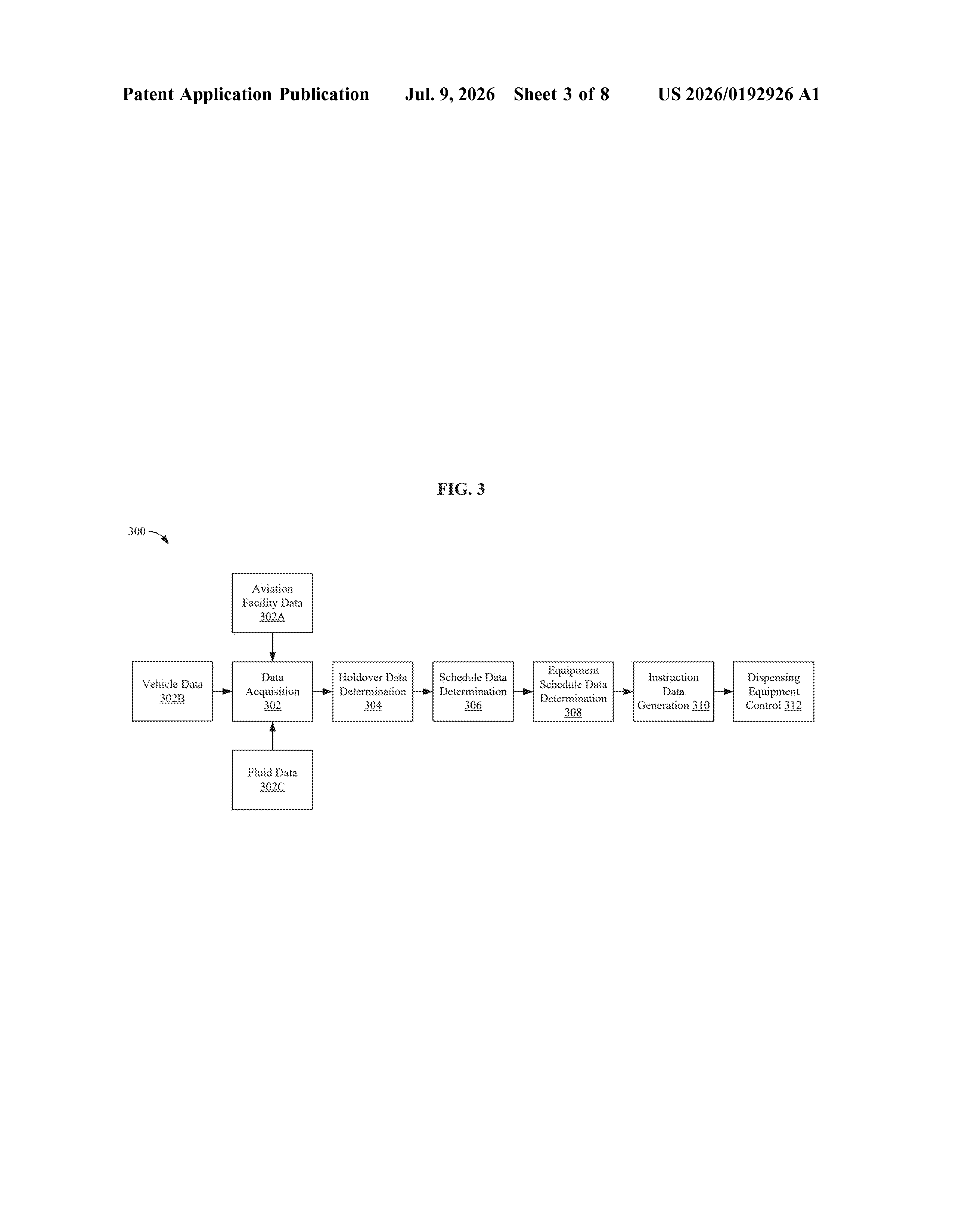
The system pulls in three categories of data and feeds them into an AI model to produce actionable instructions:
- Aviation facility data: information about the airport's layout, de-icing pad locations, available equipment, and operational constraints.
- Vehicle data: details on each aircraft waiting for treatment, including its size, position, and scheduled departure time.
- Fluid data: properties of the de-icing chemical being used, including its holdover time (how long it keeps ice from reforming) and concentration levels.
The AI model processes all three inputs together to generate schedule data, essentially a prioritized queue that determines which plane gets de-iced when. From that schedule, the system produces a set of control instructions that can be sent directly to dispensing equipment, telling it how much fluid to apply and when.
The patent is written broadly enough to cover both ground-based de-icing trucks and potentially automated dispensing rigs. The output is described as "instructions data" that can drive the physical equipment without requiring a human to manually translate the schedule into action.
What this means for winter airport operations
De-icing delays ripple through entire airline networks. A single plane that misses its de-icing window can cause a cascade of late arrivals at other airports. A system that optimizes the scheduling and automates the fluid dispensing could meaningfully cut that slack time, especially at large hub airports during winter storms.
For airlines and airports, the secondary benefit is fluid efficiency. De-icing chemicals are expensive and environmentally regulated. A system that calculates the right amount for each aircraft, timed precisely to the departure window, could reduce waste. IBM isn't a traditional aviation company, but this patent fits its broader push to sell AI-driven operations management to industrial and infrastructure clients.
This is a genuinely practical application of AI scheduling to a real operational headache. De-icing coordination is still surprisingly manual at many airports, and the potential for optimization is real. That said, the patent is written at a high level of abstraction, and the hard engineering work of integrating such a system with actual airport infrastructure would be substantial. Worth watching, but don't expect this to show up on airport ramps anytime soon.
Get our take in your Top Stories
Liked this breakdown? Add Patentlyze as a preferred source on Google, and our plain-English take shows up more often in your Top Stories the next time IBM patent news breaks.
There are more where this came from
We read every patent application Big Tech publishes and send you the ones worth knowing. Plain English, free, every week.
The drawings
8 drawing sheets from US 2026/0192926 A1 · click any drawing to enlarge
Want this weekly breakdown for a company we don't cover? Patentlyze Pro →