
IBM Patents a Way to Put Its AI Models on an Energy Diet
AI models are power-hungry by default, but IBM is patenting a way to make them voluntarily slim down on command, swapping a full model for a stripped-down version whenever energy needs to be conserved.
How IBM's on-demand AI power cut actually works
Think of a hotel that dims the lights and turns off half the elevators during slow hours to save electricity. IBM's idea works similarly, but for AI.
When something triggers a need to cut power, an AI system stops using its full, detailed version and switches to a pruned version, meaning a copy of itself with some of the internal processing steps removed. The AI can still do its job, just with fewer moving parts consuming energy.
This kind of on-demand throttling could matter a lot as companies run AI models around the clock on servers. Being able to dial down a model's power draw without turning it off entirely gives engineers a new tool between "full power" and "shut it down."
How the system swaps between full and pruned models
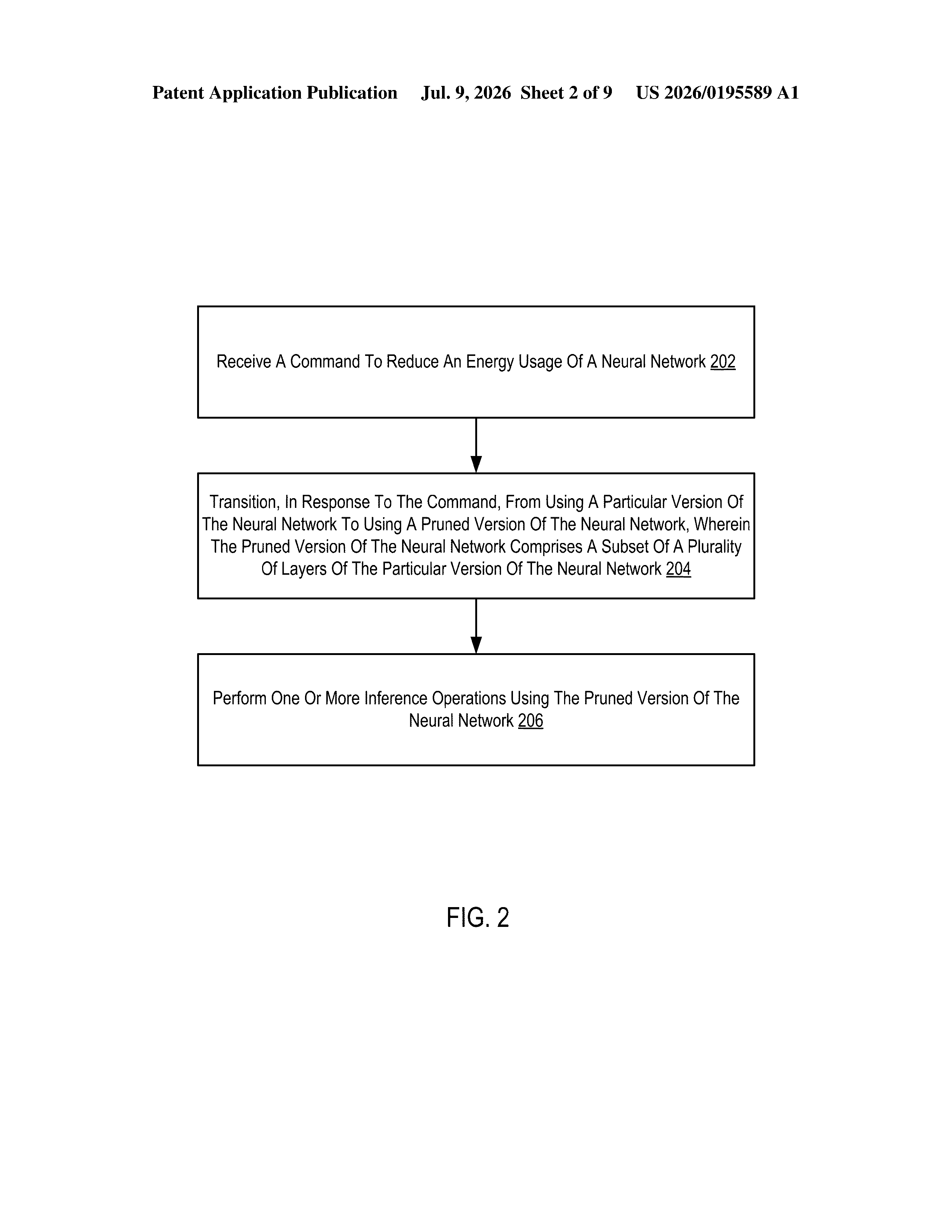
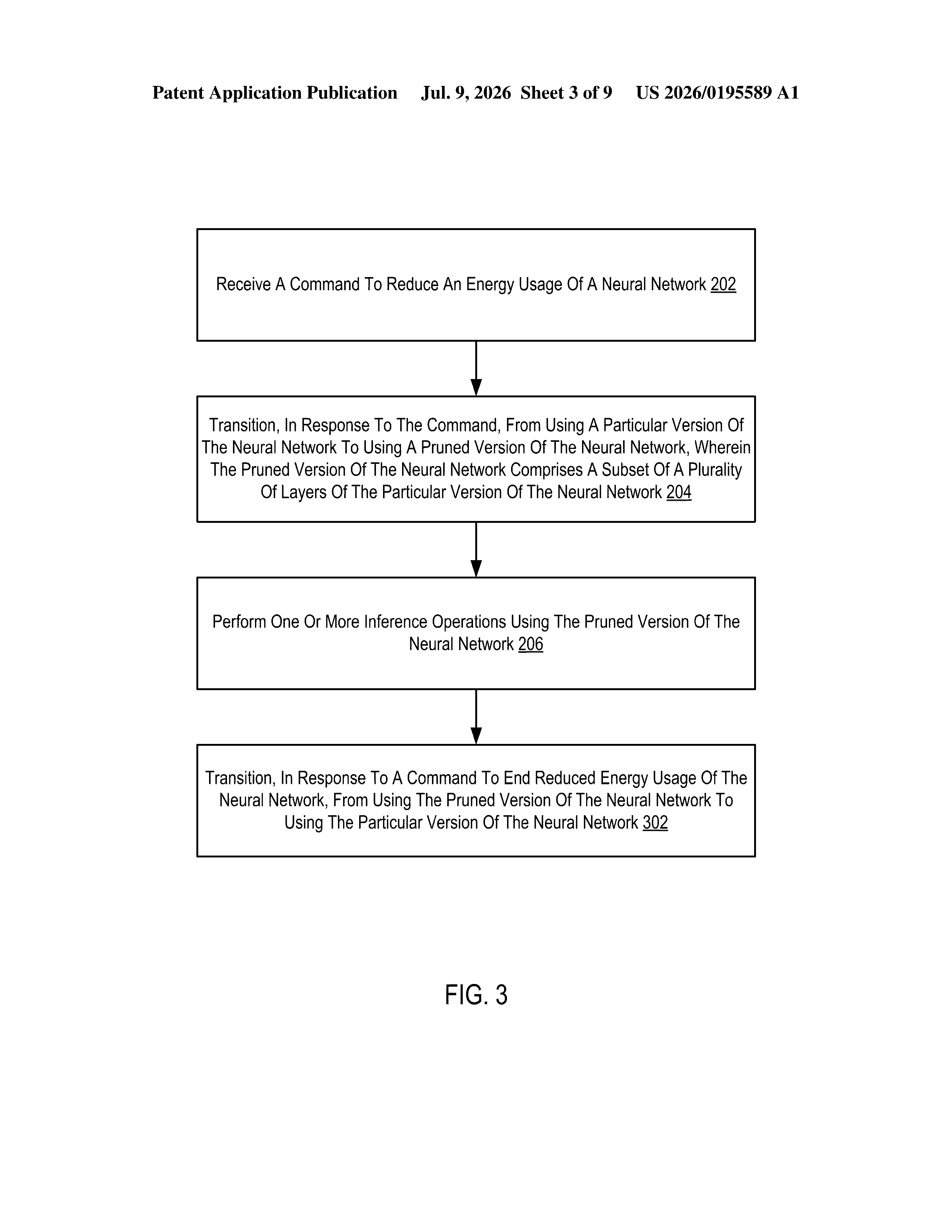
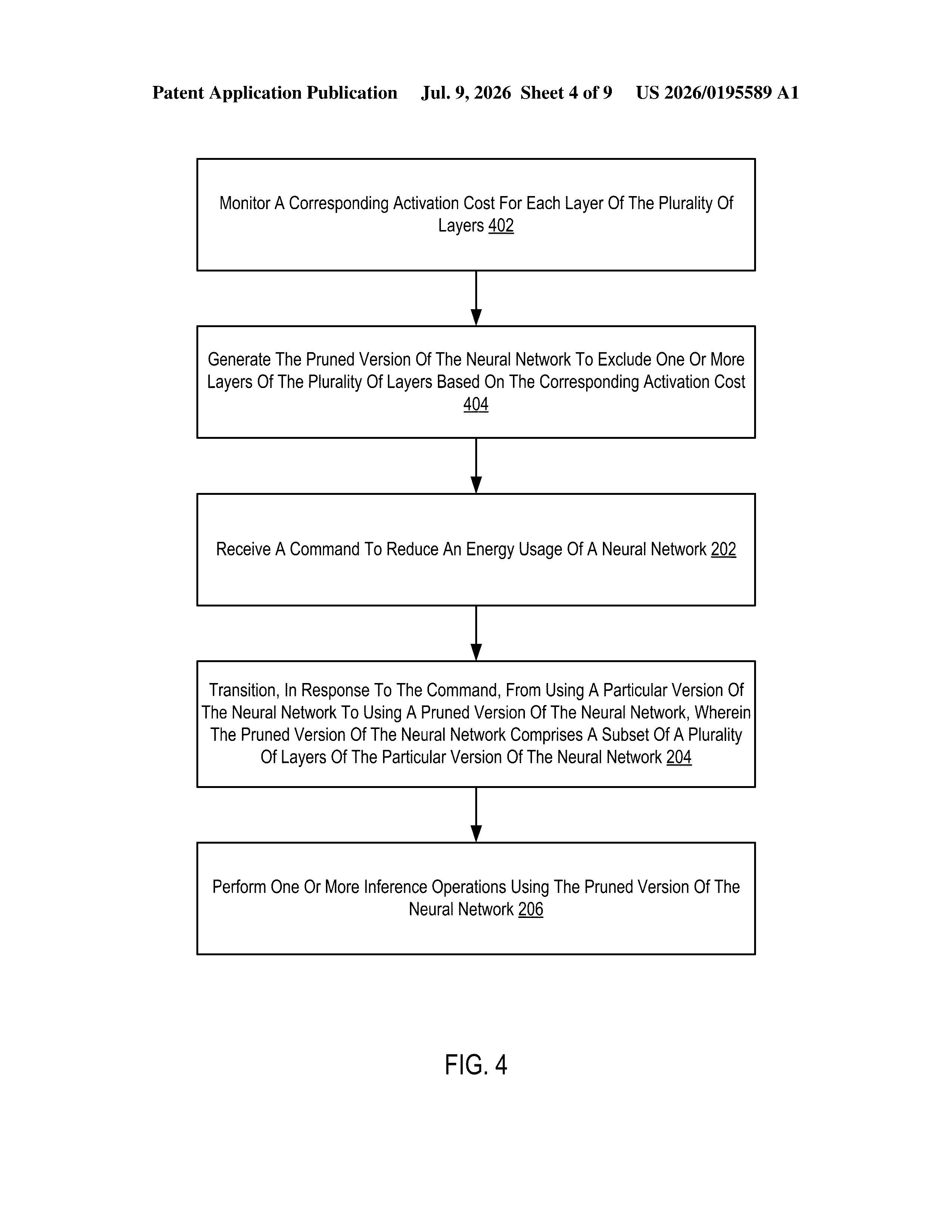
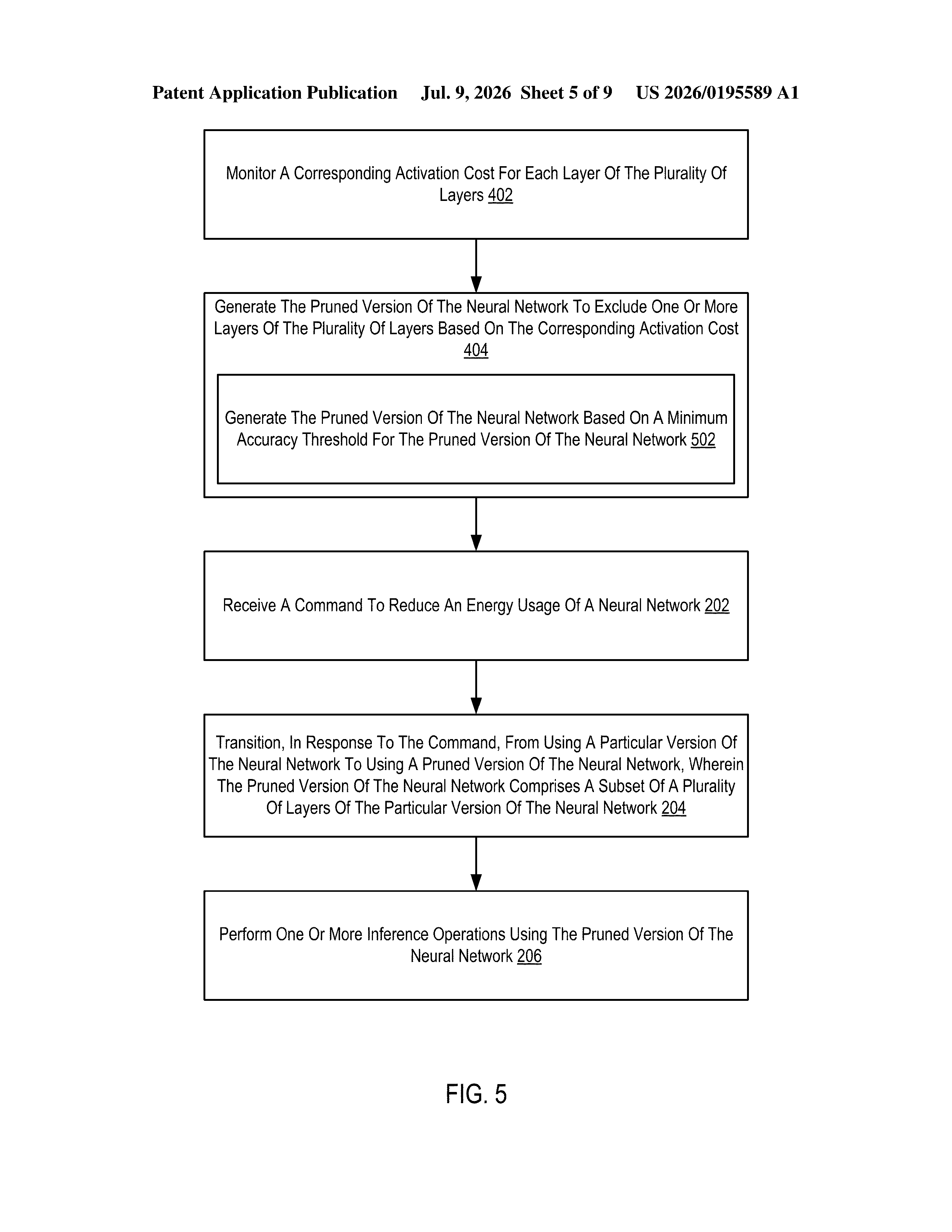
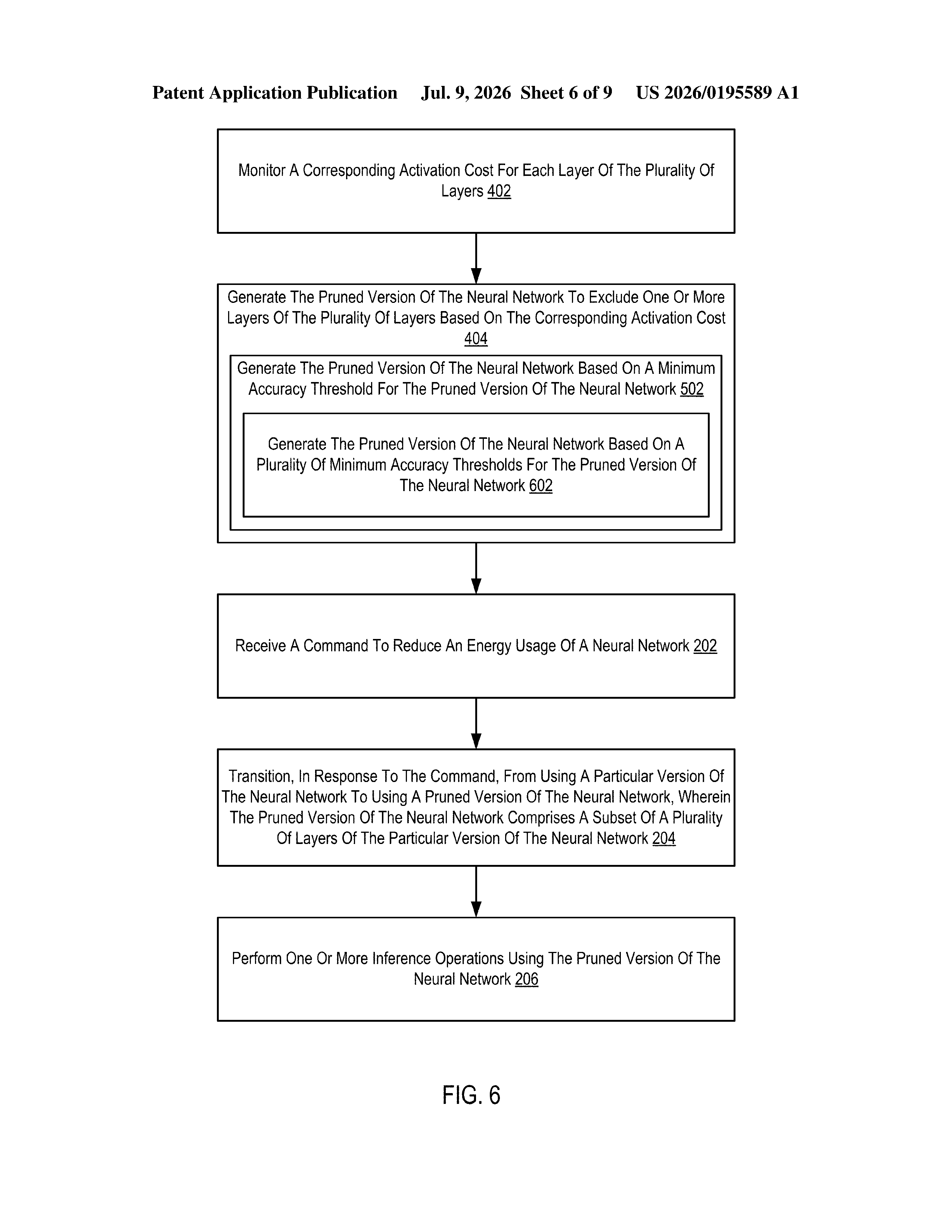
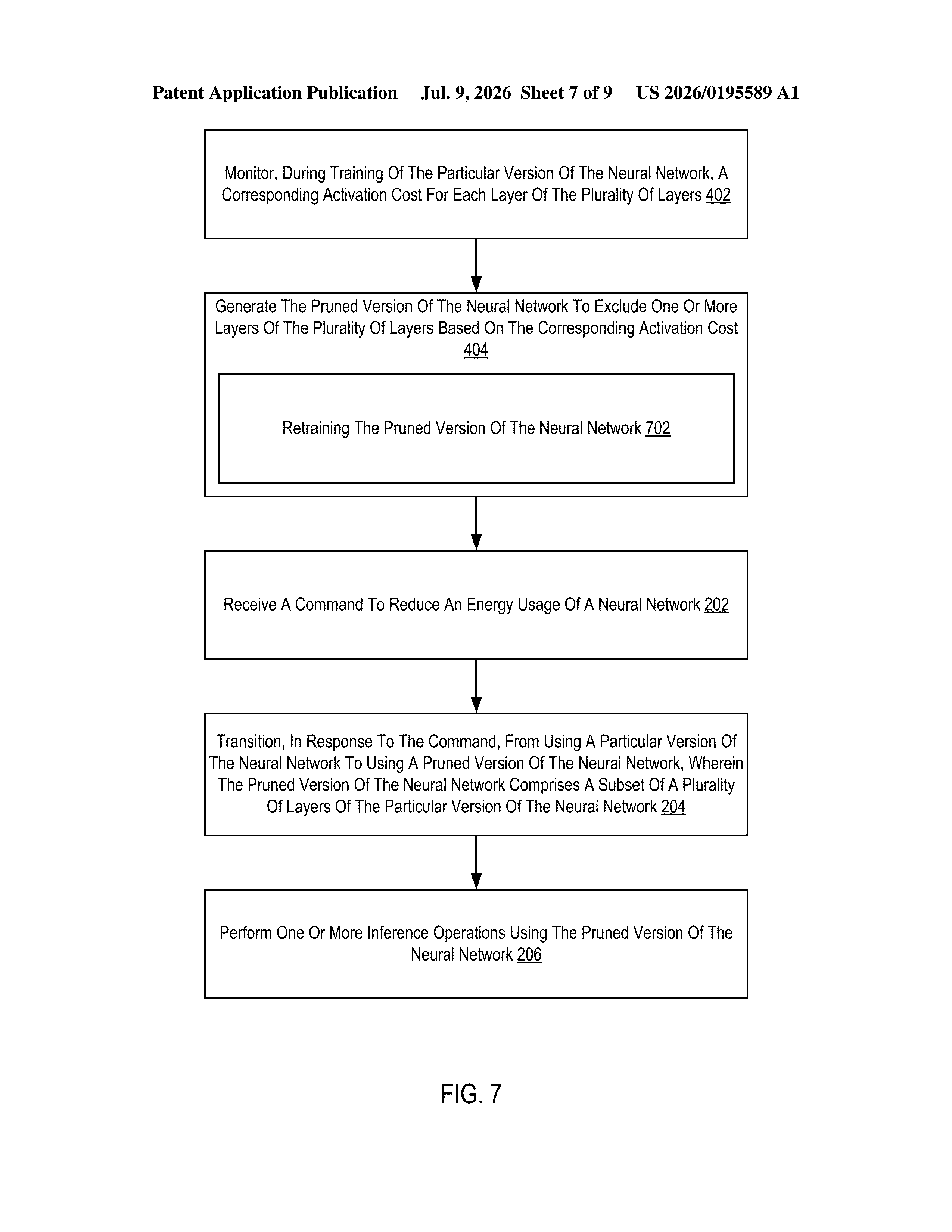
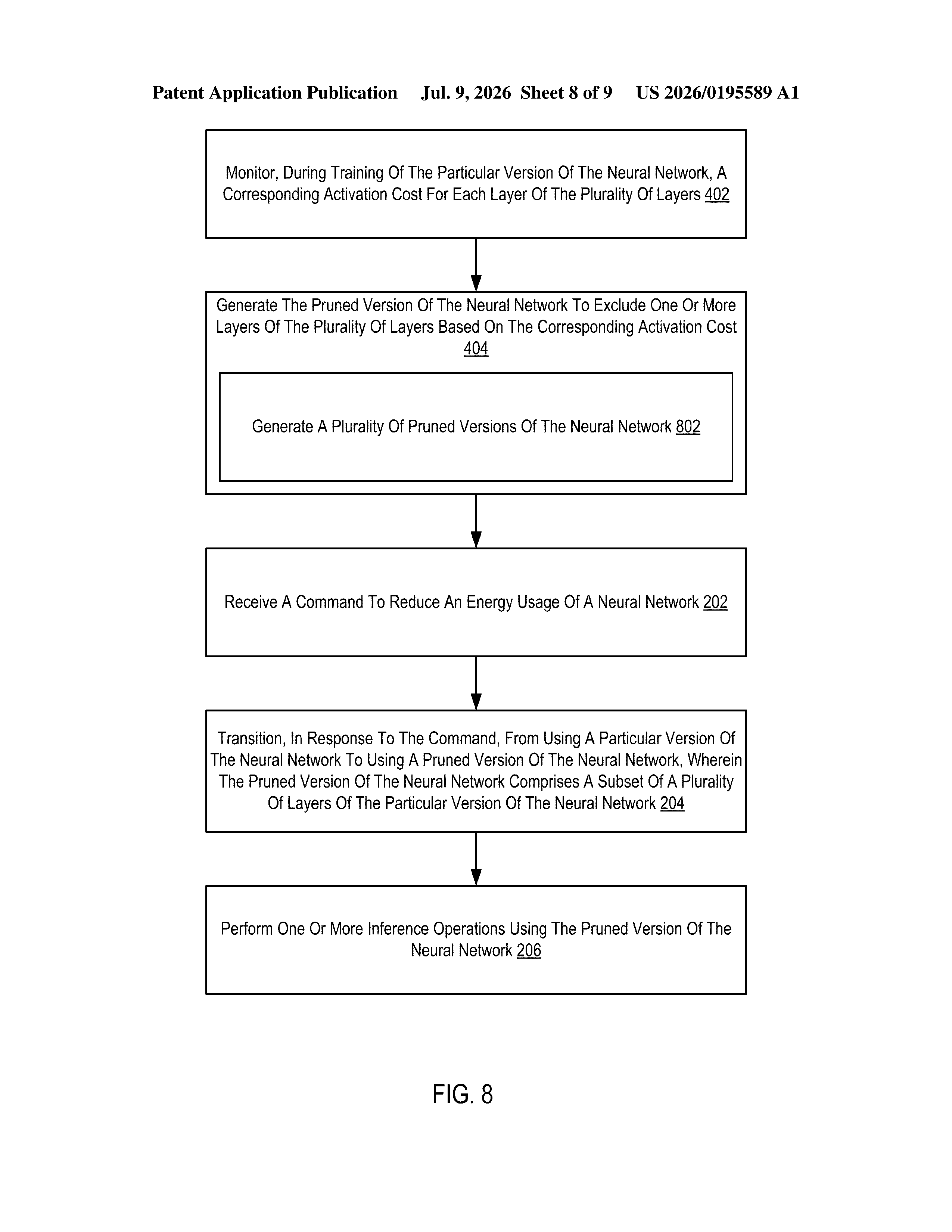
The patent describes a three-step process:
- Receive a command to reduce energy usage. This could come from a power monitor, a scheduler, a data center operator, or an automated policy trigger.
- Transition from the standard neural network to a pruned version. A pruned neural network is one where certain layers (the internal stages of processing that a model uses to analyze data) have been removed or skipped. The pruned version is a pre-built, lighter-weight variant of the same model.
- Run inference (meaning: actually use the model to make predictions or generate outputs) using the pruned version, rather than the full one.
The key idea is that the pruned model is prepared in advance, so the switch can happen quickly. The system is not training or rebuilding anything on the fly; it is simply routing work to a leaner copy of the model that was already available.
The patent does not go deep on how the pruned version is originally created, focusing instead on the switching mechanism itself.
What this means for AI's growing energy problem
AI inference, meaning running a trained model to get answers, already consumes enormous amounts of electricity globally, and that figure is growing fast. A system that can automatically step a model down to a lower-power mode when conditions demand it gives data center operators a knob they currently lack.
For IBM, which sells both AI infrastructure and cloud services, this kind of efficiency tooling fits into a broader push to make enterprise AI more cost-effective. Whether this ever ships as a standalone feature or gets absorbed into a larger platform like watsonx, the underlying idea of tiered AI power modes is one that the whole industry is circling.
This is a practical, unglamorous idea that addresses a real and growing problem. It is not a research advance in neural network theory; it is an engineering approach to operational cost control. The concept is straightforward enough that other companies are almost certainly working on variations, which makes the timing of this filing worth noting.
Get our take in your Top Stories
Liked this breakdown? Add Patentlyze as a preferred source on Google, and our plain-English take shows up more often in your Top Stories the next time IBM patent news breaks.
There are more where this came from
We read every patent application Big Tech publishes and send you the ones worth knowing. Plain English, free, every week.
The drawings
9 drawing sheets from US 2026/0195589 A1 · click any drawing to enlarge
Want this weekly breakdown for a company we don't cover? Patentlyze Pro →