
Apple Patents a Trackpad That Moves Its Haptic Motor Off to the Side
Apple's trackpads don't actually click down mechanically anymore, they fake it with a tiny vibration motor. This patent moves that motor out from under your fingertip entirely, which opens up some interesting design possibilities.
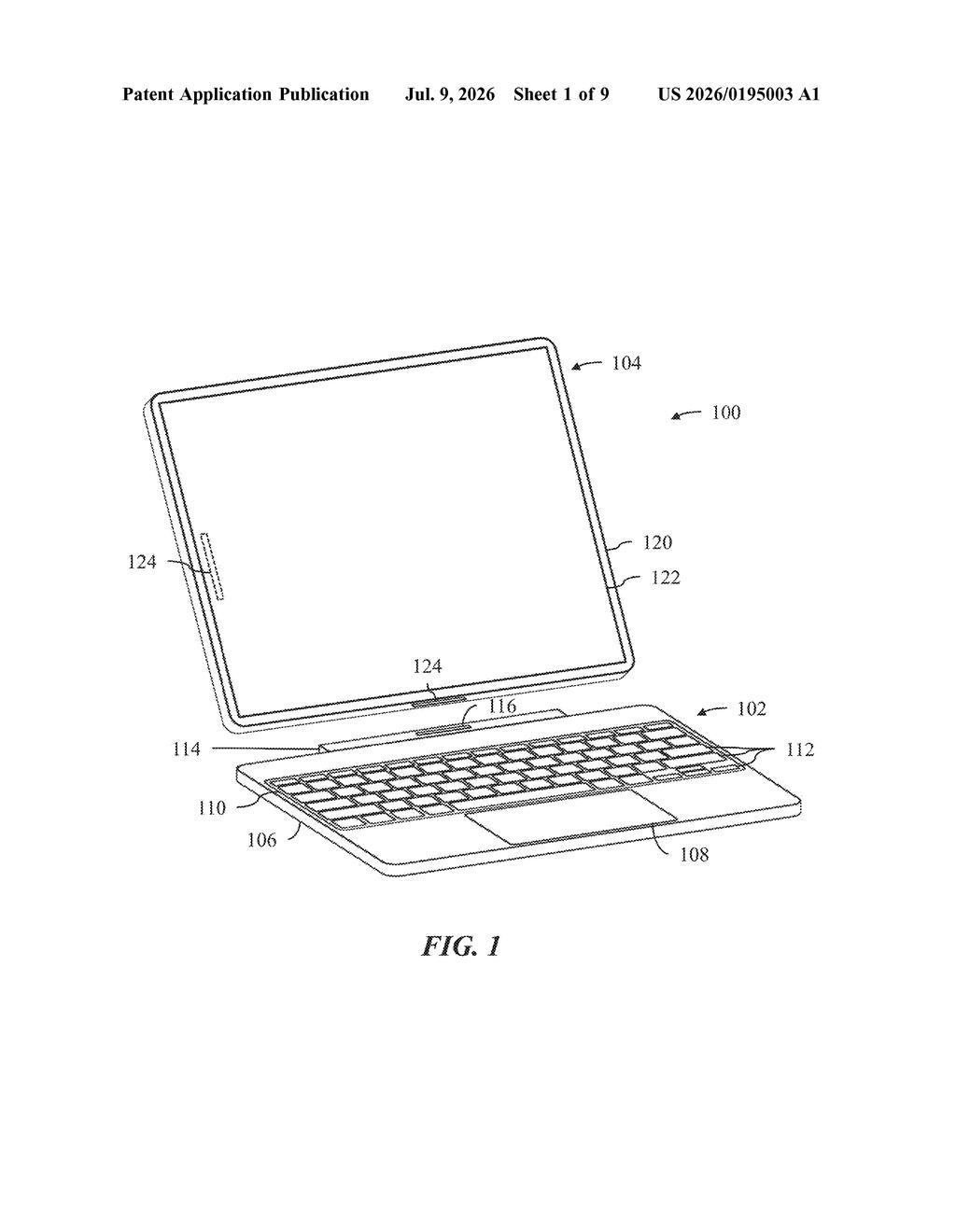
What Apple's repositioned trackpad vibration actually does
When you press an Apple trackpad, you feel a satisfying click. That click isn't real; there's no physical button. A small motor called an actuator fires a quick pulse under the surface to create the sensation. Right now that motor sits beneath the touch surface itself.
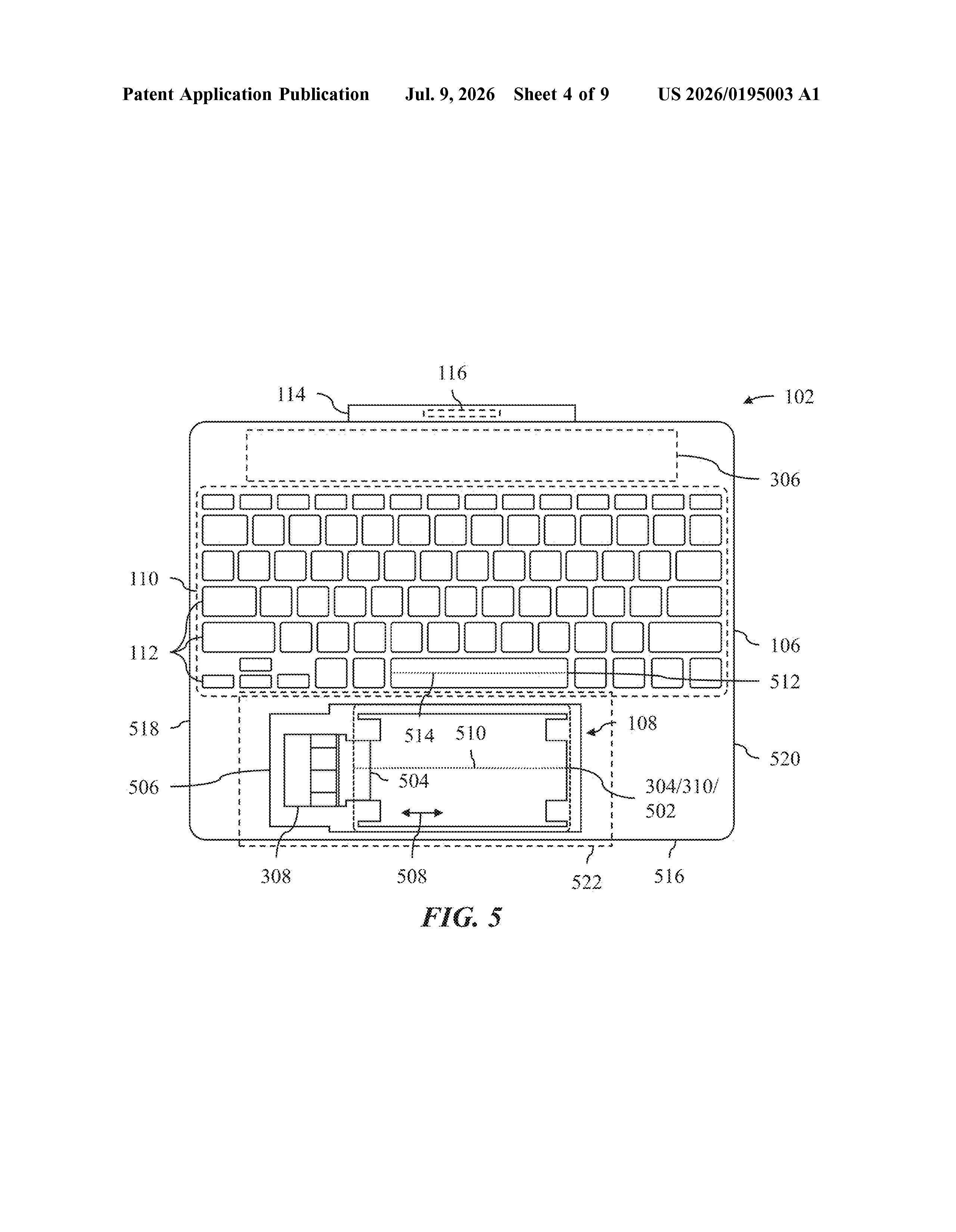
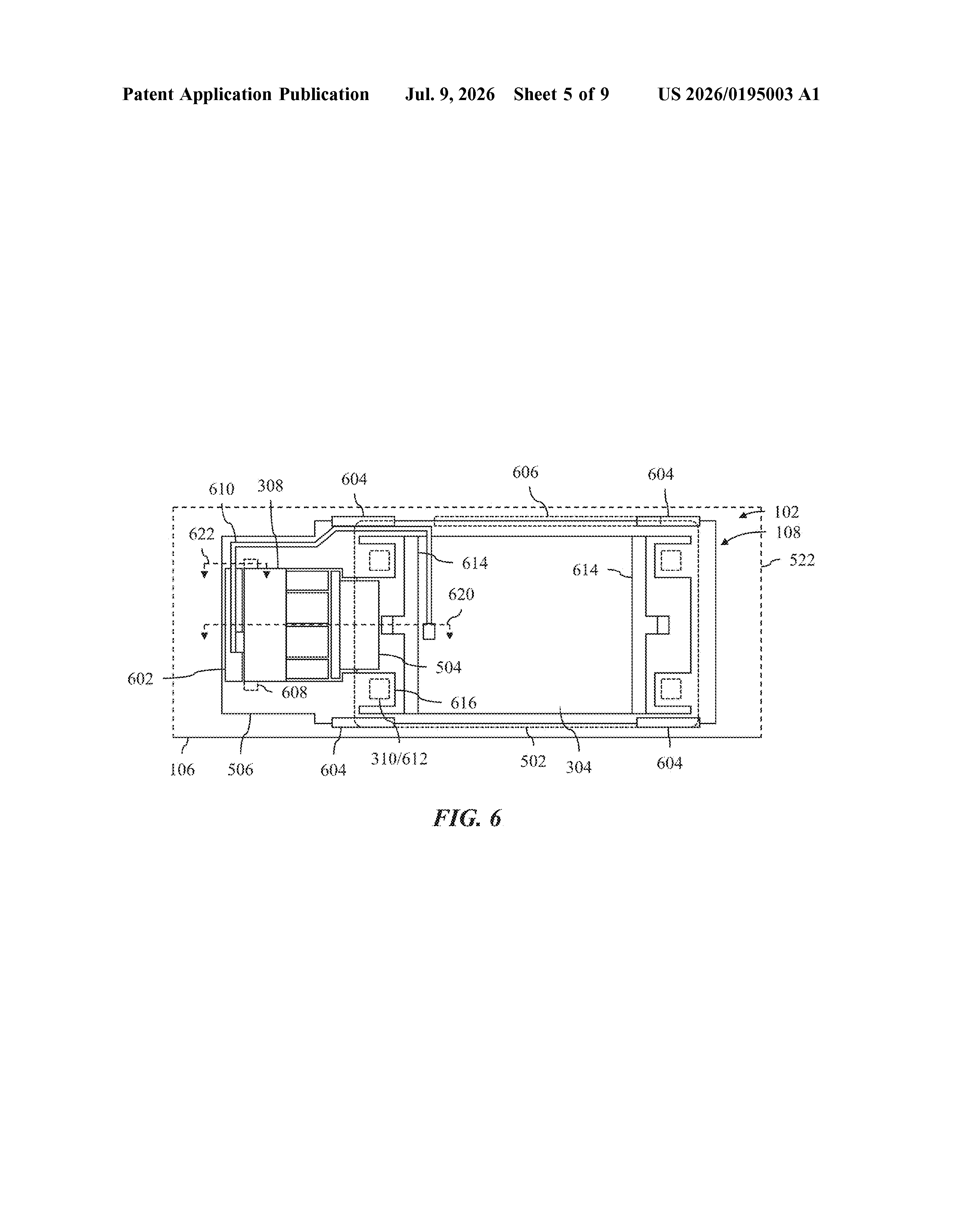
This patent describes moving the actuator to the side of the trackpad, outside the boundary of the area you actually touch. A thin metal bridge (Apple calls it an "attraction plate") connects the motor to the touch surface and carries the vibration across to your fingertips.
Why bother? Freeing up the space directly under the touch surface lets Apple make a thinner trackpad or pack more useful components under the glass. The click you feel would still arrive at your finger at roughly the same time, just via a slightly different mechanical path.
How the attraction plate carries vibration to your finger
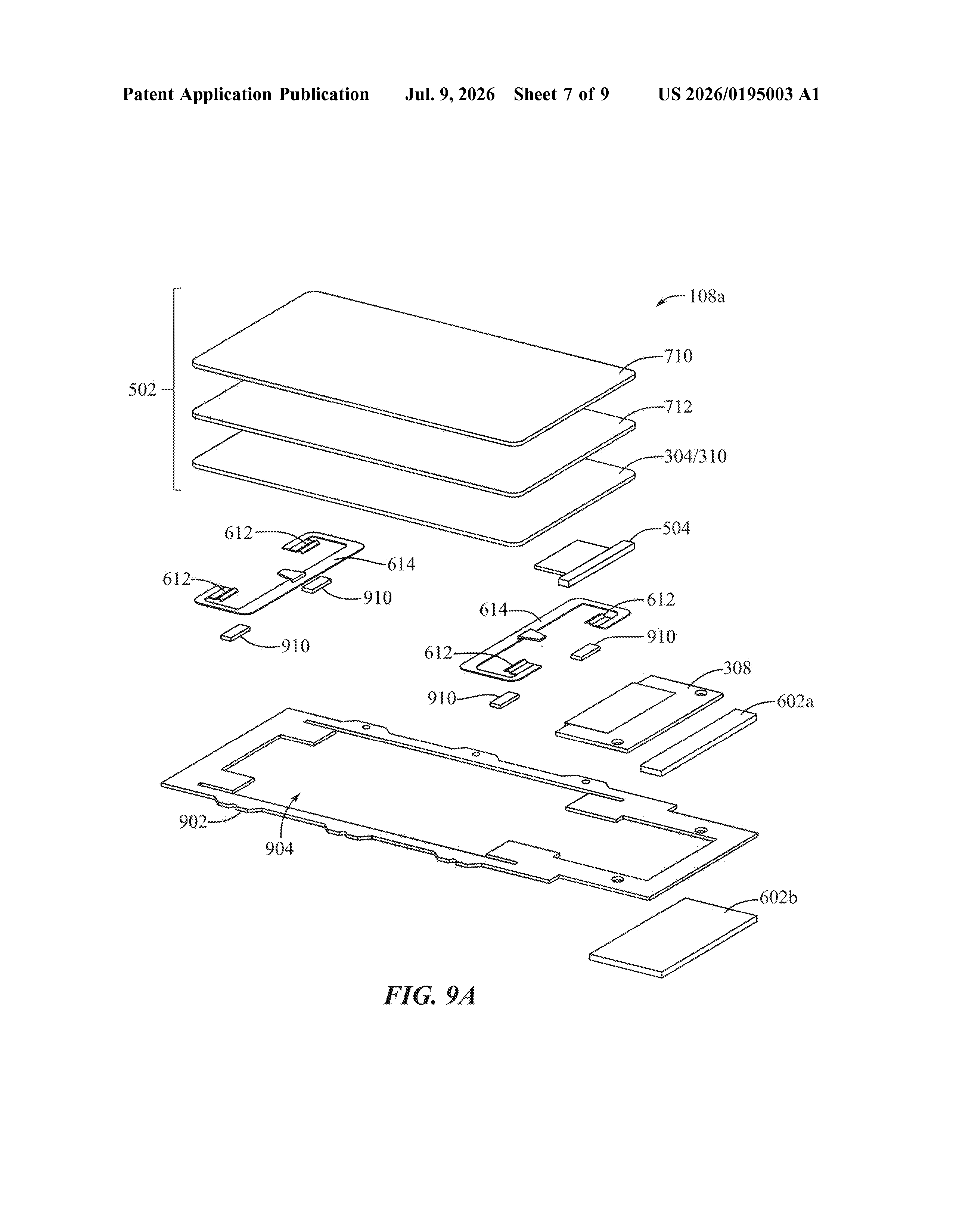
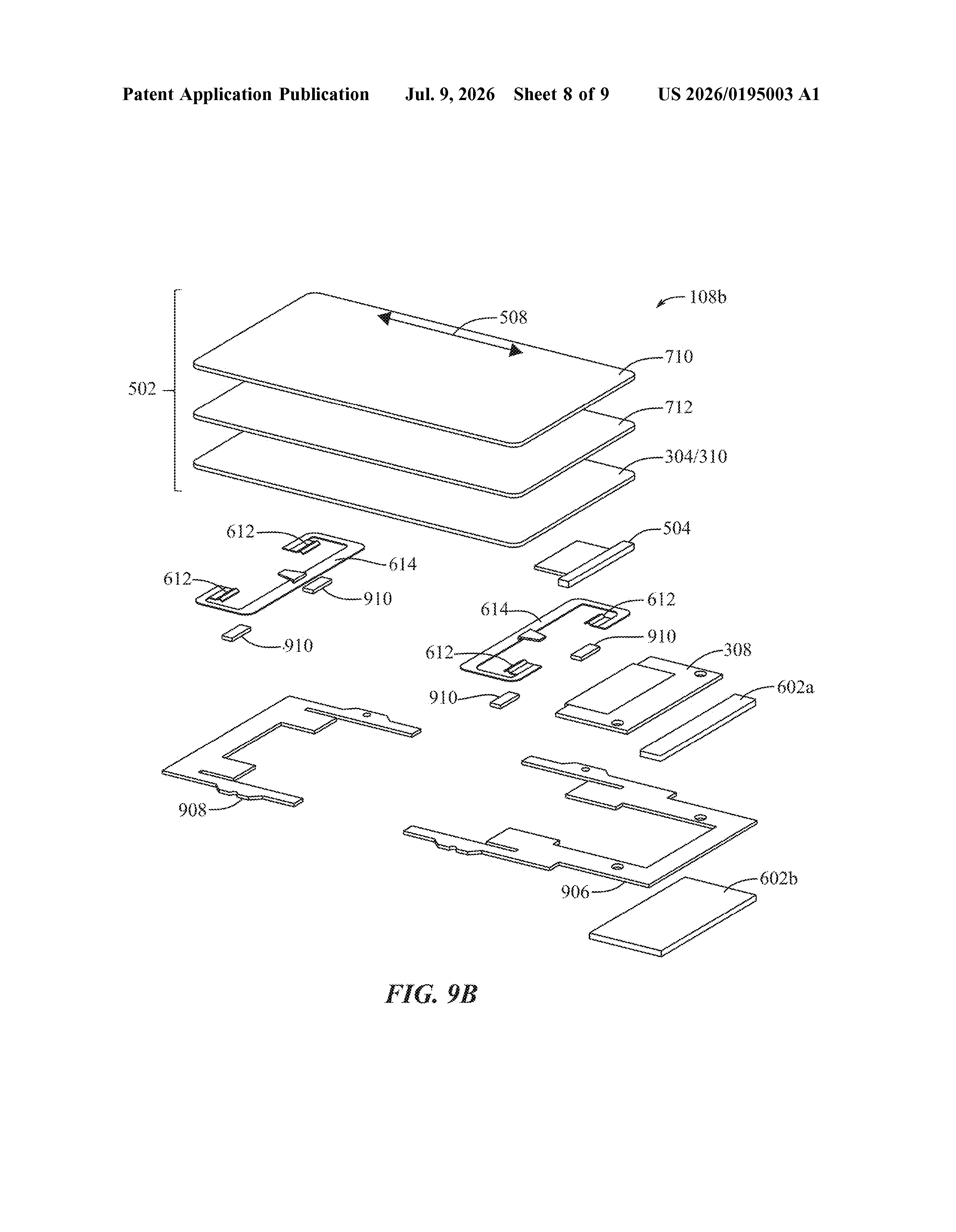
The patent describes a trackpad assembly built into a housing with a top case and a back case. The key innovation is the relationship between three components:
- Touch assembly: the glass or surface layer you actually drag your fingers across, which sits in an opening cut into the top case.
- Attraction plate: a metal plate that extends from underneath the touch surface outward, past the edge of the touchable area. This plate acts as a mechanical bridge.
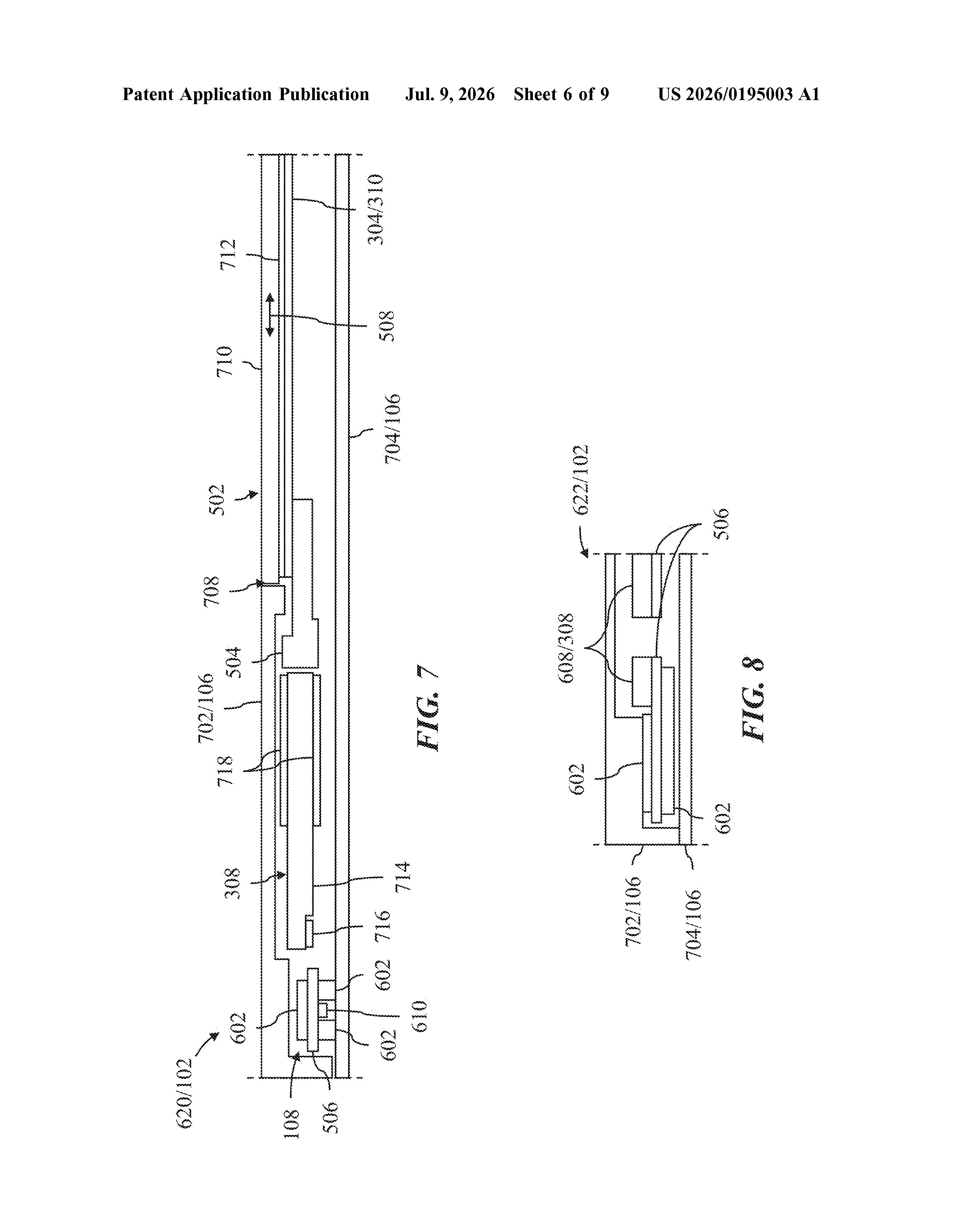
- Actuator: the haptic motor that generates the click sensation. It is bolted to a beam plate that sits between the touch assembly and the back case, positioned entirely outside the footprint of the touch surface.
When the actuator fires, it vibrates the beam plate. That vibration travels up through the attraction plate and into the touch assembly, where your fingers feel it as a click. The whole chain is mechanical, not wireless, so timing stays precise.
Moving the actuator off to the side (along the long axis of the trackpad) means the area directly beneath your fingers is no longer occupied by the motor, leaving more room in the z-direction (top-to-bottom thickness) for other components or simply a thinner overall profile.
What this means for thinner Apple keyboards and laptops
The fake-click trackpad (Apple calls it Force Touch) has been a core part of MacBook design since 2015. The quality of that click sensation depends on how well the motor's vibration reaches your fingertip, and placing the motor off to the side is a non-trivial mechanical challenge. The fact that Apple is filing patents around new actuator placements suggests engineers are actively working on the next generation of this system, likely to support thinner devices.
For you as a user, the most direct benefit would be a thinner MacBook or Magic Trackpad without any noticeable change in how the click feels. There could also be a reliability angle: keeping the motor away from the high-wear center of the pad might mean fewer failures over a device's lifespan.
This is a quiet but meaningful engineering patent. Apple has been refining Force Touch for a decade, and repositioning the actuator is the kind of incremental-but-real improvement that makes next-generation hardware thinner without sacrificing the tactile experience users have come to expect. It's not flashy, but it's the kind of foundational work that shows up in a MacBook two or three product cycles from now.
There are more where this came from
We read every patent application Big Tech publishes and send you the ones worth knowing. Plain English, free, every week.
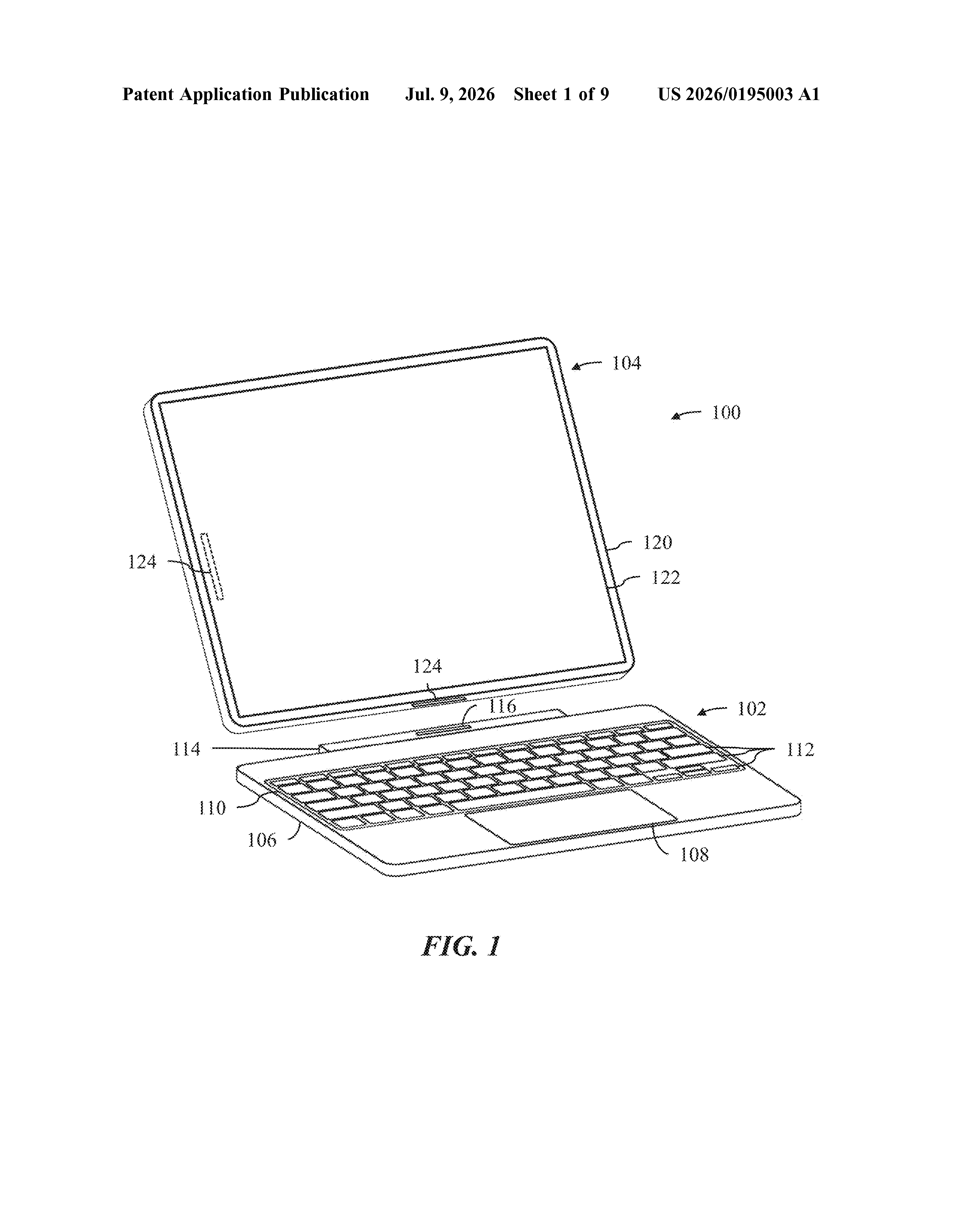
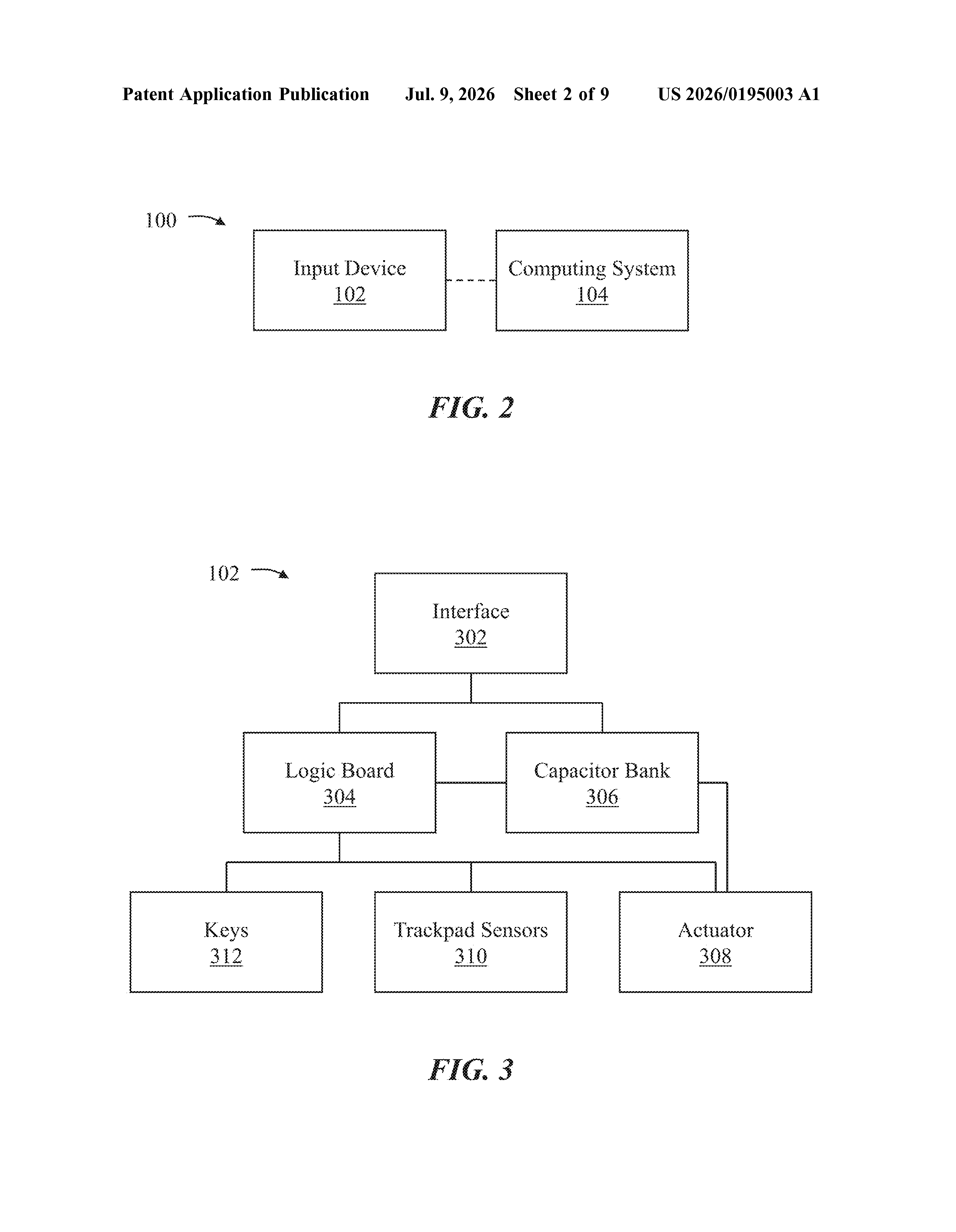
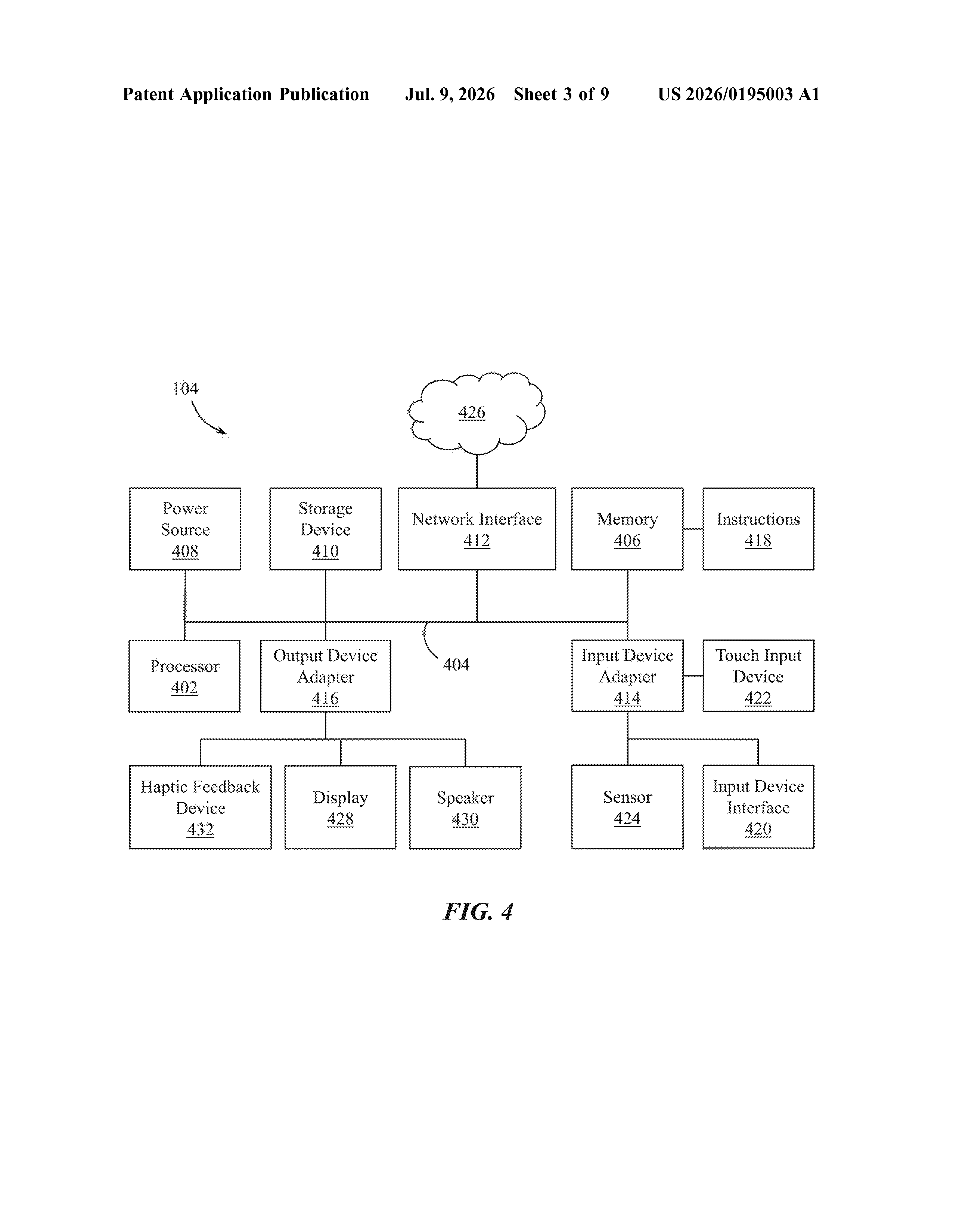
The drawings
9 drawing sheets from US 2026/0195003 A1 · click any drawing to enlarge
Want this weekly breakdown for a company we don't cover? Patentlyze Pro →