
Meta's New Wrist Tracker Patent Finds Your Optimal Wear Position
Wrist-based heart rate monitors are only as good as where you wear them, and most people have no idea they've put the band in the wrong spot. Meta is filing a patent for a system that figures it out for them.
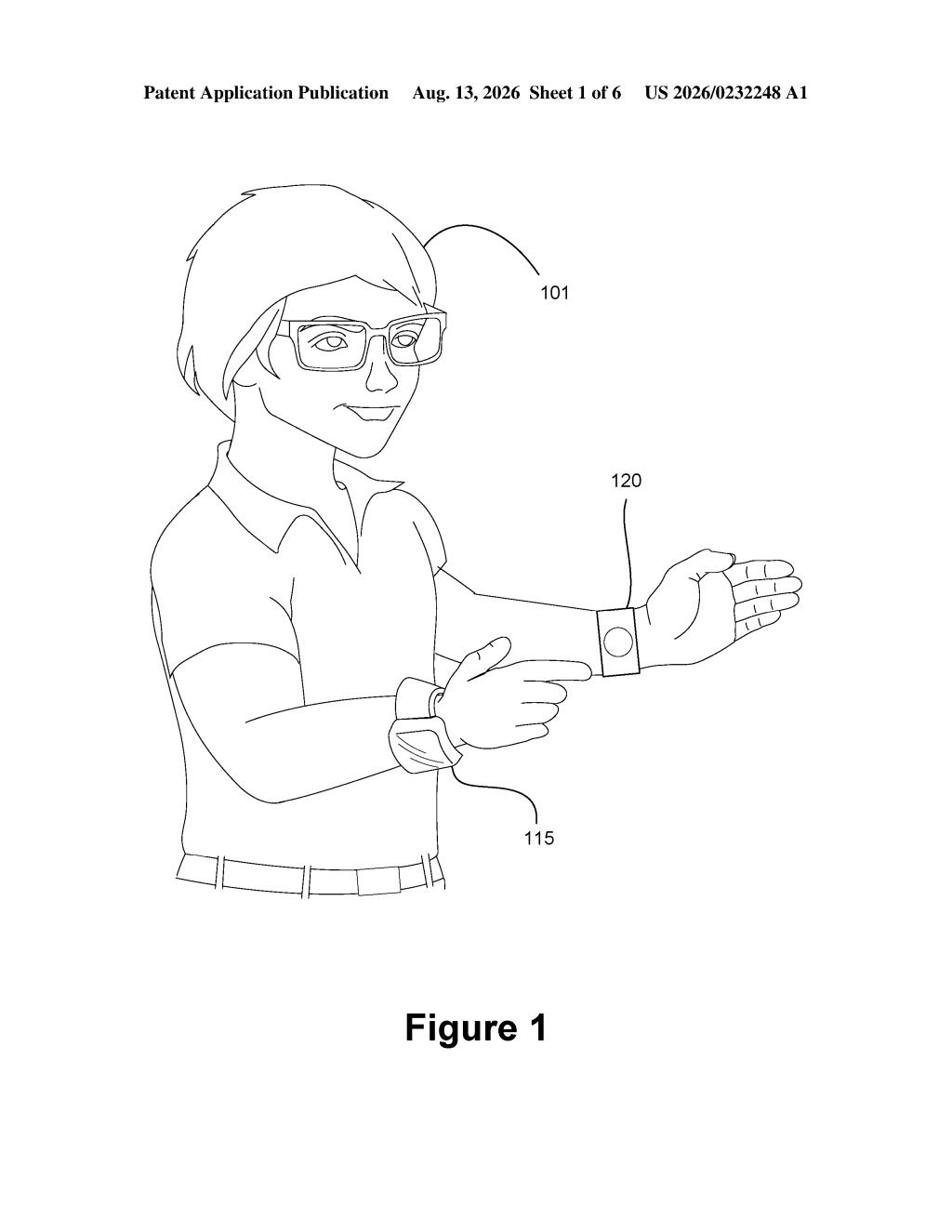
What Meta's wrist-position recommender actually does
Imagine sliding your smartwatch up your wrist a little before a workout and wondering whether that actually matters. It does, more than most people realize, and right now there's no easy way to know if you've put it in the right spot.
Meta's patent describes a system that compares readings from your wrist band against a separate, trusted reference sensor worn at the same time. It tests your band in at least two positions on your wrist and calculates how closely each one matches the reference. Whichever position produces the closest match gets flagged as the winner, and the device tells you to wear it there.
The upshot: instead of guessing, you get a personalized recommendation for exactly where on your wrist to position the band. Because everyone's wrist anatomy is slightly different, the ideal spot varies from person to person.
… determine a first placement error based on a comparison between the first PPG data and the first calibration PPG data …
Translation: The device calculates how inaccurate your heart rate reading is by comparing your watch data to a reference sensor.
How the system scores each position against a calibration device
The patent centers on a two-device setup. You wear the wrist device being calibrated (like a smartband or watch) alongside a separate calibration device that serves as a trusted reference, think of it as the control in an experiment.
Both devices use PPG sensors (photoplethysmography, which means they shine light through your skin and measure how blood flow changes the reflection) to capture pulse data simultaneously. The system then compares what your wrist band sees against what the calibration device sees.
- The band is placed at a first position on the wrist; both devices record data at the same time.
- The band is moved to a second position; again, both record simultaneously.
- The system calculates a placement error for each position, essentially a score of how far off the wrist band's reading is from the trusted reference.
- The position with the lower error score wins, and a recommendation is shown to the user.
The patent also mentions generating full physiological data (like heart rate or blood oxygen estimates) from each position's PPG data, not just raw signal comparisons, which suggests the system is evaluating real health output quality, not just signal strength.
… presenting a recommendation to the user to use the wrist-wearable device at the first position.
Translation: The system tells you exactly where to slide your watch on your wrist to get the most accurate health measurements.
What this means for health tracking on Meta's wearables
Inaccurate wrist-based heart rate data is a real, documented problem. Even a few millimeters of band position can change the quality of the optical signal, and the difference compounds over a long workout or a night of sleep tracking. A system that personalizes placement guidance could meaningfully close the gap between consumer wearable readings and clinical-grade accuracy, which is increasingly important as these devices are used to flag arrhythmias and track recovery.
For Meta specifically, this sits squarely in the company's push to build health-sensing features into its wearable lineup. The approach of using a separate calibration device during a setup session is practical: it sidesteps the need for a medical-grade sensor built into the band itself. Wearable health accuracy is one of the more actively filed areas in new Big Tech patents, and this filing reflects how seriously the major players are treating the placement-and-signal problem.
The problem this patent attacks is real and underfiled. Most wearable health patents focus on improving sensors or algorithms, but placement error is arguably the bigger factor limiting accuracy for ordinary users who don't know to tighten the band or shift it toward the wrist bone. Meta's approach, using a reference device to generate a personalized positional recommendation, is proportionate to the actual problem. The catch is friction: asking users to wear two devices simultaneously during a calibration session is a hard sell, and the patent says nothing about how short or comfortable that session needs to be.
Get our take in your Top Stories
Liked this breakdown? Add Patentlyze as a preferred source on Google, and our plain-English take shows up more often in your Top Stories the next time Meta patent news breaks.
There are more where this came from
We read every patent application Big Tech publishes and send you the ones worth knowing. Plain English, free, every week.
The drawings
6 drawing sheets from US 2026/0232248 A1 · click any drawing to enlarge


Want this weekly breakdown for a company we don't cover? Patentlyze Pro →
Be the first to weigh in