
Google Patents a Display That Hides Antennas Inside the Screen Border
Google has filed a patent describing a display that uses the thin, non-pixel gap between two screen zones to hide antennas, then covers them with an opaque coating so you never see them.
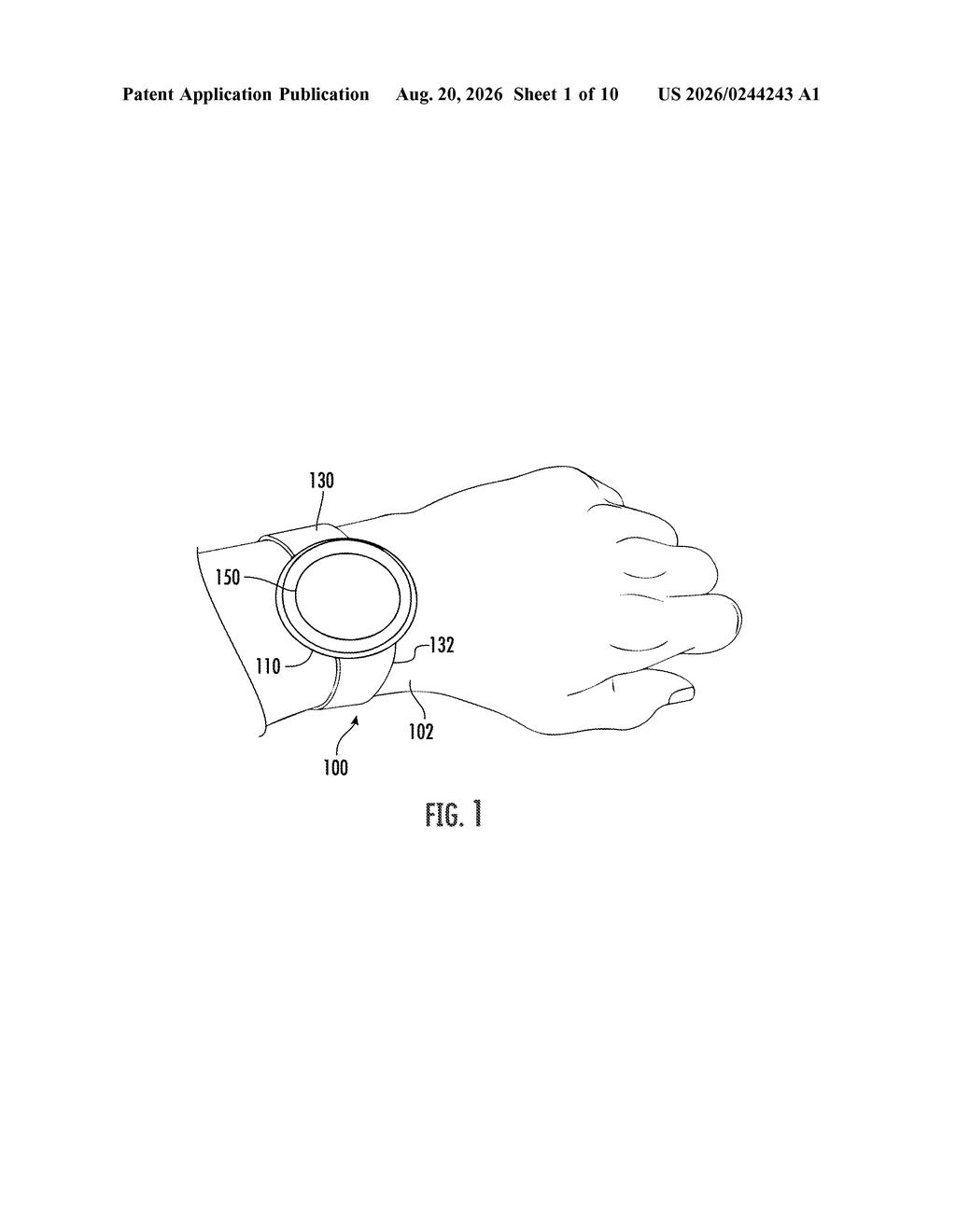
How Google hides antennas in plain sight on a screen
Every phone or tablet has to squeeze antennas somewhere inside a shrinking body. Traditionally, that means giving up real estate at the edges, which either makes bezels thicker or pushes the antenna somewhere less effective. Google wants to solve that by hiding the antenna inside the display itself.
The idea is to split the screen into two zones: a main display area in the center, and a secondary display area that wraps around the outside edge of it. Between those two zones sits a thin, non-pixel strip, which is the gap where no actual picture is drawn. Google's patent plants the antenna there, then covers it with an opaque coating on the inside of the glass so you see nothing unusual looking at the screen.
The result, in theory, is a device that keeps a full-screen look on the outside while hiding its wireless hardware in a spot that was already "wasted" space. Your screen stays large, your bezels stay thin, and the antenna stays out of sight.
… a non-pixelated region disposed within the internal volume between the first and second display areas and around the periphery of the first display area …
Translation: A blank gap sits between the inner screen and the outer screen border.
How the two-zone display and hidden antenna layer fit together
The patent describes a display assembly built around a layered, two-part screen structure housed under a single piece of cover glass.
The display has two distinct pixel regions:
- First display area: the main, central screen where most content appears.
- Second display area: a secondary ring of pixels that wraps around the outer edge of the first, sitting in the peripheral portion of the internal volume under the glass.
- Non-pixelated region: a thin band between the two pixel zones, essentially a gap where no pixels exist. This is where the antenna lives.
The antenna region places at least one antenna inside that non-pixelated band. Because that strip runs around the whole perimeter of the main display, the antenna gets a relatively long path to work with, which can help signal quality. An opaque coating is then applied to the inner surface of the cover glass directly above the antenna. From the outside, the glass looks uniform; the coating acts as a visual mask.
The engineering payoff is that the antenna occupies space that is already structurally necessary (the gap between two display panels) rather than carving out new space from the chassis or the visible screen area.
… an opaque coating arranged on an inner surface of the display cover so as to cover the antenna arranged within the non-pixelated region …
Translation: A dark layer on the glass hides the hidden antenna from view.
What this means for thin-bezel Google devices
For anyone who has watched phone bezels shrink year after year, the question of where antennas go is a real engineering puzzle. This patent points to one answer: fold the antenna into the display stack itself, using a gap that already has to exist to separate two pixel regions. If that works at manufacturing scale, it could mean devices with thinner frames and no antenna-performance penalty from cramming hardware into an awkward corner of the chassis.
The tradeoff is real, though: adding a secondary pixel ring around the main display, plus a masking coating, adds complexity and cost to the display module. Engineers working on thin-bezel hardware, foldables, or wearables will find this approach worth studying, and it fits into the broader stream of Big Tech patent news around display integration, where companies are increasingly treating the screen stack as a place to hide hardware that used to live in separate compartments.
Google's 600th filing we've tracked since May in our Google coverage follows applications like a dual-sensor camera and a redundant brake system.
Hiding the antenna in the gap between screen pixels is a smart idea. But it shifts real costs onto the display team: they now need an extra ring of pixels to make the gap work, a dark coating that must line up perfectly or look broken, and a join between two pixel areas that will cause failures on the factory floor.
The patent says nothing about whether the antenna actually performs better than a simpler version mounted on the phone frame. That question matters more than the clever layout.
Until someone proves the antenna is worth those tradeoffs, this design solves a problem in style while leaving the harder problem untouched.
There are more where this came from
We read every patent application Big Tech publishes and send you the ones worth knowing. Plain English, free, every week.
The drawings
10 drawing sheets from US 2026/0244243 A1 · click any drawing to enlarge


Want this weekly breakdown for a company we don't cover? Patentlyze Pro →
Be the first to weigh in