
Samsung Patents a Two-Layer Adhesive System for Foldable Phone Screens
The crease in a foldable phone screen is one of the most complained-about details in the category. Samsung's latest patent targets the structural layer directly underneath that screen, trying to solve the tension between 'flexes easily' and 'stays rigid when open.'
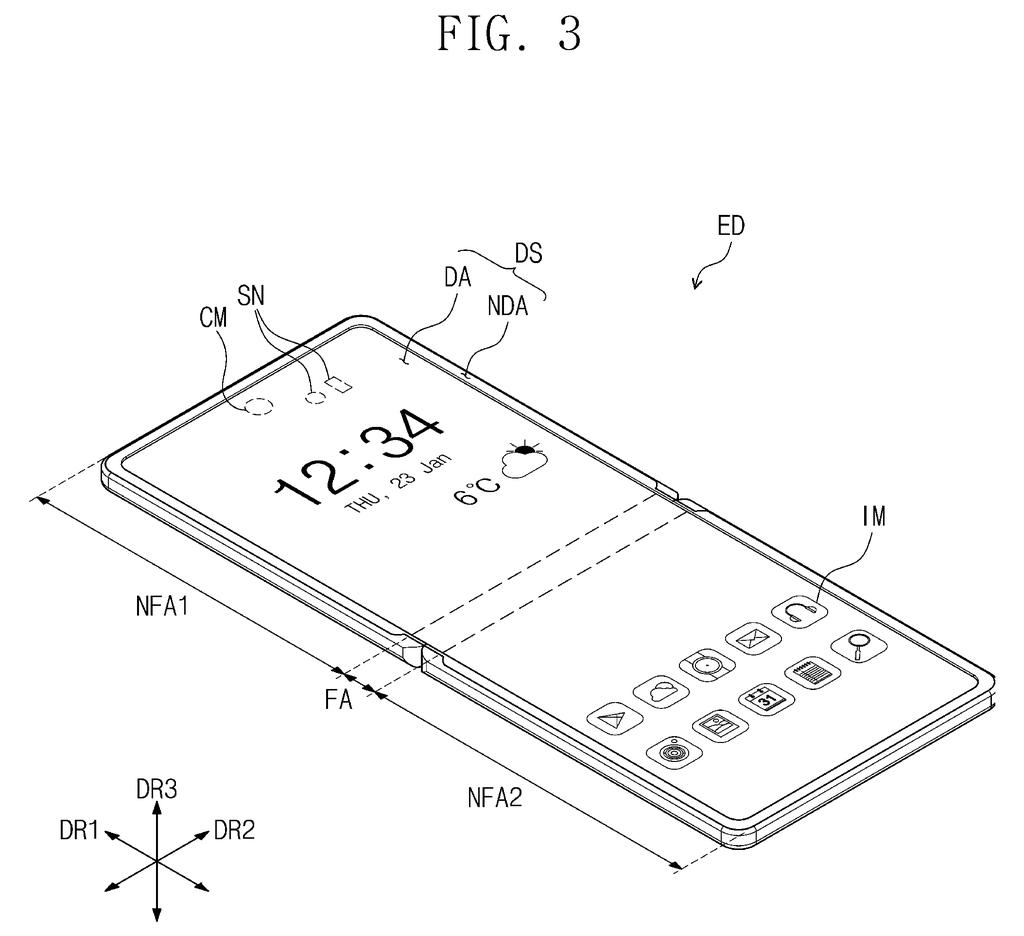
What Samsung's layered screen backing actually does
Foldable phones have a fundamental tension built into them: the screen needs to bend hundreds of thousands of times without breaking, but it also needs to feel solid and flat when you're actually using it. Today's designs use support plates under the display to add stiffness, but those plates have to be cut with holes where the screen folds, which can leave the fold zone feeling soft or uneven.
Samsung's patent describes a sandwich of two support plates with a specially engineered glue layer between them. That glue isn't the same everywhere: it's softer and more flexible in the area that bends, and stiffer in the flat parts of the screen. The idea is that each zone gets exactly the mechanical behavior it needs, rather than a single material that's always a compromise.
For you as a user, the goal is a phone that folds cleanly without the hinge zone feeling spongy, and opens flat without the screen popping up or showing a pronounced crease over time.
… a (1-1)-th support plate which is disposed below the display module, and in which first openings overlapping the folding region are defined …
Translation: The upper metal plate has cutouts in the bending area to make it flexible.
How the two adhesive zones split their jobs
The patent describes a display device built around two metal or composite support plates stacked beneath the foldable screen. Both plates have cutouts (called "openings" in the filing) in the area that bends, so the hinge can actually move. Between those two plates sits an adhesive layer that does something specific: it isn't uniform.
The adhesive is divided into two chemically or structurally distinct zones:
- First adhesive layer: sits in the fold zone, aligned with the cutouts. This portion is engineered to be more compliant (meaning it deforms without cracking or delaminating when the hinge bends).
- Second adhesive layer: covers the flat, non-folding portions of the display. This portion is stiffer, bonding the two support plates into a more rigid assembly so the screen feels solid under your palm.
The two-plate design with offset or staggered openings also distributes bending stress across a wider area rather than concentrating it at a single seam. Think of it like a two-ply cardboard: neither layer alone is as strong as the combination, and the glue between them controls how the whole stack behaves under repeated flexing.
The patent covers the specific geometry of how the openings in each plate can be positioned relative to each other, and how the adhesive transitions between the two rigidity zones.
… a second adhesive layer overlapping the non-folding region and having a rigidity which is different from a rigidity of the first adhesive layer …
Translation: The glue holding the plates together has different stiffness levels in the folding and flat zones.
What this means for the crease on your foldable phone
The crease and hinge-zone softness are two of the biggest complaints real people have about current foldable phones. A structural fix that happens entirely inside the device, without adding bulk or changing the glass on top, is exactly the kind of incremental engineering that actually moves products forward. If this approach works as described, it could mean foldables that feel more like a traditional phone when open and fold more confidently without the hinge area flexing in ways the screen doesn't expect.
The engineering challenge here is genuinely hard: the fold zone of a display panel experiences repeated mechanical stress that nothing in a conventional phone has to handle, and every material in that stack has to survive it. Samsung Display's focus on the adhesive layer between support plates reflects how far foldable design has pushed into materials science territory. Coverage of the latest Big Tech patents in foldable display engineering shows this structural-layer approach appearing across multiple filings, suggesting the industry sees the support stack, not just the glass, as the next frontier for crease reduction.
Samsung's 55th filing we've tracked on our foldable phone patents watchlist since May builds on ideas like corner magnets keeping phones closed and blocking accidental touches on opening.
People who own foldable phones consistently complain about two things: the visible crease where the screen bends, and how stiff that bending zone feels. Both problems come from the same place. The internal support layers are not built to handle stress differently across different zones of the phone.
Samsung's fix targets exactly that. The support plates inside the phone now use a firmer bonding material in the area that stays flat, and a more flexible bonding material in the area that actually folds. That change addresses the real source of the problem, right where the strain builds up.
The solution fits neatly into how these phones are already made, so it does not require rebuilding the factory process from scratch. It is specific enough to be practical, and substantial enough to actually reduce the wear and creasing that makes people lose faith in foldable phones over time.
Get our take in your Top Stories
Liked this breakdown? Add Patentlyze as a preferred source on Google, and our plain-English take shows up more often in your Top Stories the next time Samsung patent news breaks.
There are more where this came from
We read every patent application Big Tech publishes and send you the ones worth knowing. Plain English, free, every week.
The drawings
27 drawing sheets from US 2026/0244248 A1 · click any drawing to enlarge


Want this weekly breakdown for a company we don't cover? Patentlyze Pro →
Be the first to weigh in