
Apple Patents a Two-Sensor Check to Tell If You're Wearing Your Headset
Your headset shouldn't burn power displaying things when it's sitting on your desk. Apple's latest patent tackles the trickier part of that problem: figuring out when something near the headset is actually you.
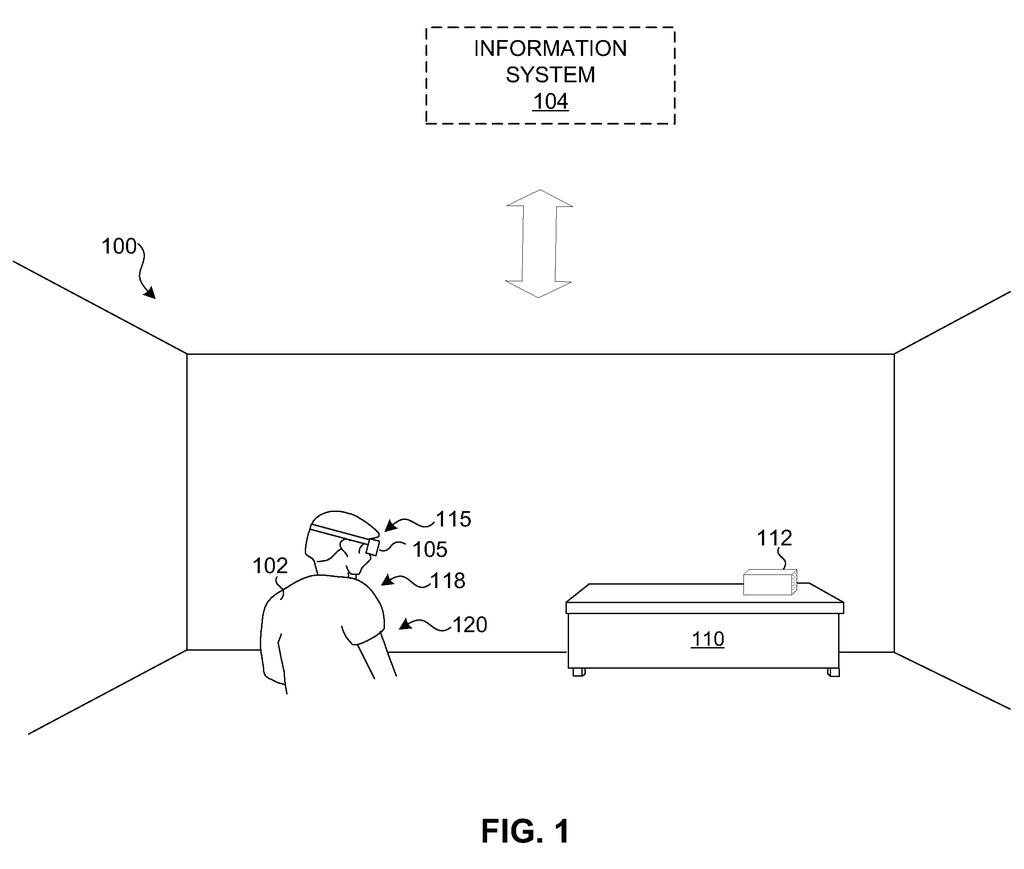
What Apple's headset presence detection actually does
Imagine your Apple Vision Pro is resting face-down on a coffee table. A proximity sensor might still "see" the table surface and think a face is nearby, leaving the display running for no one. That wastes battery and shortens the screen's life.
Apple's patent describes a system that doesn't rely on just one sensor reading. It checks a second stream of sensor data to confirm whether the object detected near the headset is actually a human face or something else entirely, like a cushion, a bag, or a flat surface. Only when both checks agree that you are wearing it does the display switch on.
The idea is to make the on/off decision more reliable without making you wait. A single bad reading won't accidentally keep your display dark, and a nearby object won't waste your battery by triggering the screen for no reason.
obtaining first sensor data and second sensor data based on one or more sensors; based on the first sensor data, detecting an object within a threshold distance of the HMD; based on the second sensor data, determining whether the detecting of the object corresponds to a user wearing the HMD or a circumstance different than the user wearing the HMD …
Translation: The headset uses two sets of sensor data to figure out if a human is actually wearing it or if it is just sitting on a table.
How two sensor streams catch a false positive
The patent describes a method running on the headset's processor that pulls in two separate sensor data streams simultaneously.
First sensor data handles proximity: it detects whether any object is within a defined threshold distance of the HMD. This is the basic "something is close" check, similar to how your phone's screen turns off when you hold it to your ear.
Second sensor data does the discrimination work. It takes the proximity trigger as a starting point and then asks a harder question: is the detected object a human wearing the device, or is it something else (a table, a carrying case, another person's hand)? The patent doesn't lock in a specific sensor type for either role, leaving room for cameras, infrared emitters, capacitive sensors, or combinations of those.
Based on the combined reading, the system either activates or deactivates the display by changing its state. The claim covers both directions: turning the screen on when you put the headset on, and turning it off when you take it off or set it down. The two-step check is the core of what's being patented here.
… activates or deactivates the display of the HMD by changing a state of the display …
Translation: The device turns its screens on or off depending on whether someone has put it on.
What this means for Apple Vision Pro battery life
For you as a headset owner, this is about battery life and display longevity. A display that switches off reliably when you set the headset down, and switches on quickly when you pick it up, is one less thing to manage. You don't have to tap a button or wait for a timeout.
For Apple, Apple has been filing around head-mounted display sensing since 2022, the stakes are higher. The Vision Pro is an expensive device where every watt of battery matters and every unnecessary display-on cycle ages the screen. A more accurate presence detector also reduces user frustration, because false negatives (headset on your face, display dark) break immersion in ways that feel like a product defect rather than a power-saving feature.
Apple's 60th filing we've tracked since May on Apple AR glasses applications builds on earlier work like hand tracking in the dark and scanning heads for a custom fit.
Claim 1 covers any headset that uses two separate data inputs to answer one question: is the thing near this device a person actually wearing it, or something else? Apple wrote the claim without naming specific sensors or describing how the software reaches its conclusion, so the coverage extends across nearly any hardware combination a manufacturer might choose.
That breadth has real consequences. Any headset maker building a two-step confirmation system to control display power would fall within this patent's reach, because the claim draws a fence around the concept of checking twice before waking the screen.
The underlying problem Apple is solving is simple: a headset sitting in a bag should not drain its battery because one sensor thought it detected a head. As written, Claim 1 makes Apple the gatekeeper for the most commonsense fix to that problem, which is requiring a second layer of confirmation before the screen turns on.
There are more where this came from
We read every patent application Big Tech publishes and send you the ones worth knowing. Plain English, free, every week.
The drawings
8 drawing sheets from US 2026/0276985 A1 · click any drawing to enlarge


Want this weekly breakdown for a company we don't cover? Patentlyze Pro →