
Samsung Patents a Clock Screen That Adjusts Your Medication Reminders Automatically
Samsung is filing a patent for a clock screen that knows when you take your medication and shifts the reminder alert to match, so you see a visual cue on your screen right when the timing is actually useful.
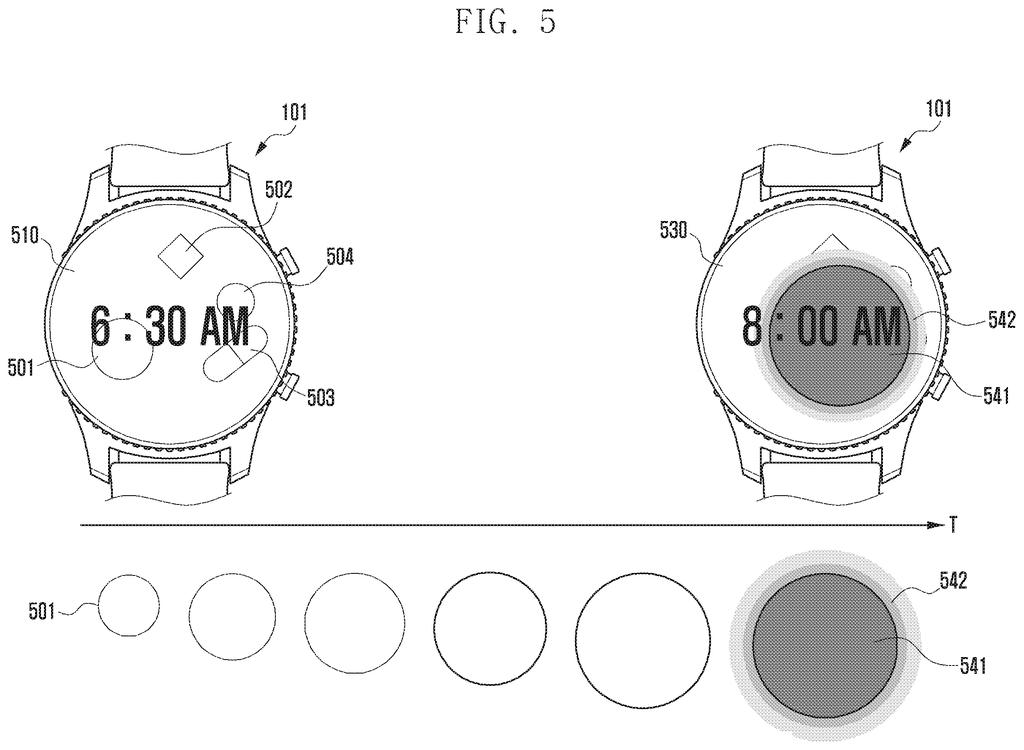
What Samsung's adaptive pill-reminder clock actually does
Imagine you take a blood pressure pill every morning, but your schedule shifts around. A static alarm going off at exactly 8:00 a.m. every day doesn't know if you're already awake and ready, or still asleep. Samsung's patent describes a smarter system built right into your device's clock screen.
The idea is that your device tracks your medication schedule and figures out whether the usual reminder time needs to be nudged forward or back based on conditions it identifies. When the adjusted moment arrives, an icon for your pill lights up with a visual effect, right on the clock screen you're already looking at.
Instead of a jarring alarm, you get a visual prompt tied to a schedule that bends around your life. It's a small shift, but for people managing multiple medications with different timing windows, having the reminder appear at a genuinely useful moment matters.
display a clock screen including an icon for at least one medication, based on the medication intake schedule information, identify a notification time for taking the at least one medication …
Translation: The device shows a clock face with pill icons based on your prescription schedule.
How the device picks the right moment to show the pill alert
The patent describes an electronic device (likely a phone, tablet, or smartwatch) that stores your medication intake schedule in memory. A processor reads that schedule and does four things in sequence.
- It displays a clock screen that includes an icon representing each medication you need to take.
- It identifies the notification time for each medication based on your stored schedule.
- It identifies an adjustment condition, a set of rules or detected circumstances that determine whether the notification should fire earlier, later, or on time.
- It adjusts the output timing of the notification signal based on that condition, then triggers a visual effect on the clock screen tied to the relevant medication icon.
The patent does not spell out every possible adjustment condition in the claim itself, leaving that deliberately open. The core mechanic is the loop: schedule in, condition checked, timing shifted, visual cue shown. The claim covers the whole chain from stored schedule to on-screen animation, which is a fairly broad sweep of the medication-reminder experience on a personal device.
… adjust an output time point of the notification signal for the intake of the at least one medication, based on the identified adjustment condition of the medication intake-related notification signal …
Translation: It automatically shifts your reminder alert times when certain conditions are met.
What this means for Samsung's health-tracking devices
Medication adherence is a real and widespread problem. People miss doses not just from forgetfulness but because reminders arrive at moments when they are inconvenient or easy to dismiss. A system that can shift the alert to a more contextually appropriate moment has practical value, particularly for older users or people managing complex drug regimens.
For Samsung, this fits a pattern of building health features into Galaxy devices and wearables. Samsung has been filing around health monitoring and personal care features since at least 2022. A medication reminder that lives on the clock face, the first thing you glance at, is a low-friction way to surface health data without opening a dedicated app. Whether this ends up on a Galaxy Watch, a Galaxy phone's always-on display, or both is the interesting open question.
Samsung's 1314th filing in our Samsung coverage since May continues a robot-docking thread that includes a shaped wheel and self-extending contacts.
Claim 1 is written broadly enough to cover any electronic device that stores a schedule, identifies an adjustment condition, and triggers a visual effect on a clock screen. That construction doesn't require a specific sensor input or a specific type of condition, which means the claim could reach a wide range of implementations.
In practice, that breadth cuts both ways. A broad claim is harder to design around, but it also faces a higher bar at the patent office because prior art in digital medication reminders is deep. Smart pill apps, alarm systems with snooze logic, and calendar-linked health apps have existed for years, so the novelty argument likely rests on the specific combination of the clock-screen display, the icon-tied visual effect, and the adjustable timing chain.
As an editorial matter, this is a sensible quality-of-life filing, not a fundamental invention. The value is in the user experience detail, specifically putting the reminder on the clock face rather than in a notification tray, and letting the device decide when to show it. That's a real usability improvement for health-focused devices, even if the underlying idea is incremental.
There are more where this came from
We read every patent application Big Tech publishes and send you the ones worth knowing. Plain English, free, every week.
The drawings
21 drawing sheets from US 2026/0272785 A1 · click any drawing to enlarge


Want this weekly breakdown for a company we don't cover? Patentlyze Pro →