
Microsoft Patents a Way to Catch Bugs in the Tools That Find Bugs
Code-checking software is supposed to catch errors before they reach you, but what happens when the checker itself is wrong? Microsoft has filed a patent for a system that automatically spots when a code analysis tool is lying.
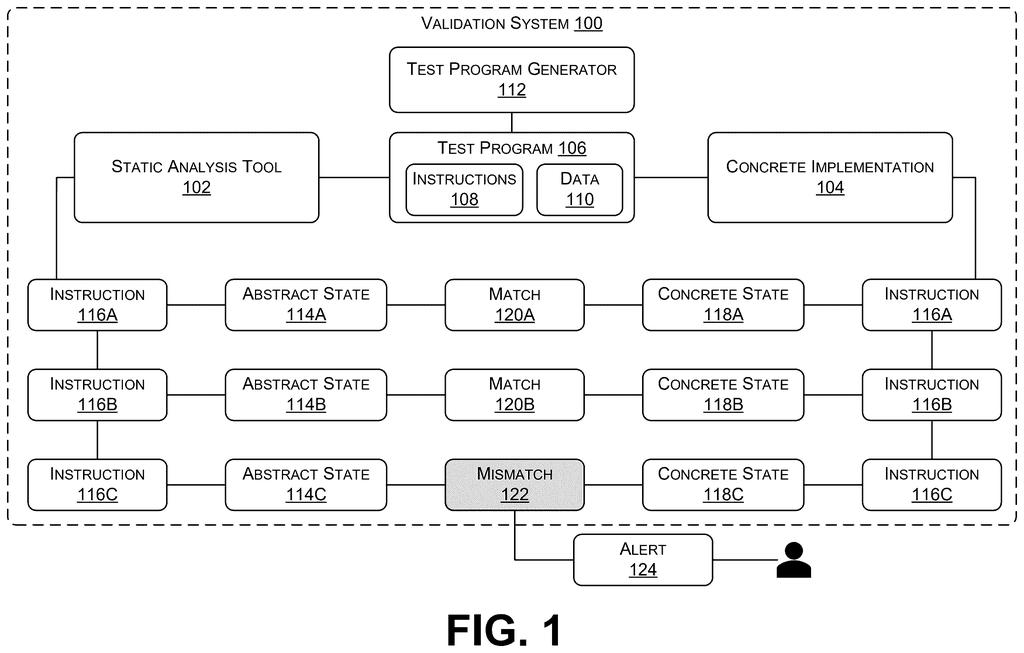
What Microsoft's code-checker validation actually does
Every time a developer ships an update to an app on your phone, automated tools scan that code looking for mistakes before a human ever reviews it. Those tools are trusted almost blindly, but they can have their own bugs, and when they do, real errors slip through to you.
Microsoft's patent describes a system that runs the same code through two different lenses at once. One lens is the analysis tool itself, which predicts what a piece of code should do based on math and logic. The other lens is an actual machine that runs the code and reports what it actually does. If the two answers disagree, the system fires an alert pointing to exactly which line of code caused the disagreement.
The practical idea is simple: check the checker. By comparing the predicted result with the real result automatically, Microsoft's system can catch errors in analysis tools that would otherwise go undetected for months or years.
A static analysis tool is an automated software tool that evaluates the behavior of a given computer program using rigorous mathematical methods and without executing the program.
Translation: It analyzes code using math without actually running it.
How the abstract and concrete states get compared
The patent describes a validation method built around a deliberate head-to-head comparison. A test program with known inputs is fed to two separate systems simultaneously.
The first system is the static analysis tool, software that reads code without running it. It uses formal mathematical reasoning to predict what value each instruction in the program should produce. That prediction is called the abstract state (think of it as the tool's best educated guess about what the code will do).
The second system is a concrete implementation, typically a virtual machine that actually executes the test program line by line and records what each instruction actually produced. That real-world output is called the concrete state.
After each instruction, the patent's method compares the two states. If the static tool predicted a value of, say, 42 but the machine produced 43, that mismatch is flagged immediately. The system generates an alert that identifies the specific instruction where the disagreement occurred, giving engineers a precise starting point for diagnosing what went wrong in the analysis tool itself.
… identifying a mismatch between the concrete state and the abstract state at the instruction of the test program, wherein the mismatch is identified by the by specific value included in the concrete state being different from the expected value defined by the abstract state …
Translation: It flags an error when the tool's prediction does not match what the code actually does.
What this means for software you rely on daily
Static analysis tools are embedded deep in the software pipelines that build the apps, operating systems, and cloud services you use every day. A flaw in one of those tools does not just affect one piece of code: it can approve broken code across thousands of programs for as long as the flaw goes undetected.
For end users, that means a validated analysis tool is a quieter form of protection, one that works before a developer even thinks to check. Microsoft's system would make it easier to run these checks continuously and automatically, rather than relying on a human to eventually notice that a tool started producing wrong answers. The benefit is not dramatic or visible; it shows up as fewer mysterious app crashes and security gaps that never happen.
Microsoft filed its 36th application we've tracked in our AI teams working together watchlist since May, building on grading and repairing agents and picking the right helpers.
The tools that check software for bugs can themselves contain bugs, and when they do, bad code slips through wearing a clean bill of health. Microsoft's patent addresses that gap by automatically comparing what a bug-checking tool *predicts* will happen in a program against what actually happens when the program runs.
For the person using a phone, laptop, or cloud service, this is invisible infrastructure. You would never see it working. What you might eventually not see is a crash, a corrupted file, or a security patch that arrives because a problem made it into shipping software.
That asymmetry, between a feature you never notice and a failure you very much would, is why this matters. Better-validated checking tools mean more of the bugs that should be caught actually get caught before the software reaches you.
There are more where this came from
We read every patent application Big Tech publishes and send you the ones worth knowing. Plain English, free, every week.
The drawings
12 drawing sheets from US 2026/0300142 A1 · click any drawing to enlarge


Want this weekly breakdown for a company we don't cover? Patentlyze Pro →
Be the first to weigh in