
Samsung Files Patent for Restoring Lost Detail in Heavily Zoomed Phone Photos
Samsung's latest patent filing goes after the smooth, painted look that heavy digital zoom gives your photos, by adding the right kind of grain in the right places.
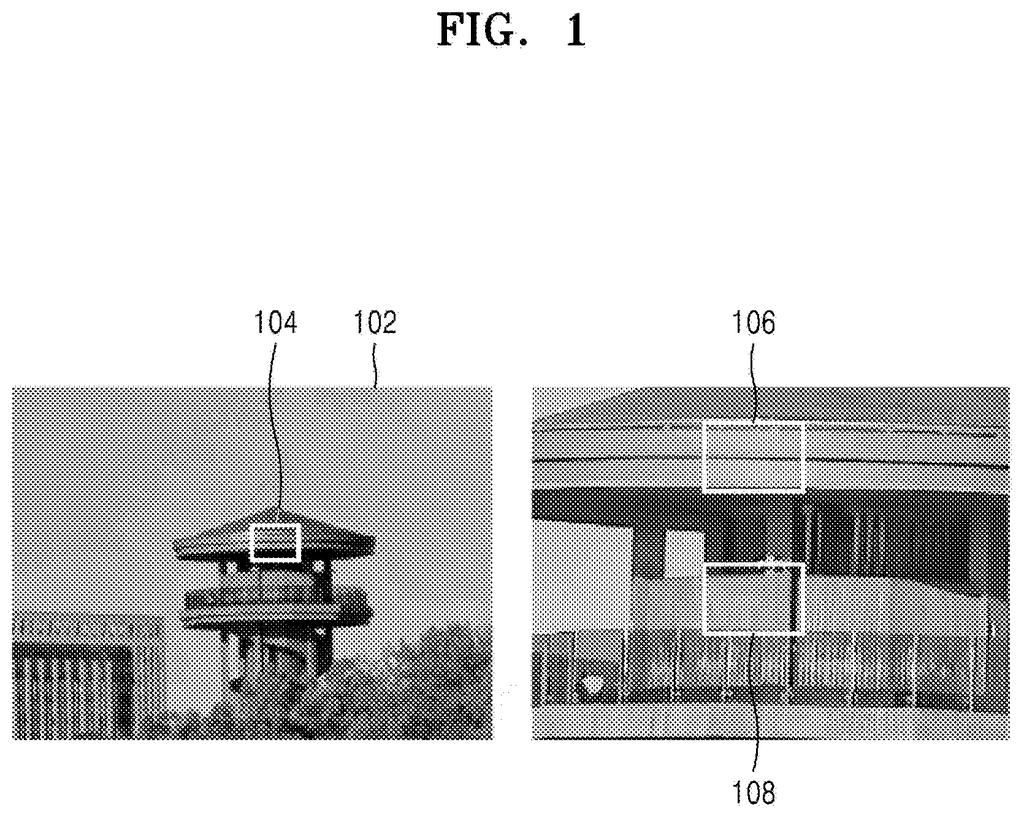
What Samsung's texture patent does to zoomed photos
You're at a concert, zoomed all the way in on the singer, and the photo comes out looking like an oil painting. Skin is smooth, the backdrop is mush. That's what heavy digital zoom does: it crops and stretches the picture, and the fine texture gets lost.
Samsung's patent describes a way to put believable texture back. The phone first works out what's in the picture: skin, sky, clothing, a wall. Then it checks the lighting, how far you've zoomed, and what's moving. From that it decides how much grain each patch of the photo should get, and what kind.
A well-lit face or a bright window gets little or none, so it stays clean. A shadowy wall gets more, so it looks like a real wall. The goal is a zoomed photo that looks natural instead of fake.
generating a texture map based on at least one of the visual frame or a segmentation map of the visual frame, wherein the texture map indicates a texture type for at least one region in the visual frame; …
Translation: The software categorizes the surfaces in your photo before trying to fix them.
How the phone decides where grain goes and how much
The system starts with a photo or a video frame, either live from the camera or saved on the phone. A segmentation step (software that labels every region of the picture, such as skin, sky, clothing or a window) sorts the scene. Using those labels and measurements of how rough each area is, it builds a texture map that records what kind of surface each region is.
Next it builds auxiliary maps, extra layers of context:
- Illumination map: how bright each spot is, so bright areas can get less grain.
- Zoom and weight map: uses the sensor's sensitivity (its gain) and the zoom level, so a dark shot that already has sensor grain doesn't get extra.
- Optical flow map: shows which parts are moving, using the video frames and motion-sensor data.
All of these combine into a comprehensive weight map, a grain-strength setting for every pixel. The system then picks a noise sample for each region from a set of machine learning models, each tied to a texture type, such as film grain, camera-sensor noise or fractal noise (a smooth, natural-looking pattern). The chosen grain is blended into the frame.
In video, still areas like walls keep consistent grain from frame to frame to avoid flicker.
… generating a comprehensive weight map based on the segmentation map, the texture map, and the at least one auxiliary map.
Translation: The phone combines all its analysis data to figure out how much digital noise to add.
Why Samsung cares about 100x zoom photos
If your phone camera could do this, the far end of the zoom would look less like a smeared painting. The filing points to phones without a dedicated telephoto lens, such as mid-range models, which depend on digital zoom for most of their reach. It also notes that flagship phones stretch telephoto shots to 30x or even 100x.
The filing stresses that the method is light enough to run on the phone itself, unlike heavier image generators it calls too demanding for real-time use. That matters for live video, where grain has to stay consistent from frame to frame. Keep in mind this is a patent application, and nothing in it says the idea will reach a product.
Samsung's 166th filing we've tracked in our camera sensor work since May builds on the thumbnail mismatch fix and the shadow and highlight capture fix.
Zoom is a headline camera spec, and the painted look at the far end is a complaint anyone who has zoomed in on a bird or a stage has run into. The filing itself talks about 30x and even 100x digital zoom, where the picture is mostly stretched guesswork. That's a real annoyance, though a cosmetic one: nobody loses anything important when a wall looks a bit smooth.
The fix matches the size of the problem. It adds believable grain in the right places, and the filing pitches it as light enough to run on the phone. It cannot bring back detail the lens never captured, so a readable license plate at 100x stays out of reach.
Grain tuned to skin, sky and shadows is a sensible polish step. The motion check that keeps grain from flickering in video is the part you'd most likely notice. Expect a modest improvement.
Get our take in your Top Stories
Liked this breakdown? Add Patentlyze as a preferred source on Google, and our plain-English take shows up more often in your Top Stories the next time Samsung patent news breaks.
There are more where this came from
We read every patent application Big Tech publishes and send you the ones worth knowing. Plain English, free, every week.
The drawings
12 drawing sheets from US 2026/0350862 A1 · click any drawing to enlarge


Show the other 4 sheets


Want this weekly breakdown for a company we don't cover? Patentlyze Pro →
Be the first to weigh in