
Qualcomm
Qualcomm · Automotive · Filed Apr 9, 2026 · USPTO published Nov 12, 2026 · This week's release
Qualcomm Files Patent for a Self-Driving Car That Explains Moves You Once Overrode
Your self-driving car makes a move you don't understand, you grab the wheel, and then you do the exact same thing yourself. Qualcomm's patent application treats that moment as a clue that the car should have explained itself.
- Publication number
- US 2026/0356387 A1(US20260356387A1)
- Applicant
- QUALCOMM Incorporated
- Filed · Published
- Apr 9, 2026 · Nov 12, 2026
- Inventors
- Rachel Gray ALEXANDER, Shabin MAHADEVAN, Annika LARSSON
- Status when we published
- Waiting for an examiner
- Document
- 20 claims
- US classification
- 701/23
- Parent application
- Continuation of 18/450,330 (filed Aug 15, 2023)(18450330)
What Qualcomm's takeover-learning car actually does
Imagine your car is driving itself on the highway and slows down before a lane change. It looks like a mistake, so you grab the wheel and make the same lane change yourself. The car had it right. You just didn't know why.
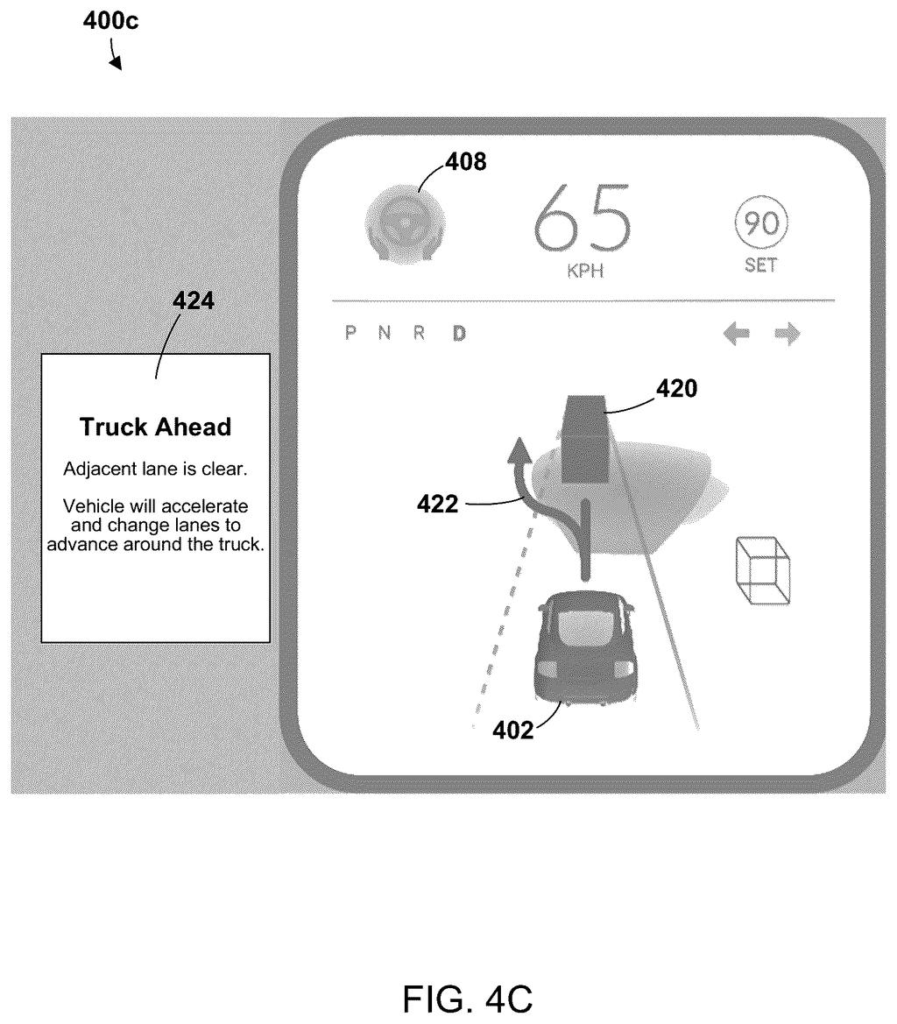
Qualcomm's patent application describes a system that notices exactly that. If you take over and then do nearly what the car was about to do, the system treats it as a sign you didn't trust the move. The next time the car plans something similar in similar conditions, it shows you a heads-up first, such as a message that there's a truck ahead and the car plans to change lanes.
The cue can change if you react badly to it. The claims also cover sending these situations to a remote server, so other drivers' cars can show the same warning.
determine that a driver assumes control of a vehicle from an autonomous driving system (ADS) during an ADS-initiated first driving maneuver; determine a driving maneuver by the driver initiated within a threshold time differs from the first driving maneuver by less than a threshold difference; …
Translation: The car notices when you take the wheel right after it tries to make a move.
How the car learns which takeovers were needless
The system watches for a specific pattern. The car's autonomous driving system (the software that steers, brakes and changes lanes on its own, called an ADS) starts a maneuver, and the driver takes over. Then, within a set threshold time, the driver performs a maneuver that differs from the car's plan by less than a threshold difference. The filing compares the path, speed and acceleration, and says the window can be a few seconds for something like an exit ramp, or a minute or two for a lane change.
When that pattern shows up, the first claim has the car send a report to a remote computing system, such as a fleet operations server or a crowdsource server. The report holds:
- The maneuver the car had started
- The conditions at that moment, such as speed, road, traffic, weather, time and location
Dependent claims add the driver-facing part. The car generates an informational cue (a message, tone or steering wheel vibration) and shows it before the next matching maneuver. It reads your reaction through your face, voice, grip on the wheel, shifting in your seat, or pedal inputs, and adjusts the cue if you seem unhappy. A separate independent claim covers the receiving side: a car gets cues from a network device, matches the planned move and current conditions, and displays the cue first.
The description's examples include a car drifting off-center to pass several trucks, and a car holding back from an open lane that ends ahead.
… generate an informational cue stored in order to be presented to the driver before the ADS performs another driving maneuver that is consistent with the driving maneuver in which the driver took over control.
Translation: It creates a popup explanation to show you before trying that same move again.
Why trust is the real hurdle for self-driving cars
The sticking point for self-driving features is often trust. A driver who doesn't understand why the car slowed down, or why it stayed out of an open lane, may grab the wheel when the car was doing the right thing. The filing says its goal is to build driver confidence and cut down on those needless takeovers, which would make driver-assist features less stressful to use day to day.
The shared-learning part matters most for your own drive: your car could warn you about a move that confused other drivers, so you never have to feel that jolt yourself. It remains a patent application. The text doesn't tie it to any product or say how much of it a carmaker would build.
Qualcomm's 59th filing we've tracked in our self-driving sensing race since July adds to a run that includes matching live data to maps and grid-free road vision.
Source: US 2026/0356387 A1 at the USPTO (PDF). Full patent text and figures are in the official publication.
Get our take in your Top Stories
Liked this breakdown? Add Patentlyze as a preferred source on Google, and our plain-English take shows up more often in your Top Stories the next time Qualcomm patent news breaks.
Add Patentlyze on Google
One click.
There are more where this came from
We read every patent application Big Tech publishes and send you the ones worth knowing. Plain English, free, every week.
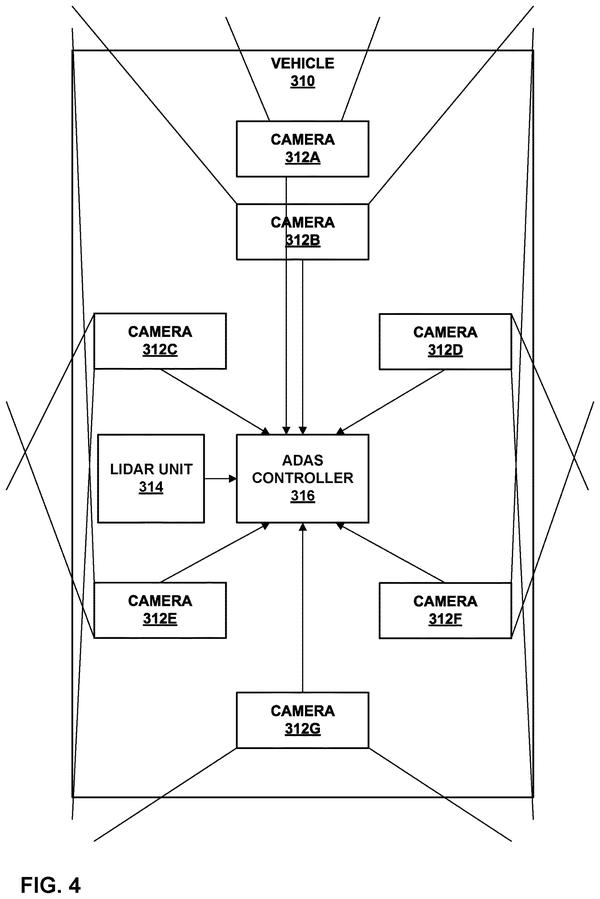
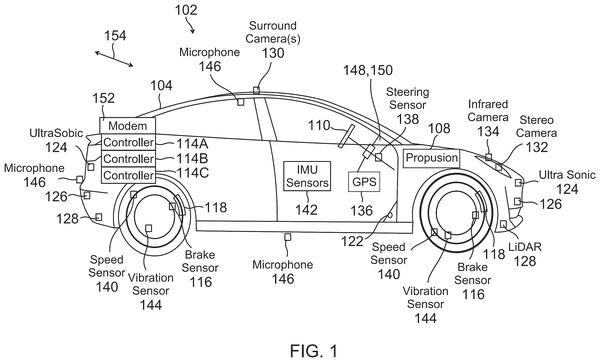
The drawings · 11 sheets
11 drawing sheets from US 2026/0356387 A1 · click any drawing to enlarge


Show the other 3 sheets


More from Qualcomm
All 624 Qualcomm patents →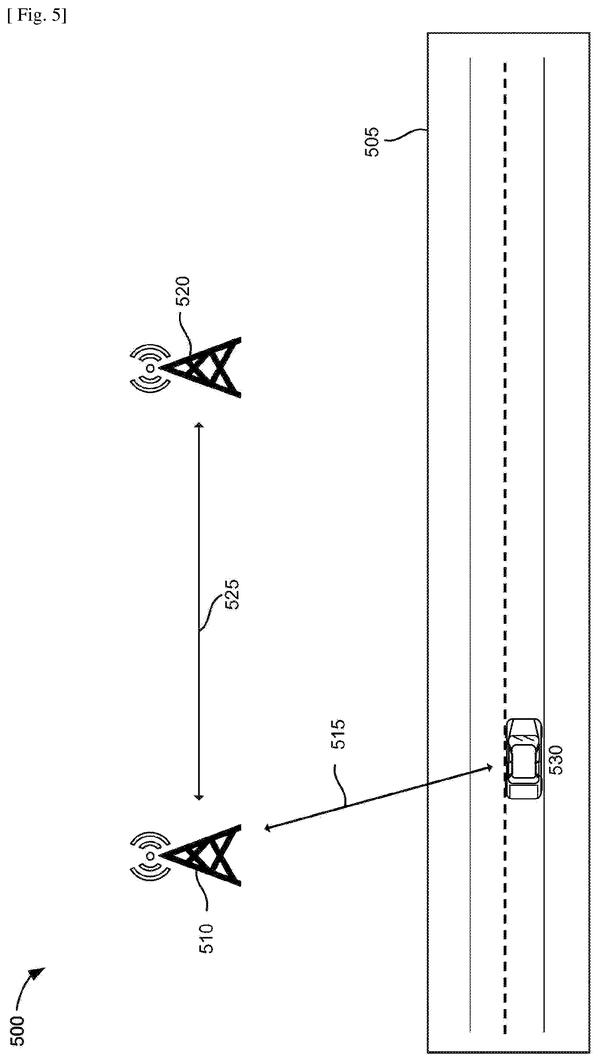
More in Automotive
All 360 Automotive patents →
Waymo (Google)
Waymo Files Patent for a Car That Notices When a Pedestrian Starts to Fall
Waymo (Google)
Waymo Files Patent for Cars That Dodge Blind Spots in Double Left Turns
Nvidia
Nvidia Files Patent to Help Self-Driving Cars Keep Track of the Same Pedestrian or Car
Amazon
No comments yet