
Google
Google · AR / VR · Filed May 6, 2025 · USPTO published Nov 12, 2026 · This week's release
Google Patents Smart Glasses That Size Up Objects From the Way You Hold Them
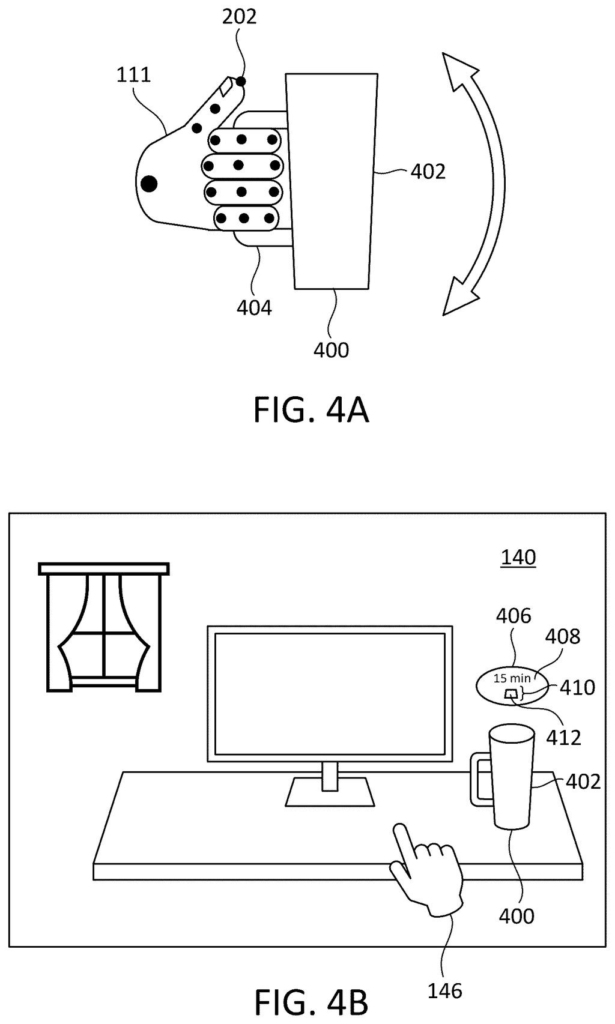
Google has filed a patent application for smart glasses that learn about the object in your hand, such as how heavy a cup is, by watching only your fingers.
- Publication number
- US 2026/0358881 A1(US20260358881A1)
- Applicant
- GOOGLE LLC
- Filed · Published
- May 6, 2025 · Nov 12, 2026
- Inventors
- Mahdi Tayarani Najaran, Ruofei Du
- Status when we published
- Waiting for an examiner
- Document
- 20 claims
- US classification
- 715/767
What Google's hand-reading glasses actually do
A woman picks up a mug by its handle, takes a sip, and sets it back on her desk. Your own hand does something like that dozens of times a day, and the way your fingers curl and tense says a lot about what you are holding.
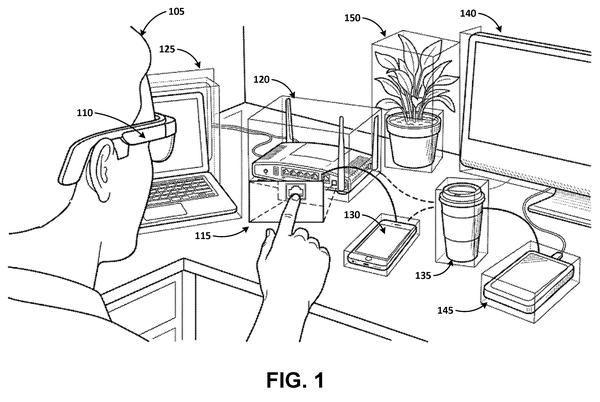
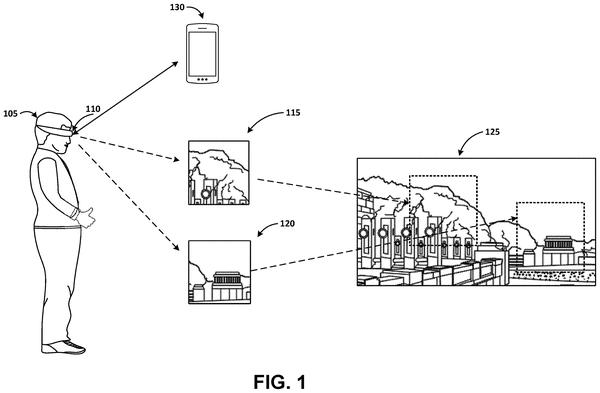
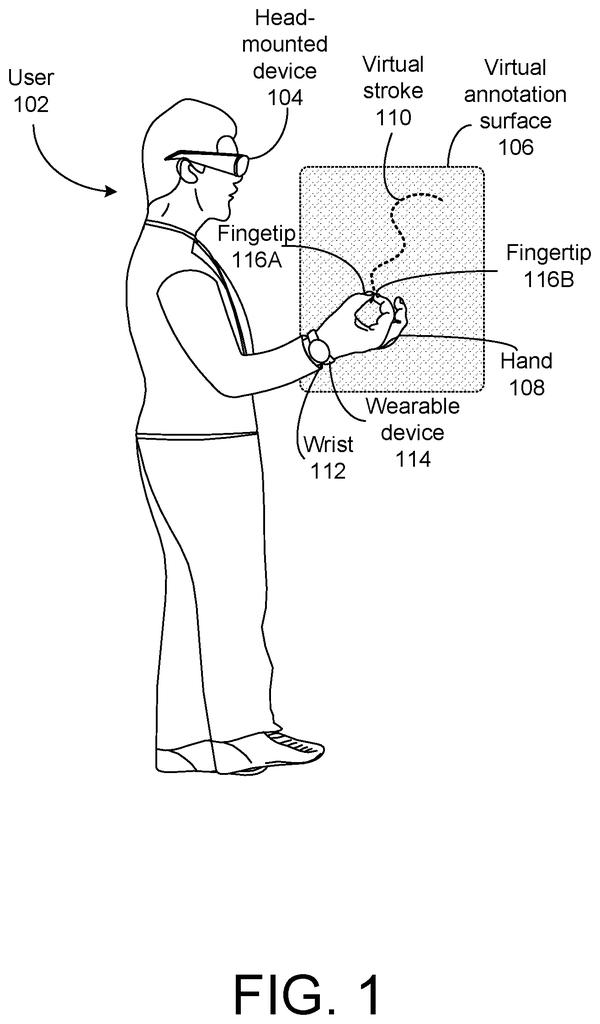
A Google patent application describes smart glasses that read those finger positions. The glasses already track your hand as 21 points: fingertips, knuckles, palm and wrist. The filing says those points alone can show you are holding something, and even hint at a trait like its weight, without studying pictures of the object.
Once the glasses know, they can pin a small floating display to the object. In the main example, a hydration tracker hovers above your cup and shows how long it has been since your last sip. Other examples measure an angle between your thumb and finger, or judge how fresh a piece of fruit is by how it bounces when tossed.
… identifying, based on the indicator, that the user is interacting with a real-world object; determining, based on the indicator, a characteristic of the real-world object; …
Translation: The glasses figure out what you are touching and its size just from the angle of your hand.
How a hand skeleton reveals what you're holding
The glasses' sensors feed a hand data component, which builds what the filing calls a hand skeleton: 21 landmarks (fingertips, joints, palm, wrist) joined by lines that show how each point sits relative to the others. It updates in real time as you move.
The claims then walk through five steps:
- Receive the hand pose, which the filing calls an indicator of orientation.
- Identify that you are interacting with a real object.
- Determine a characteristic of that object, such as weight, length or springiness.
- Generate a virtual object tied to that finding, such as a readout or a small control panel.
- Associate it with the real object, for example by anchoring it so it follows the object as you move it.
A machine learning model (software trained on many examples of grips, tosses and squeezes) reads a rolling window of recent hand motion, so it can tell a held cup from a tossed ball. For weight, the filing describes an optional calibration where you pick up items of known weight, so the system learns your hand size and strength.
A camera frame can optionally be added to identify what the object is, such as a water cup rather than a coffee cup. That sharpens the guesses and lets an app act on the result.
Why this could save battery on Google's glasses
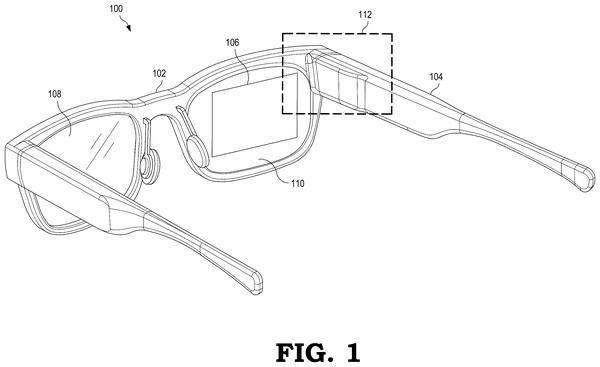
The practical payoff is battery life. Glasses are small, and the filing says that analyzing camera images to identify objects eats processing power and drains the battery, which can slow the device down. Reading hand data the glasses already collect is cheaper, so the company says this approach could extend battery life and keep things responsive.
For you, that could mean glasses that act as a tape measure, a hydration coach or a produce checker just from how you handle things. Your own hand becomes the sensor. The filing does not report accuracy numbers, so how well a grip can reveal weight or freshness is still an open question.
Google's 59th filing we've tracked since May on our smart glasses display watchlist follows one on a lens keeping images in view and one on eye-movement menus.
Source: US 2026/0358881 A1 at the USPTO (PDF). Full patent text and figures are in the official publication.
Get our take in your Top Stories
Liked this breakdown? Add Patentlyze as a preferred source on Google, and our plain-English take shows up more often in your Top Stories the next time Google patent news breaks.
Add Patentlyze on Google
One click.
There are more where this came from
We read every patent application Big Tech publishes and send you the ones worth knowing. Plain English, free, every week.
The drawings · 7 sheets
7 drawing sheets from US 2026/0358881 A1 · click any drawing to enlarge



No comments yet