
Sony Patents a Friend-Matching System Built Around When You Actually Play
Finding online friends who are actually online when you are is surprisingly hard. Sony's new patent tries to fix that by turning your gaming schedule into a matchmaking signal.
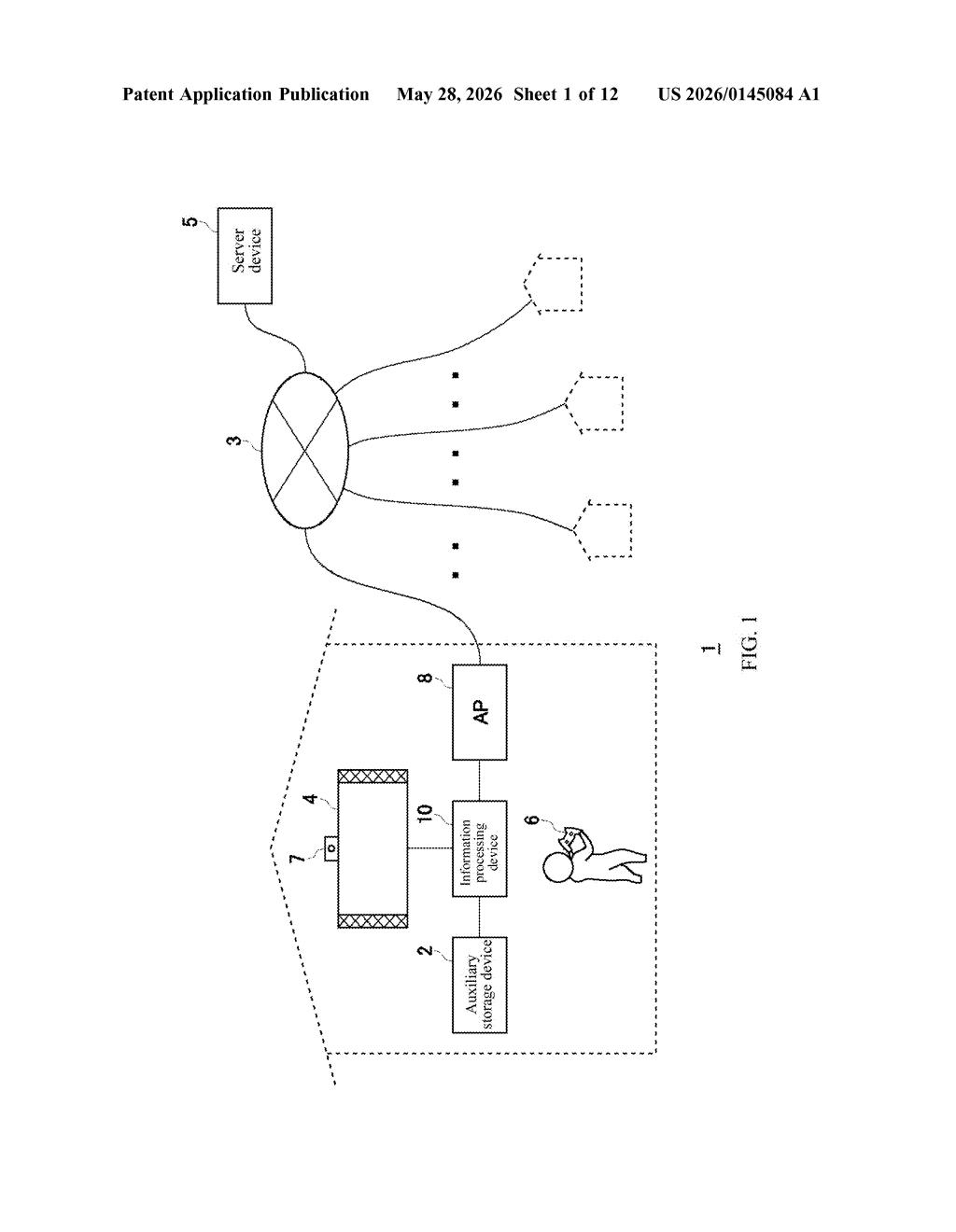
How Sony's play-schedule matchmaking actually works
Imagine you play PlayStation every weekday evening around 9 PM, but your friend list is full of people who only game on weekend afternoons. You're always missing each other. Sony's patent describes a system designed to solve exactly that problem.
The server watches when you start and stop games, then builds a picture of your typical play windows. It does the same for every other user, and when two people's schedules overlap consistently — say, you both tend to fire up the same game on Tuesday nights — the system flags you as a potential friend match.
You'd see this on a profile screen, where a player's play tendency information (their active hours, favorite games, total playtime) would be visible. The system can also factor in whether you're playing the same games, not just playing at the same time. Think of it like a dating app, but for finding a co-op partner who'll actually be online when you log in.
How the server identifies overlapping play windows
The patent describes a server-side matchmaking system that ingests two simple data points per user: game launch events and game exit events. From those timestamps, it reconstructs each user's play time periods — essentially a calendar of when they're gaming.
Once the server has those windows, it runs a comparison across users to find pairs (or groups) whose schedules satisfy what the patent calls a "first relationship" — a configurable overlap condition. That could mean playing at the same hours of the day, the same days of the week, or both. The claim language is deliberately broad, so the exact overlap logic is left flexible.
Optional signals can layer on top of raw schedule data:
- Shared titles — do both users play the same game?
- Total playtime within a defined window — are both players equally active?
- Profile display — an information processing device (read: your console or app) can render a player's play-tendency data on their public profile screen so you can evaluate compatibility before sending a friend request.
The system can proactively notify users of compatible matches and surface those players as friend candidates — essentially automating the "hey, want to play together?" discovery step.
What this means for PlayStation's social features
PlayStation's social layer has always felt like an afterthought compared to the friend-discovery tools inside games like Destiny or Fortnite. A system that surfaces schedule-compatible players at the platform level — across any game — would be a meaningful upgrade to how you build a friends list, especially for people who don't already have a ready-made crew.
For Sony, this is also a retention play. Players who have friends to game with on a regular basis stick around longer. If the system works, it nudges solo players toward forming habitual co-op pairs or squads, which keeps engagement metrics healthy across the whole PlayStation Network — not just inside any single title.
This is a sensible, well-scoped idea that addresses a real friction point: the people on your friends list and the times you're actually online rarely align. The patent doesn't overclaim — it's focused on a specific scheduling-overlap signal rather than trying to boil the ocean with personality matching. Whether it ships as a visible PlayStation feature or quietly powers backend recommendations, it's the kind of social infrastructure Sony should have built years ago.
There are more where this came from
We read every patent application Big Tech publishes and send you the ones worth knowing. Plain English, free, every week.
Want this weekly breakdown for a company we don't cover? Patentlyze Pro →