
Apple's New Patent Lets an Input Device Know When You've Picked It Up
Apple is working on an input device that can tell whether it's lying flat on a desk or propped up at an angle — and change its output signal accordingly. It's a small idea, but it hints at a more context-aware way to interact with a computer.
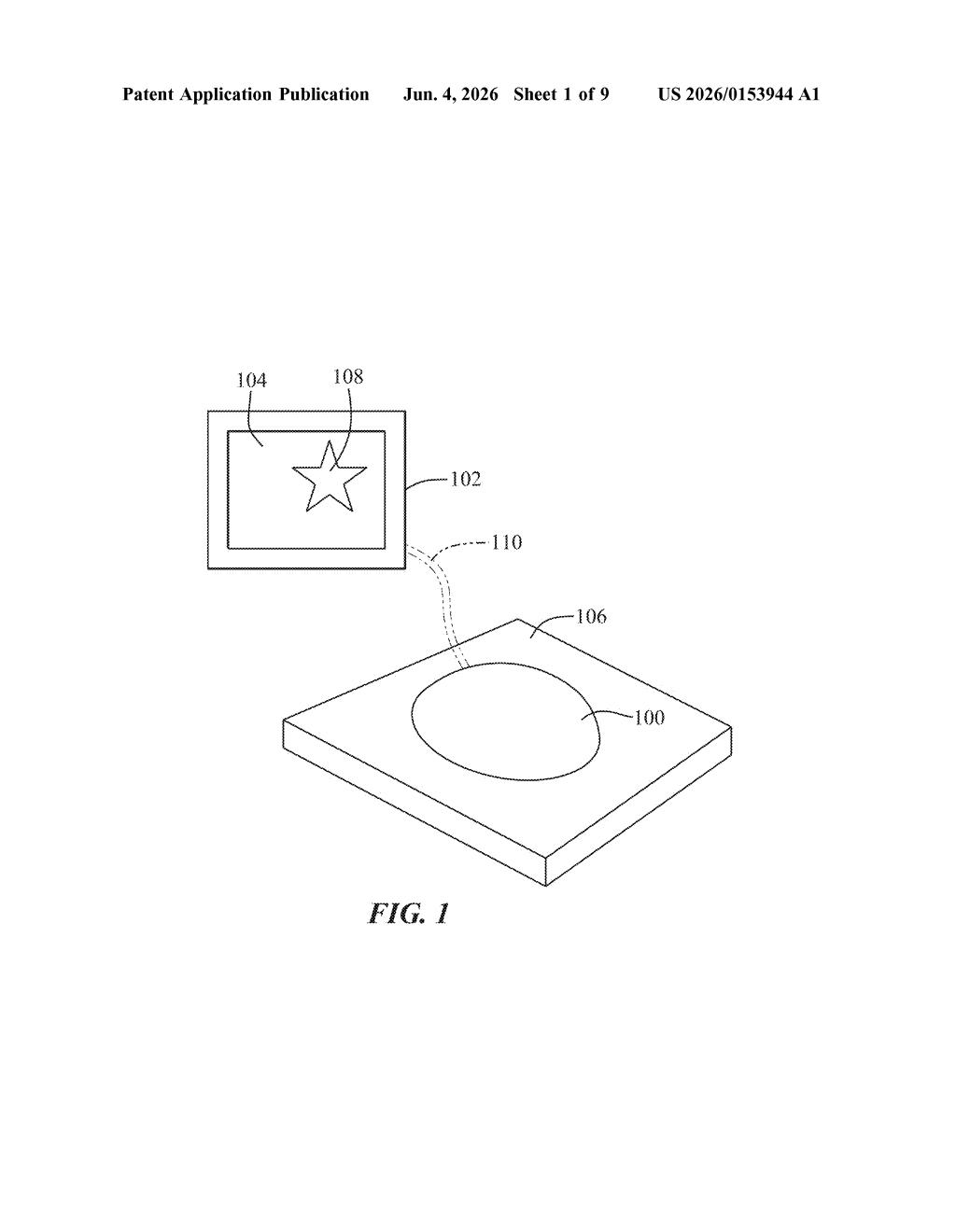
What Apple's tilt-sensing input device actually does
Imagine picking up a stylus or controller and tilting it slightly off the desk — what if your computer automatically knew you'd done that and responded differently than when the device was lying flat? That's the core idea here.
Apple's patent describes an input device with two sensors working together: one that measures tilt (like the level sensor in your iPhone) and one that detects whether part of the device is actually touching a surface. By combining both readings, the device can figure out its exact angle relative to the desk it's resting on.
The punchline is that the device only sends a meaningful signal based on that angle when it's actually in contact with the surface — so you can't accidentally trigger it by waving it in the air. It's a subtle bit of context-awareness baked into the hardware itself.
How the tilt and position sensors work together
The patent describes a handheld housing with two distinct physical zones: a grip portion (what you hold) and a base portion (what rests on a surface). The base has two surfaces — a flat rest surface and an angled tilt surface — which together create a geometry that makes the tilt angle physically unambiguous.
Inside, two sensors do the heavy lifting:
- Tilt sensor — measures the device's orientation in space, similar to an accelerometer or gyroscope-based inertial sensor.
- Position sensor — placed at an aperture (an opening) in the base, it detects proximity or contact with the support surface beneath it.
A processor combines both inputs to answer two questions simultaneously: is the angled tilt surface touching the desk? and at what angle is the flat rest surface relative to that desk? Only when surface contact is confirmed does the processor output a signal based on the measured angle. This gating behavior (using contact detection to validate tilt readings) prevents false inputs when the device is picked up or moved through the air.
The result is an input device whose behavior is fundamentally tied to its physical relationship with a surface, not just its motion in free space.
What this could mean for Apple's input device lineup
For everyday users, this kind of sensor fusion means an input device that behaves more intuitively — it responds to intentional, surface-grounded gestures rather than every accidental bump or mid-air wobble. That's a meaningful quality-of-life improvement for precision input tasks like drawing, design, or accessibility navigation.
From a product strategy angle, Apple has a history of building thoughtful physical input around the Mac ecosystem — think the Magic Mouse, Magic Trackpad, and Apple Pencil. A tilt-aware, surface-contact-gated device could fit into that family as a more expressive pointing tool, or it could be something entirely new. The patent doesn't say, and neither will we.
This is a well-scoped, quietly clever patent. The key insight — gating tilt output on confirmed surface contact — is simple enough to ship in real hardware and genuinely useful enough to matter. It's not a moonshot, but it's exactly the kind of detail that separates an input device that feels polished from one that just sort of works.
There are more where this came from
We read every patent application Big Tech publishes and send you the ones worth knowing. Plain English, free, every week.
Want this weekly breakdown for a company we don't cover? Patentlyze Pro →