Latest AI safety patents, Page 3
Watermarks, guardrails, moderation, and model protection: the filings where AI makers work out how to keep AI honest, and how to prove what's fake.
- in the Nov 19 release
- 3
- in November so far
- 3
- filings tracked
- 60
- last 90 days
- 19
Recent filings
Newest first · 60 total-
Microsoft · Published Aug 20
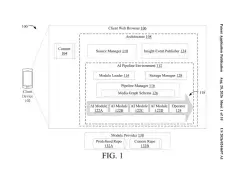
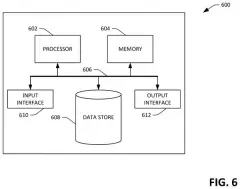
Microsoft Patents a Way to Run AI Models Inside Your Browser Without the Cloud
Microsoft has filed a patent for running AI entirely inside your web browser, on your own device, without sending your data to a remote server. That single shift has real consequences for both privacy and how quickly AI can respond.
-
Google · Published Aug 13
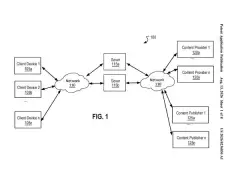
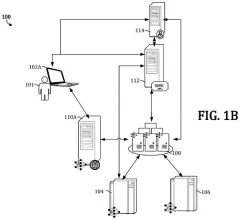
Google Patent Reveals AI That Learns User Preferences Without Accessing Personal Data
Google has filed a patent for a way to personalize its AI recommendations without the server ever receiving your personal data. Your phone does its own piece of the training, and only a privacy-protected summary gets sent back.
-
IBM · Published Aug 6
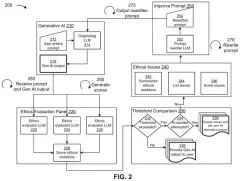
IBM Patent Proposes Rival AI Panels to Evaluate Each Other for Ethics
IBM is patenting a system where an AI's output doesn't just get checked by one safety filter, but by a whole panel of different AI models, each trained differently, voting on whether the response passes an ethics test.
-
Nvidia · Published Jul 30
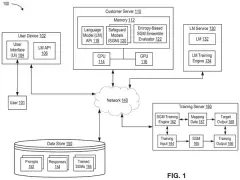
Nvidia Patents a Self-Weighing Panel of AI Safety Judges
When an AI content filter isn't sure whether something is safe, should you trust its answer? Nvidia's new patent proposes a system that asks several AI safety models the same question and then automatically gives more weight to whichever ones sound most certain.
-
Sony · Published Jul 23
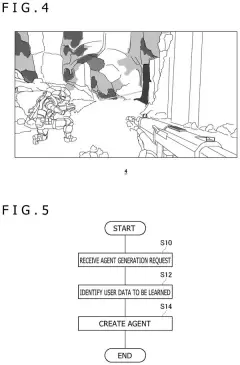
Sony Patent Lets Users Define Custom Rules for AI Game-Playing Agents
Sony wants to let an AI play video games for you, but with guardrails you control. A new patent describes a system where you can specify exactly which actions the AI is and isn't allowed to take.
-
Microsoft · Published Jul 23
Microsoft Patent Would Lock Down AI Models Like Streaming Songs
Microsoft is applying the same copy-protection logic that keeps you from pirating a movie to AI models themselves, treating them as licensed software that can be encrypted, validated, and controlled before they ever run on your machine.
-
Microsoft · Published Jul 23
Patent Locks AI Models to Verified Devices, Blocking Unauthorized Copying
Music and movies have had DRM for decades. Microsoft now wants to bring the same lock-and-key idea to AI models themselves, making sure only approved devices can ever run them.
-
Microsoft · Published Jul 16
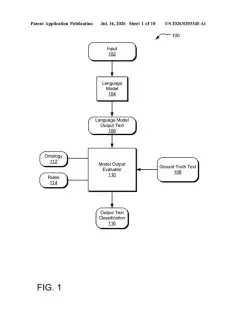
Microsoft Patent Uses Ontology Distance Scoring to Grade AI-Generated Answers
When an AI gives a wrong answer, not all wrong answers are equal. Microsoft has filed a patent for a system that measures exactly how wrong an AI's response is, using a structured map of concepts rather than a simple word-matching check.
-
Sony · Published Jul 16
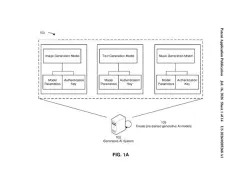
Sony Patent Ties Generative AI Output Quality to Valid Authentication Keys
Sony is patenting a generative AI system that produces lower-quality results when you don't have a valid license, and better results when you do. Think of it as a built-in quality throttle baked directly into the AI model itself.
-
IBM · Published Jul 9
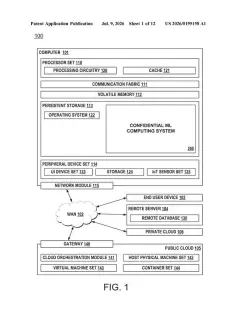
IBM Patent Locks AI Models Inside an Encrypted Vault From All Parties
What happens when two companies want to use each other's AI without trusting each other? IBM has a patent for exactly that scenario: a locked, encrypted container that lets a model run without either side seeing the other's secrets.
-
Sony · Published Jul 9
Sony Patent Splits Personal Data Across Machines for Private AI Processing
Sony is patenting a way to run AI analysis on personal data without any single computer ever getting to see the whole thing. It's a privacy-first approach to machine learning that could matter a lot as AI systems process more sensitive information.
-
Google · Published Jul 9
Google Patents a Content Moderation System That Looks Up Live Context Before Acting
Most automated content moderation systems make decisions using only what they were trained on months ago. Google's new patent describes a system that pauses, looks things up in real time, and only then decides what to do with a piece of content.