Latest AI vision patents, Page 22
Teaching machines to see: object recognition, gesture and gaze tracking, and the perception stack behind cameras, cars, and headsets. Every vision filing, decoded.
- in the Nov 19 release
- 13
- in November so far
- 27
- filings tracked
- 352
- last 90 days
- 170
Recent filings
Newest first · 352 total-
IBM · Published Jul 2
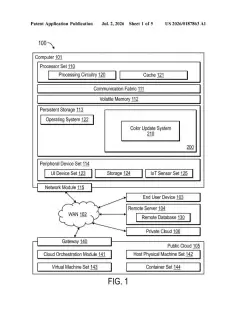
IBM Patents an AI Color Advisor That Reads Your Words and Photos to Pick the Right Shade
Picking a paint color is notoriously hard to do from a description alone. IBM's new patent describes a system that takes your words, your reference photos, and your broader context, and returns actual color recommendations you can apply to a real object.
-
IBM · Published Jul 2
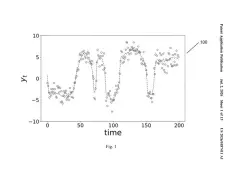
IBM Patents an AI That Tells Real Sensor Errors Apart From Actual System Changes
Every sensor lies a little. IBM has filed a patent for an AI system that figures out how much of what a sensor is reporting is real, and how much is just the sensor being a sensor.
-
Sony · Published Jul 2
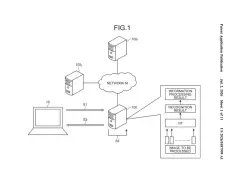
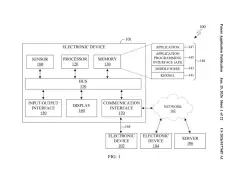
Sony Patent Lets Users Tune AI Image Recognition Settings in Real Time
Most AI image recognition systems run one way and one way only. Sony is filing a patent for a system that lets a user dial in how hard the AI works, trading speed for accuracy depending on the situation.
-
Nvidia · Published Jul 2
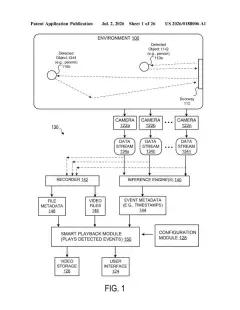
Nvidia Patents a System That Finds Your Tagged Objects in Video While It's Still Recording
Instead of hunting through hours of footage after the fact, Nvidia is patenting a way for cameras to flag the exact frames containing objects you care about while recording is still happening.
-
Intel · Published Jul 2
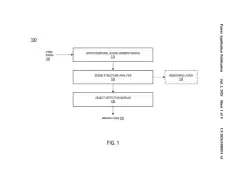
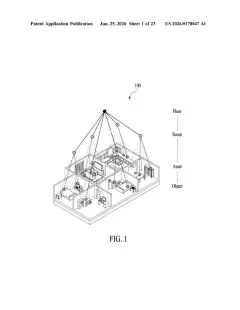
Intel's New Patent Teaches Cameras to Read a Scene, Not Just Spot Shapes
Most computer vision systems recognize objects by matching visual patterns, the same way a child learns to spot a dog from pictures. Intel's new patent tries something closer to how adults actually see: understanding the whole scene and what belongs where.
-
Microsoft · Published Jun 25
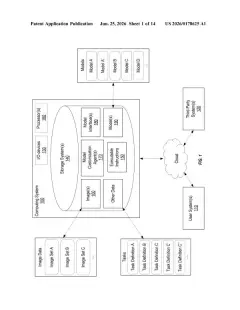
Microsoft Patent: Describe What You Want, Train an AI to Recognize Images
Building a custom AI that can analyze images normally requires a team of engineers. Microsoft is patenting a system that lets an ordinary user do it through a conversation, the same way you'd describe a task to a colleague.
-
Microsoft · Published Jun 25
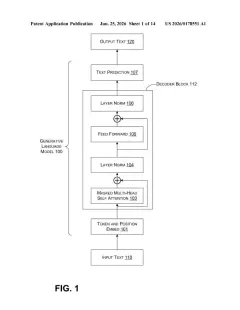
Microsoft Patent Targets Corrupted Data Detection Without Requiring Human Review
Bad data causes bad decisions, and finding it is tedious, manual work. Microsoft is patenting a system that hands that job to a generative AI.
-
Meta · Published Jun 25
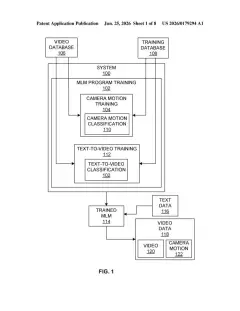
AI Patent Splits Video Content From Camera Motion Control
When you type a description into an AI video tool, the system has to figure out two very different things at once: what should appear on screen, and how the camera should move through the scene. Meta's new patent tries to handle those as separate problems.
-
Nvidia · Published Jun 25
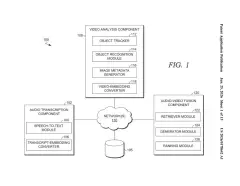
Nvidia Patents an AI That Watches and Listens to a Video Before Answering Your Questions
Most AI tools that let you ask questions about a video only look at the frames. Nvidia's new patent describes a system that also listens to the audio, then combines both to give you a more complete answer.
-
Samsung · Published Jun 25
Samsung Patents a Radar System That Watches Your Body Movements Without a Camera
Samsung is working on a system that can figure out what you're doing, whether you're waving, falling, or exercising, using radar signals instead of a camera, so nothing about you is ever actually photographed.
-
Samsung · Published Jun 25
Samsung Patents a Robot Control System That Remembers What It Has Already Moved
Most robots treat every moment like the first time they've seen the room. Samsung's new patent describes a system that lets a robot remember how objects have changed because of its own actions, so it can make smarter decisions on the next task.
-
Samsung · Published Jun 25
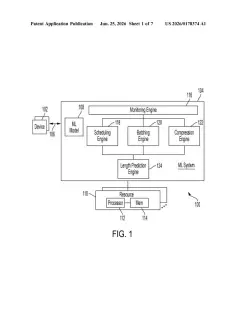
Samsung Patents AI That Serves Paying Customers' Prompts Before Free Users
Not all AI requests are created equal. Samsung's new patent describes a system that recognizes this and acts on it, routing some prompts to the front of the line while others wait their turn.