
Apple's New Patent Turns a Headset Into a Personal Shopping Guide
Apple is patenting a way to use AR overlays to guide shoppers directly to products they're interested in — turning a head-mounted display into a personal store navigator that responds to your browsing intent.
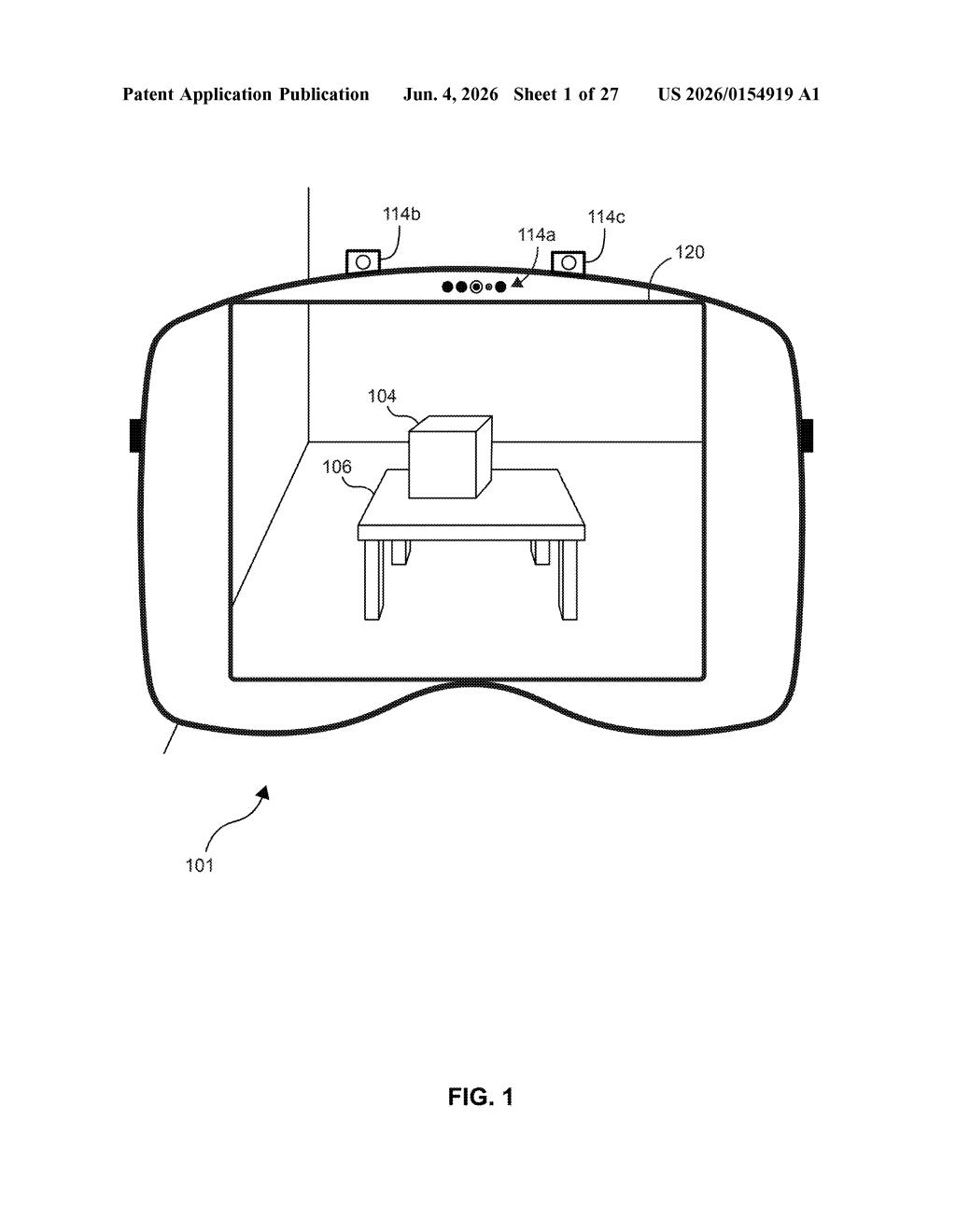
What Apple's in-store AR shopping guide actually does
Imagine walking into a large store, browsing a retailer's app on your iPhone or Apple Vision Pro, and saving a few items you want to check out in person. Now imagine that same device, once you're inside the store, quietly overlaying a floating marker or arrow in your field of view pointing you right to the shelf where each product sits. That's the core idea here.
Apple's patent describes a system that tracks where you are in a physical space and cross-references that with products you've already shown interest in — things you've viewed, saved, or flagged as purchase candidates. When you get close enough to the section of a store that carries one of those items, the device surfaces a virtual indicator showing you exactly where it is.
The patent specifically calls out a head-mounted display (think Vision Pro) as the target device, though it's written broadly enough to cover other gadgets. The key trigger isn't just proximity — it's demonstrated intent to buy, meaning the AR prompt only fires when you've already signaled you care about the product.
How the device detects interest and triggers virtual overlays
The system works in two connected layers: location awareness and intent detection.
Location awareness means the device continuously tracks where you are inside a physical environment — a store, a showroom, a warehouse. When your position enters a defined region that contains a product you've shown interest in, the system becomes active for that product.
Intent detection is what makes this different from a generic store map. The patent requires that the user has already generated "one or more indications of user intent to purchase" the product — browsing history, a wishlist save, a scan, or similar signals. The AR overlay only triggers if both conditions are true: you're in the right zone and you've already shown you want the item.
Once those criteria are met, the device renders virtual elements (floating markers, arrows, labels — the patent is intentionally vague about the exact form) in the display that pinpoint the product's location within the nearby area. The system also mentions the option to store information associated with the product, which hints at logging interactions for later (price, reviews, inventory status).
The method is described as running on an electronic device connected to one or more displays and input sensors, with a head-mounted display called out explicitly as the primary form factor.
What this means for Apple Vision Pro in retail spaces
For Apple Vision Pro, this is one of the clearest retail-use-case patents the company has filed. The headset has struggled to find everyday justifications outside the home and office — a hands-free, intent-aware shopping assistant is a concrete answer to the "but what do I actually use it for?" question.
For retailers, the implications are significant too. A system like this could replace printed maps, store employees directing customers, and generic self-checkout kiosks — all while feeding purchase-intent data back into the shopping experience. If Apple builds this into a retail SDK or integrates it with Apple Pay and Wallet, it positions the company as infrastructure for physical commerce in a way that goes well beyond hardware.
This is one of the more grounded Vision Pro use-case patents Apple has filed — it solves a real, friction-heavy problem (finding stuff in big stores) and uses the headset's spatial awareness in a way that actually requires AR to work. The intent-detection trigger is the clever bit: it's not just a store map, it's a map that only activates when it knows you care. Whether Apple ships this as a first-party retail experience or licenses the capability to partners, it's worth tracking closely.
There are more where this came from
We read every patent application Big Tech publishes and send you the ones worth knowing. Plain English, free, every week.
Want this weekly breakdown for a company we don't cover? Patentlyze Pro →