
Apple Files Patent for Phones to Announce They Can Use Wi-Fi and Cellular Together
Your phone can already juggle Wi-Fi and cellular, but only if the network knows which tricks it can do. Apple's filing is a new way for the phone to say so without confusing older networks.
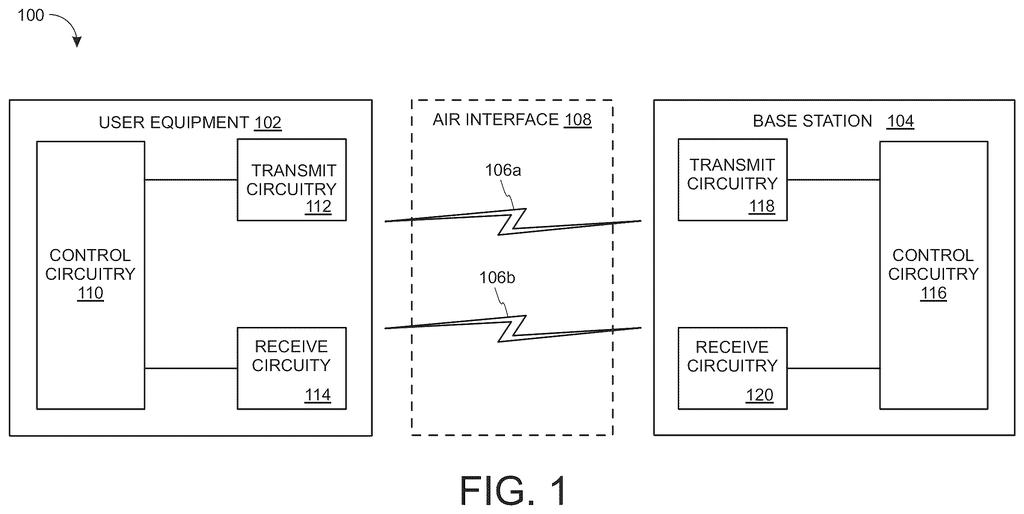
What Apple's Wi-Fi-plus-cellular checklist does
Ever walked out your front door mid-video call and watched it freeze as your phone hands off from home Wi-Fi to cellular? Phones can use both connections at once, or switch between them, but only if the phone and the carrier agree on exactly how.
Apple's filing is about that agreement. Before any juggling starts, your phone sends the network a short checklist of the tricks it knows. The new part covers a newer method of sharing traffic across connections, and it extends that method to two kinds of data: ordinary internet traffic and Ethernet, the format used on wired networks.
If the network is older and doesn't understand the new options, the phone falls back to a simple mode. It uses one connection and keeps the other on standby.
sending a set of parameter values associated with multi-access traffic steering, switching and splitting (ATSSS) functionality, the set of parameter values representing support for multi-path quick user datagram protocol internet connections (MPQUIC) for internet protocol traffic, for Ethernet traffic, or for both the internet protocol traffic and Ethernet traffic …
Translation: The device tells the network it can handle splitting data across multiple connections simultaneously.
How the phone flags what it can combine
The claims cover a method where a device sends a set of parameter values (a small list of yes/no flags and codes) describing what it supports for ATSSS. That is the 5G term for steering, switching and splitting data between cellular and Wi-Fi. The values say the device supports MPQUIC (multi-path QUIC, a way to send one stream of data over several network paths at once) for internet traffic, Ethernet traffic, or both. The device then communicates by steering, switching or splitting traffic between a cellular network and a non-cellular one.
The description explains the practical headache. The existing capability field has unused "reserved" values, and if a phone fills those in, older networks may assume an error and throw away the whole message. So the filing describes several layouts that avoid this:
- An extension flag that points to a separate block of capability bits, or a brand-new capability element with its own bits for each feature.
- Formerly spare bits in a later part of the message, including one bit for the active-standby fallback.
- Standalone flags saying which kinds of tunnel over HTTP (the web's basic messaging format) the phone supports for IP and Ethernet packets.
Active-standby is the common ground: one connection carries the data while the other waits as a backup. On the network side, the filing also describes handing MPQUIC traffic and all other traffic separate rules within the same session.
… performing a communication using at least one of steering, switching, or splitting functionality between a cellular network and a non-cellular network using IP packets, Ethernet frames, or both the IP packets and the Ethernet frames.
Translation: The phone sends and receives data by routing it through both cellular and Wi-Fi networks at the same time.
Why old networks shaped Apple's filing
You would never see a button for this. If carriers adopt it, your data connections could be more reliable, respond faster and add up the speed of both Wi-Fi and cellular. The filing lists those three benefits as the point of using multiple connections at once. It also stretches the idea to Ethernet traffic, which matters for things like industrial gear and other non-phone devices the filing says could take part.
The heavy focus on backward compatibility says a lot. The filing is mostly about making sure a new phone can announce new abilities without breaking older networks, and it follows the language of the standards that carriers and phone makers share. Any real-world benefit depends on the network side doing its part too.
Apple's 563rd filing in our Apple coverage since May adds to a run of video-quality work that includes removing blocky patches and steadying flickering headset footage.
Claim 1 covers any device that announces support for a newer internet routing method across both cellular and Wi-Fi networks, then actually uses that combined connection. The claim sets no rules about how that announcement is formatted or transmitted, meaning it stretches across a wide range of possible designs by any manufacturer or carrier.
That breadth is the point. If granted, this claim could block a rival from building any phone or chip that performs the same handshake in any format, even one that looks nothing like Apple's specific layout described in the later claims.
The catch is that the value of the patent lives or dies with carrier adoption. A phone that signals support for something no network responds to is just a phone sending unread messages.
Get our take in your Top Stories
Liked this breakdown? Add Patentlyze as a preferred source on Google, and our plain-English take shows up more often in your Top Stories the next time Apple patent news breaks.
There are more where this came from
We read every patent application Big Tech publishes and send you the ones worth knowing. Plain English, free, every week.
The drawings
6 drawing sheets from US 2026/0332517 A1 · click any drawing to enlarge


Want this weekly breakdown for a company we don't cover? Patentlyze Pro →
Be the first to weigh in