
Sony Patents a Two-Stage AI Upscaling Pipeline for Game Frames
Sony is exploring an AI upscaling system that doesn't just use one machine learning model — it uses two, switching between them mid-sequence to progressively sharpen game frames as more visual context accumulates.
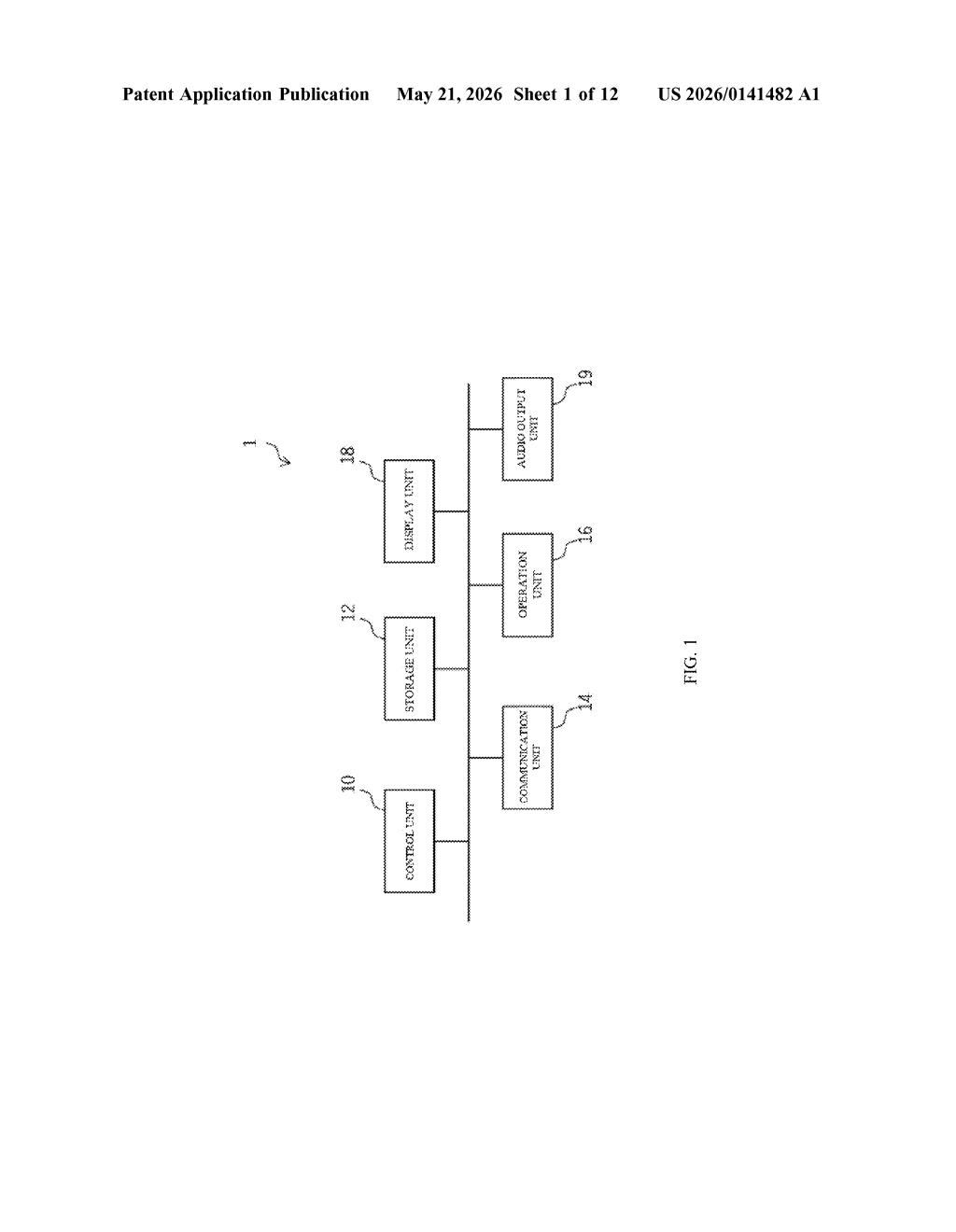
What Sony's dual-model frame upscaling actually does
Imagine your PlayStation is rendering a game at a lower resolution to save processing power, then using AI to fill in the missing detail and make it look crisp on your screen. That's super-resolution upscaling — and it's already in products like Sony's PSSR and Nvidia's DLSS.
What this patent adds is a two-model handoff. Early in a sequence of frames (when the AI hasn't seen much yet), one model handles the upscaling. Once enough frames have been processed and the system has more context to work with, a second model takes over for the remaining frames. Think of it like a relay race where the second runner is better suited to the final stretch.
The idea is that different ML models may perform better at different points in a sequence — the first can work with limited prior information, while the second can exploit the richer context built up over time. The result could be higher-quality upscaled images across a full gameplay sequence.
How the two ML models hand off frame processing
The patent describes an image processing system that takes a sequence of N rendered game frames (at a base resolution) and upscales them to a higher pixel count using two distinct machine learning models applied at different stages.
- A first ML model processes frames 1 through i — the early portion of the sequence — and outputs upscaled "estimated frames."
- A second ML model then takes over for frames i+1 through j — the later portion — also producing upscaled estimated frames.
- The cutover point i is configurable, allowing flexibility in when the handoff happens.
The core insight is that temporal context (information from previous frames) builds up as a sequence progresses. Early frames have little history to draw on; later frames have more. Using a model trained or optimized for data-rich conditions only after enough frames have been seen could improve upscaling fidelity without overburdening the early-frame model.
The system is framed broadly enough to apply to real-time rendering pipelines, suggesting it's aimed at game engines or GPU-level image processing rather than post-production video work.
What this means for PlayStation graphics and AI upscaling
Sony's PSSR (PlayStation Spectral Super Resolution) is already shipping on the PS5 Pro, and competition from Nvidia's DLSS and AMD's FSR is fierce. A staged, context-aware upscaling approach could give Sony a technical differentiator — squeezing better image quality out of the same rendering budget by being smarter about when each model applies.
For you as a player, this could translate to fewer ghosting artifacts and sharper detail during fast-moving sequences — the scenarios where current upscalers struggle most. It also hints that Sony is thinking carefully about the temporal dimension of AI rendering, not just single-frame quality.
This is a focused, credible engineering patent from the team behind PSSR — not a moonshot concept. The idea of using different ML models at different points in a temporal sequence is a legitimate optimization strategy, and it aligns with how serious upscaling research is evolving. It's not flashy, but it's the kind of incremental IP that tends to quietly show up in the next hardware generation.
Get our take in your Top Stories
Liked this breakdown? Add Patentlyze as a preferred source on Google, and our plain-English take shows up more often in your Top Stories the next time Sony patent news breaks.
There are more where this came from
We read every patent application Big Tech publishes and send you the ones worth knowing. Plain English, free, every week.
Want this weekly breakdown for a company we don't cover? Patentlyze Pro →