
Google Patents a Fix for Cameras That Lose Focus in Bright Light
Taking a photo of someone standing in front of a bright window almost always ends badly: the camera either exposes for the background or hunts for focus and gives up. Google's new patent targets that exact failure with a precise fix built into how cameras set themselves up before you shoot.
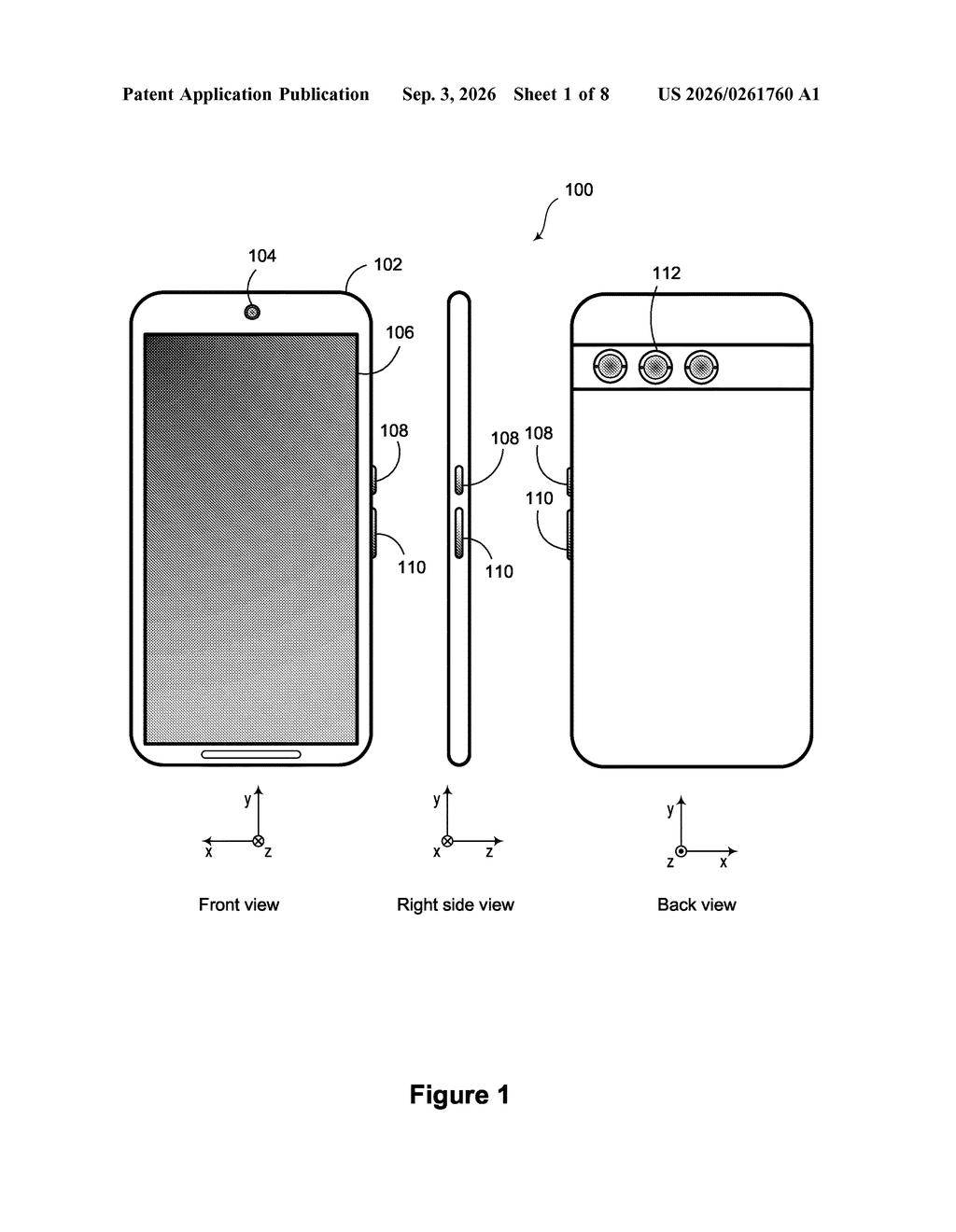
What Google's backlit autofocus trick actually does
You're trying to snap a photo of your friend standing in front of a sunny window, and your phone's camera just can't decide where to focus. The background is bright, your subject is in shadow, and the camera keeps hunting. That moment of frustration is exactly what this patent is designed to fix.
Here's the idea: before your camera settles on its final settings, it's already running a quick calibration pass, adjusting exposure to get the brightness right. Google's approach teaches the camera to check, during that calibration, whether it's confident it has found the right focus point. If it isn't, it briefly captures one extra frame at a higher exposure than it would normally use, which pulls more detail out of your shadowy subject and lets the focus system do its job properly.
The camera then uses that brighter frame just for focus, snaps back to normal exposure settings, and continues. You don't do anything differently. The whole thing happens in the fraction of a second before you even hear the shutter.
… interrupting the process of refining the auto-exposure settings for the image sensor to capture an image with greater exposure than the at least one image …
Translation: It pauses the lighting adjustment early to grab a brighter photo when focus is uncertain.
How the camera interrupts exposure to steal a focus frame
The patent describes a system for managing what happens during a camera's auto-exposure convergence process, which is the period when the camera is still figuring out the right brightness settings before a shot is fully framed and captured.
During that window, the system continuously evaluates an autofocus confidence level, essentially a score for how sure the camera is that it has identified the correct focal distance. If the score drops below an acceptable threshold (meaning the camera isn't sure what to focus on, typically because the subject is too dark relative to the background), the system interrupts the normal exposure calibration sequence.
At that interruption point, the camera captures a single frame at a higher exposure than it would ordinarily use at that stage. Think of it as a quick, intentional overexposure used not for the final photo but purely as a diagnostic tool. That brighter frame gives the autofocus algorithm more contrast and detail to work with, especially on subjects that are underlit because of a bright background.
- Autofocus confidence is assessed in real time during exposure calibration
- A low-confidence score triggers a temporary pause in the calibration sequence
- One overexposed frame is captured and fed to the autofocus algorithm
- The camera then resumes normal exposure calibration using the focus settings derived from that frame
… determining an autofocus confidence level based on at least one image captured by the image sensor while executing the process of refining the auto-exposure settings …
Translation: The camera continuously checks how well it can focus while it adjusts the scene brightness.
What this means for everyday backlit photography
Backlit scenes are one of the most common situations people actually photograph: someone in a doorway, a group shot near a window, a subject against a bright sky. Current phone cameras handle these scenes with varying degrees of failure, and focus hunting in particular can mean a blurry shot even when exposure eventually looks fine.
This approach is notable because it doesn't require a separate hardware sensor or a second camera. It's a scheduling fix, a smarter order of operations inside software that already runs before every shot. That means Google's run of computational photography filings could translate this to existing hardware through a software update, and the benefit would show up in the photos people take every day, not in controlled test conditions.
Google's 17th filing in our camera patent work we've tracked since May adds to a thread that includes skin tone color fix and a compact wide-angle lens.
Backlit photos fail constantly, at graduations, weddings, afternoons in front of bright windows, and most people blame themselves rather than the camera. The actual culprit is a sequencing problem: the camera guesses at focus before it has collected enough light to guess accurately.
The fix described here is narrow and deliberate. The camera slips one brighter frame into its normal startup calibration, checks whether that extra light is enough to lock focus confidently, and adjusts before the user ever presses the shutter. No new hardware, no setting to find.
That modesty is appropriate, because the failure mode it targets is specific. Complex scenes with moving subjects or multiple light sources remain unsolved. But the missed birthday photo in front of a sunny window? That one has a tight, proportionate answer here.
Get our take in your Top Stories
Liked this breakdown? Add Patentlyze as a preferred source on Google, and our plain-English take shows up more often in your Top Stories the next time Google patent news breaks.
There are more where this came from
We read every patent application Big Tech publishes and send you the ones worth knowing. Plain English, free, every week.
The drawings
8 drawing sheets from US 2026/0261760 A1 · click any drawing to enlarge


Want this weekly breakdown for a company we don't cover? Patentlyze Pro →
Be the first to weigh in