
Sony Patents Technology That Helps Cameras Recognize Glass and Transparent Surfaces
Depth sensors are everywhere now, from robot vacuum cameras to car parking systems, but they have a well-known blind spot: glass. Sony's new patent targets that exact problem.
How Sony's depth camera spots glass it can't see through
A delivery robot rolls toward a glass door and, seeing nothing solid in front of it, keeps going. That kind of crash is embarrassingly common with today's depth-sensing cameras, and it is the exact failure Sony wants to fix.
The typical depth camera (called a Time-of-Flight sensor, or ToF) measures distance by firing invisible light pulses and timing how long the reflection takes to bounce back. Glass complicates that: some light passes straight through, some scatters, and the camera gets back a strange, patchy mix of signals that it usually misreads as open space.
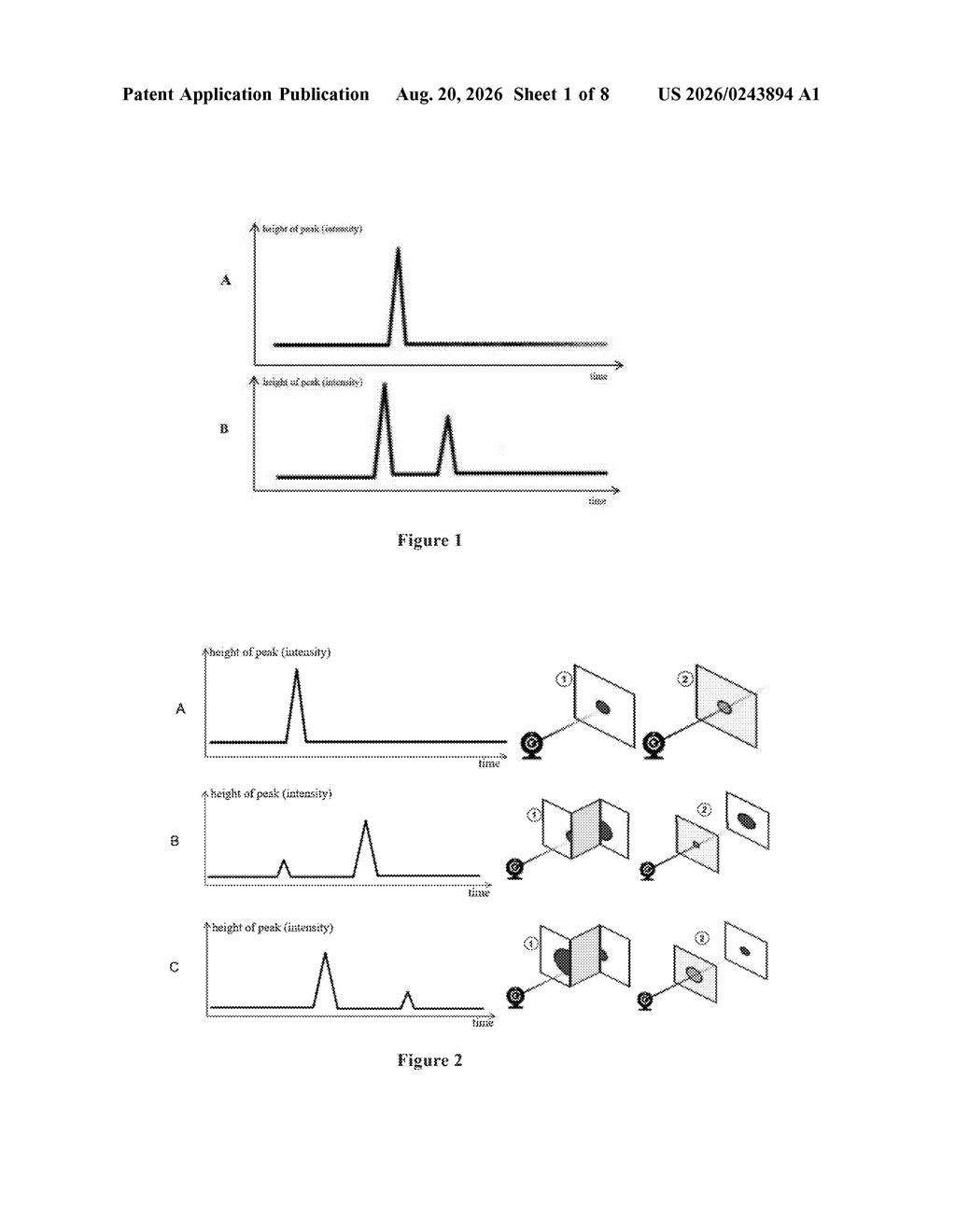
Sony's patent describes a way to look at the intensity pattern of those returning light pulses across a section of the image. When that pattern has a particular irregular spread, the system can flag the area as probably containing a transparent object, even when it cannot get a reliable distance reading. The camera learns to say "something weird is here" rather than "nothing is here."
… determine, based on the data of reflected radiation of each pixel in a first region of the image, a distribution of intensities of pixels in the first region, the intensity representing a peak of the data of reflected radiation of the pixel, and judge whether the image comprises a transparent object based on the distribution of intensities.
Translation: The system determines if glass is present by analyzing how light reflects off different parts of the image captured by a specialized sensor.
How the sensor reads light intensity patterns to flag transparency
The patent centers on a Time-of-Flight (ToF) sensor, a type of depth camera that measures how far away objects are by timing how quickly a pulse of light (usually infrared) returns to the sensor after bouncing off a surface.
The core detection method works in three steps:
- Capture reflected light data for every pixel in the image frame.
- Analyze the intensity distribution in a selected region: instead of just reading the peak brightness per pixel, the system looks at how those peak values are spread across the region. Glass causes an unusually uneven, bimodal spread (some pixels get strong reflections from the glass surface itself, others get weak or misleading returns from objects behind it).
- Judge whether a transparent object is present based on whether that distribution matches known transparency signatures.
The patent also covers an image correction method: once a transparent region is flagged, the system can adjust or annotate the depth data so that downstream software (navigation systems, object-detection models) does not act on the bad readings as if they were reliable.
The electronic device can sit inside a mobile apparatus, which the document describes broadly enough to include robots, vehicles, drones, or any platform that moves through a physical environment and needs accurate depth information.
What this means for robots and cameras navigating real spaces
For anyone who uses a robot vacuum, drives a car with automatic parking assist, or relies on a security camera with depth sensing, transparent surfaces are a genuine hazard. Glass walls, shower doors, fish tanks, and storefront windows all produce the same failure: the sensor reports open space, and the device either crashes into the surface or ignores something important behind it. A reliable detection flag, even without a precise distance reading, gives the device enough information to slow down, ask for help, or route around the problem.
Sony Semiconductor Solutions makes the image sensors inside a huge share of the world's smartphones and cameras, so a transparency-detection method built at the sensor level could eventually appear in many devices made by many brands. This patent sits in a wider category of interesting tech patents focused on making depth sensors work in the messy physical world rather than only in controlled lab conditions, a challenge that becomes more pressing as robots and autonomous vehicles move into everyday environments full of glass.
Sony's 14th filing we've tracked since July in our self-driving sensing race watch adds to earlier applications on combining color and distance and sharpening focus on close objects.
For users, this means their robot vacuum or parking camera finally stops driving straight into a glass wall it could not detect. Sony bakes the fix into the sensor itself, so any device using that sensor gets the benefit automatically, with no software update needed.
The trick is that glass reflects almost no light back to the sensor. Sony's system looks at the faint, uneven scatter that does come back and uses that pattern to recognize a clear surface as a solid obstacle in the way.
There are more where this came from
We read every patent application Big Tech publishes and send you the ones worth knowing. Plain English, free, every week.
The drawings
8 drawing sheets from US 2026/0243894 A1 · click any drawing to enlarge


Want this weekly breakdown for a company we don't cover? Patentlyze Pro →
Be the first to weigh in