
IBM
IBM · AI / ML · Filed May 9, 2025 · USPTO published Nov 12, 2026 · This week's release
IBM's New Patent Covers a Chatbot That Spins Up New AI Assistants Mid-Conversation
IBM's filing describes a chatbot that can take a conversation you just had and turn it into a standing AI helper. The helper keeps watching your equipment data and pings your team when something looks wrong.
- Publication number
- US 2026/0361667 A1(US20260361667A1)
- Applicant
- International Business Machines Corporation
- Filed · Published
- May 9, 2025 · Nov 12, 2026
- Inventors
- Eileen Allen, Jennifer M. Hatfield, Mats Gothe, RADCLIFFE Anthony SADDLER, Ramona Sartipi, Corey Brinkmann
- Status when we published
- Examiner raised objections; the company can respond
- Document
- 20 claims
- US classification
- 709/206
- Examiner
- BOOK, PHYLLIS A (Art Unit 2454)
What IBM's chat-to-agent patent actually does
Most AI chat assistants today answer one question at a time and then move on. If you want the same check tomorrow, you have to re-explain everything and ask again. IBM's patent filing tries to change that by letting a conversation become a standing helper.
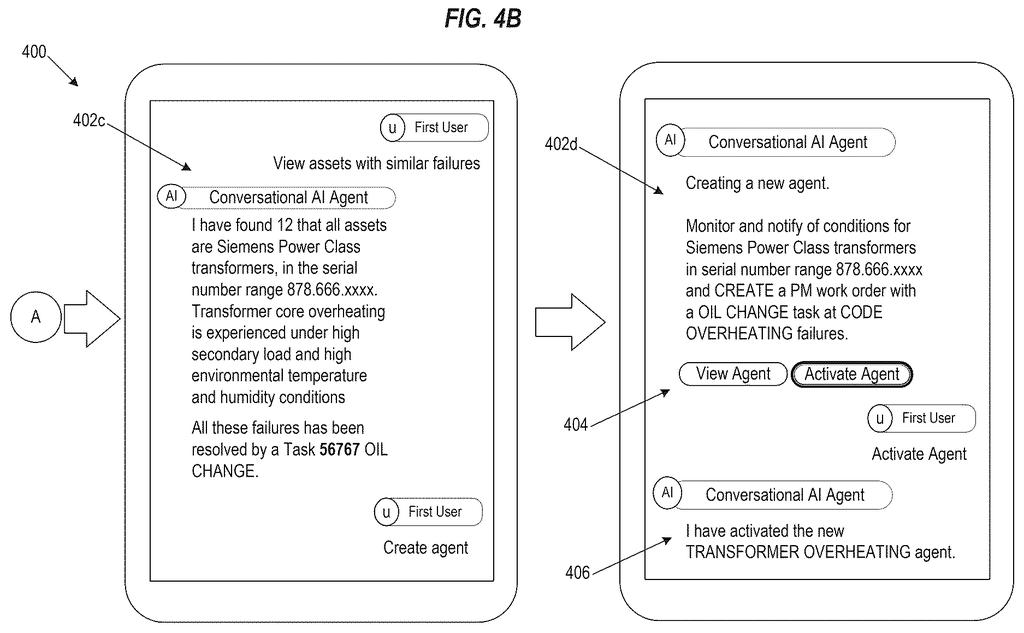
Say a reliability engineer asks a chatbot to show equipment at risk and learns that one transformer is overheating. Instead of asking again every morning, the engineer tells the chatbot to create an agent. The system reads the chat, fills in a form describing the new helper (its name, its goal, who is allowed to use it), and switches it on.
From then on, the helper watches the sensor data by itself and sends alerts to you and your supervisor. You can pause it, copy it, or delete it whenever you like.
… analyzing, by the computer, the chat data to generate an agent specification; generating, by the computer, a first AI agent based on the agent specification; and activating, by the computer, the generated first AI agent on a multi-agent system …
Translation: The system reads the conversation, builds a brand new helper bot from it, and instantly brings it to life.
How a chat becomes a filled-in agent template
The core claim has four steps. The system receives a transcript of a chat between a user and a conversational AI agent (a chatbot run by a large language model, the same family of AI behind popular chatbots), tied to one task in a longer chain of related tasks. It analyzes that transcript to produce an agent specification. Then it builds a new AI agent from that specification and activates it next to the chatbot in a multi-agent system (a group of AI programs that can work together).
The specification is a filled-in template, and the language model reads the chat to produce the values:
- The user's role and access group
- The agent's name, task scope and goal
- Its state, which other users can use it, and how much memory it needs
Once active, the agent can find the right data feed (the filing calls these API endpoints, which are connection points for pulling data), watch for changes, and raise an alert when a user-defined rule, a schedule or an odd reading triggers it. The alert can appear on your chat screen or a coworker's. A second agent can then offer recommendations or draft a work order.
The filing's worked example is condition-based maintenance (fixing equipment before it breaks), where ten linked tasks run from inspection to review. Users can also update the specification later, or pause, clone or delete the agent.
Creating and managing agents based on chat conversations is provided. This method includes receiving chat data associated with a first chat session between a first chat client and a conversational AI agent for a neural language model.
Translation: New automated assistants are born dynamically during an ongoing chat by listening to what the user needs.
What this means for factory maintenance crews
If this works as described, you would not need a special setup tool to build an automated watcher. You would talk to a chatbot about a problem and say, in effect, keep an eye on this. That lowers the bar for people who are not programmers, such as maintenance crews, to automate routine checks. It also gives supervisors one central place to see, pause or copy every agent that is running.
The filing also leans on trust. It describes showing the root cause, the confidence level and the data behind each alert, and it keeps a supervisor in charge of approving work orders. The application is early: the examiner's first review rejected the claims as filed, which is routine and usually followed by amendments.
IBM's 17th filing we've tracked since July in our AI agents acting for you watch, following one on turning vague requests into rules and one on virtual bank advisors while shopping.
Source: US 2026/0361667 A1 at the USPTO (PDF). Full patent text and figures are in the official publication.
Get our take in your Top Stories
Liked this breakdown? Add Patentlyze as a preferred source on Google, and our plain-English take shows up more often in your Top Stories the next time IBM patent news breaks.
Add Patentlyze on Google
One click.
There are more where this came from
We read every patent application Big Tech publishes and send you the ones worth knowing. Plain English, free, every week.
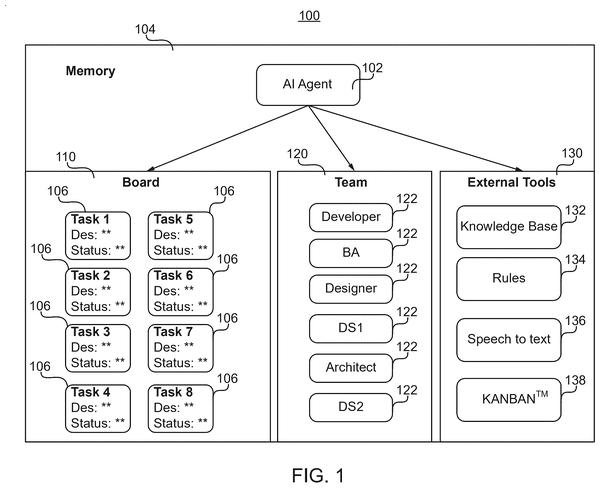
The drawings · 9 sheets
9 drawing sheets from US 2026/0361667 A1 · click any drawing to enlarge


Show the other 1 sheets

More from IBM
All 470 IBM patents →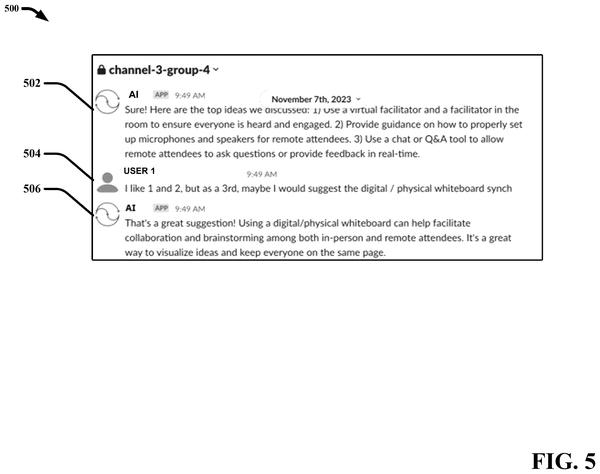
More in AI assistant & agent
All 413 AI assistant & agent patents →
Microsoft
Microsoft Files Patent for Storing Idle Chatbot Conversations on Lower-Cost Hardware
Google
Google Files Patent for a Chatbot Screen Where You Can Reopen Any Earlier Question
Salesforce
Salesforce Patents a Self-Teaching System for AI That Handles Back-and-Forth Conversations
Salesforce
No comments yet