
Nvidia Files Patent for Cars That Know When They're Towing a Trailer
Back up with a trailer hitched on, and your car's rear sensors see a big object inches away and sound the alarm. Nvidia's patent application describes a way for the car to recognize that object as something it's pulling.
What Nvidia's towing detection actually does
Every time you reverse with a trailer hitched on, your car's rear sensors see a big object right behind the bumper and treat it like a threat. The result can be a stream of beeps or, in cars with automatic braking, a sudden stop you never asked for.
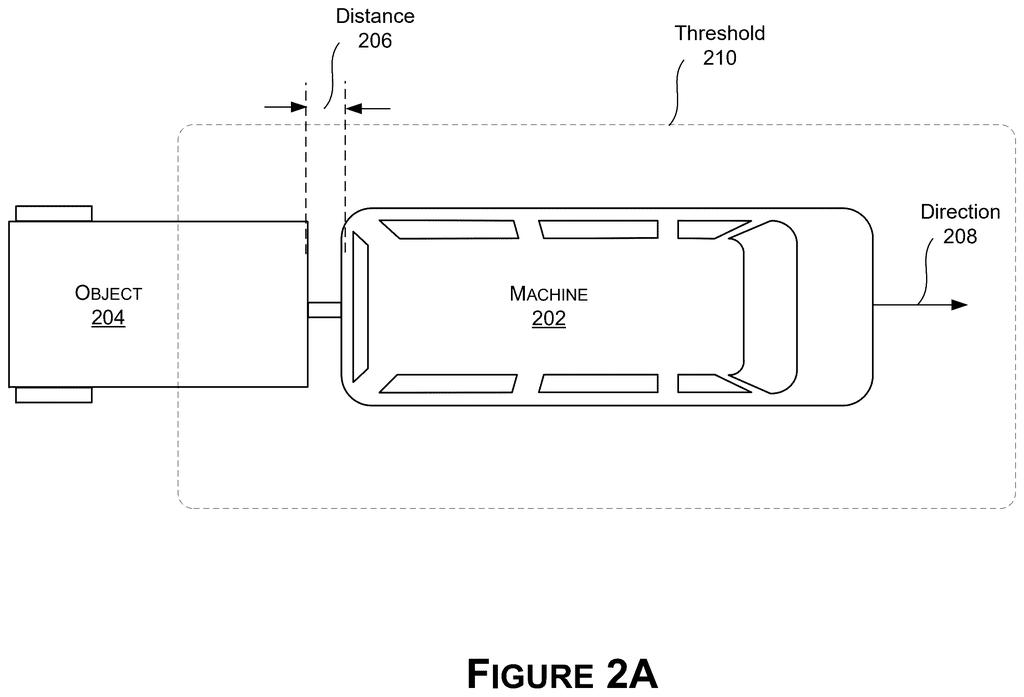
Nvidia's patent application describes a way for the car to work out that the object is being towed. It checks the distance to the object at different moments. A trailer stays about the same distance away whether you drive forward, reverse or turn. A pedestrian or another car does not.
Once the car is confident, it can silence the alerts and skip the automatic stop for that one object. Anything else behind you still gets the full warning treatment.
… determining, based at least on the first distance and the second distance, that the object is being towed by the machine; and performing one or more operations based at least on the object being towed by the machine.
Translation: The vehicle calculates changes in position over time to recognize a trailer and adjust its driving functions.
How the car checks that a trailer stays put
The system starts with sensors a modern car usually already has at the back: cameras, ultrasonic sensors, radar and LiDAR (a laser-based distance sensor). It measures the distance to a nearby object at one moment, then measures again a bit later. If the two readings are within a set threshold of each other, the object is probably attached to the car, since towed objects tend to stay a nearly constant distance away.
The filing describes several extra checks that can be combined:
- Direction of travel: the distance should stay about the same whether the car drives forward or in reverse.
- Classification: an image model labels what the object is. Trailer, bike, boat, camper, tank and tire count as things people tow; a pedestrian does not.
- Repeated checks: several distance readings are compared and their verdicts combined.
- Asking you: the car can ask by screen or voice, such as "Are you towing an object," and treat your answer as confirmation.
Once an object is judged towed, the car can silence proximity alerts and skip automatic braking for it. It keeps tracking every object, so if something else is within range and is not towed, the warnings and braking stay on. The threshold exists because a turning trailer swings its corners closer to and farther from the sensors. The description also covers slope changes, like reversing down a sloped driveway, where the road itself can look like an obstacle.
… such as when the object remains a substantially similar distance from the machine when moving and/or when the object includes one or more specific types of classifications.
Translation: It knows it is towing when something keeps pace with it and matches known trailer types.
Why fewer false alarms matter when you reverse
If you tow a trailer, a bike rack or a camper, this is about fewer pointless beeps and fewer surprise stops while backing up. It also relies on sensors the car already carries for collision warnings, so the filing describes no extra hardware for towing detection.
The bigger picture is trust. Driver-assistance features only help if people leave them switched on, and constant false alarms push drivers to turn them off. The same logic could apply to the robots and other machines the filing lists, such as warehouse vehicles. Nothing here says a product is coming; it is a description of an approach.
Nvidia's 86th filing we've tracked in our self-driving sensing race since May adds to a run that includes a move-preview patent and low-cost night vision.
Anyone who has hauled a trailer or used a bike rack knows the beeping. The problem is real but modest: a nuisance for most drivers, and a hazard only when a car slams on its brakes for a trailer that was never in danger.
The fix fits that size. Checking whether something stays the same distance away is a simple idea for a problem of this scale, and the option to ask the driver for confirmation adds a sensible safeguard.
The harder part is the cost of a mistake. If the car wrongly decides a pedestrian is a trailer, it mutes the one alarm that mattered, which is why the multi-object rule and the extra checks carry the weight here. How well they hold up on real roads is something a patent filing cannot show.
Get our take in your Top Stories
Liked this breakdown? Add Patentlyze as a preferred source on Google, and our plain-English take shows up more often in your Top Stories the next time Nvidia patent news breaks.
There are more where this came from
We read every patent application Big Tech publishes and send you the ones worth knowing. Plain English, free, every week.
The drawings
16 drawing sheets from US 2026/0307671 A1 · click any drawing to enlarge


Show the other 8 sheets


Want this weekly breakdown for a company we don't cover? Patentlyze Pro →
Be the first to weigh in